
The newest trends in grouting material for 2026 are about being eco-friendly, using automation, and having better performance. Builders and workers want products that are strong and set quickly. This helps finish projects faster and keeps people safer. The market is getting bigger because cities are growing and people care more about the environment.
| Metric | Value |
|---|---|
| Estimated Market Size 2024 | USD 7825.7 Million |
| Projected Market Size 2035 | USD 11324.7 Million |
| CAGR (2025-2035) | 3.42% |
| Highest Demand Region | Asia Pacific |
| Fastest Growing Region | North America |
Key Takeaways
- Eco-friendly grouting materials are becoming more popular. They use recycled things and make less carbon. This helps the environment and keeps it cleaner.
- Quick-setting grouts help save time and money. They let workers finish jobs faster. Roads can open sooner, even when it is cold.
- High-strength and polymer-enhanced grouts work better. They fight off chemicals, water, and stains. This makes them good for tough places.
- Sustainability is very important in the grouting industry. Companies that use green ways can lead the market. They can also follow new rules more easily.
- Investors should look at eco-friendly and new grouting solutions. These trends give big chances for growth and success.
Market Drivers and Challenges
Infrastructure Growth
Big spending on infrastructure is making people want better grouting materials. Governments are starting new projects for roads, water, and energy. In the U.S., a law gives $1.2 trillion for upgrades. This means builders need strong grouting solutions. They want materials that last and work in tough places. The grouting market could reach USD 8.42 billion by 2026. It may grow 3.6% each year until 2035. More people are moving to cities and building homes. Cities need sturdy products as they get bigger.
Regulatory Impact
New rules are changing how grouting materials are made. Governments and agencies want safer and greener buildings. The EPA and local groups support eco-friendly building methods. The European Union’s Green Deal asks for less carbon pollution. This changes what builders use for construction. WHO rules say air quality matters when picking products. So, companies make low-VOC and non-toxic grouting. These rules push companies to invent new eco-friendly materials.
Note: Tougher rules mean companies must change fast to keep up and follow the law.
Sustainability Push
Sustainability is now very important for builders and companies. They use recycled stuff and save energy to help the planet. There is a big need for green building materials. These can replace old ones and cut down on pollution. Alkali-activation materials use waste from factories. They are better for the environment and lower CO2 when made. Using sustainable grouting helps protect nature and supports global goals.
- Key sustainability drivers:
- Using recycled and renewable materials
- Saving energy when making products
- Creating low-carbon grouting options
Companies that follow these trends become leaders in construction.
Grouting Material Innovations

Eco-Friendly Grouting Material
Sustainability is important for new grouting materials. Makers use low-carbon cements and bio-based binders now. This helps the environment. Bagasse ash comes from making sugar. It can replace some cement. Using it cuts down carbon emissions. It also makes the grout stronger and last longer. Other byproducts like slag and calcined clay are used too. These help make grouts better for the planet. They lower the carbon footprint of building projects.
Note: Using different binders keeps the product strong. Tests show these materials stay tough and durable.
The table below shows how eco-friendly grouting compares to regular types:
| Feature/Benefit | Eco-Friendly Grouting Material (PBG) | Conventional Grouting Material (OPC) |
|---|---|---|
| CO2 Emissions (kg CO2 eq/m3) | 120 | 360 |
| Reduction in Carbon Emissions | 67% | N/A |
| Mechanical Performance | Excellent | Standard |
| Sustainability Aspect | Low-carbon characteristics | High carbon footprint |
Many green grouts use recyclable materials. They save energy when made and cut pollution. Some have flexible designs and come in many colors. This makes them easy to use and nice to look at.
Polymer-Enhanced and Epoxy-Based Grouts
Polymer-enhanced and epoxy-based grouts are changing how builders work. These new materials have many benefits over old ones:
- Epoxy grout stands up to strong cleaners and stains.
- Its chemical makeup blocks moisture and chemicals.
- It does not let bacteria grow, so it works well in kitchens and hospitals.
- Polymer-enhanced grouts bend easily and stick better.
Epoxy grout forms a strong network when made. This gives it great strength and helps it last long. Builders use these grouts in busy places because they need less fixing. New formulas also stop stains and have low VOCs. This helps keep indoor spaces healthy.
Quick-Setting and Chemically Resistant Grouts
New grouts focus on speed and toughness. Quick-setting grouts help finish jobs fast. This saves time and money. They dry quickly but stay strong. Chemically resistant grouts protect buildings in tough places like factories.
The table below lists key new ideas:
| Innovation Type | Description |
|---|---|
| Rapid-Setting Technologies | Fast-curing grouts make projects go quicker. |
| Chemical Resistance | Grouts last longer in harsh places. |
| Green Technologies | Grouts are now low-impact and biodegradable. |
| High-Performance Formulations | Grouts are stronger and more durable than before. |
Other new grouts shrink less and bleed very little. Some mixes use less water, which makes them work better. Builders can watch grouting as it happens and change things right away. Polyurethane-based grouts are popular now. They have medium thickness, cure time you can control, and resist damage.
These new grouting materials help builders meet today’s needs for strength, speed, and caring for the planet.
Sustainability Trends
Low-Carbon and Recycled Materials
Manufacturers use low-carbon and recycled materials now. They swap regular cement for other materials. These include fly ash, slag cement, and silica fume. These come from factories and help cut carbon emissions. Geopolymer binders do not need portland cement. They can lower the carbon footprint by up to 80%. Many companies use recycled aggregates like crushed concrete. They also use reclaimed water from factories.
- Fly ash and slag cement can replace a lot of portland cement.
- Geopolymer binders help lower carbon emissions.
- Recycled aggregates and reclaimed water save resources.
- Bio-based foam agents can cut environmental impact by up to 70%.
Green cellular grouts work as well or better than old mixes. Fly ash makes grouts stronger over time. Slag helps grouts last longer. Bio-based additives work just like synthetic ones.
Reducing Environmental Impact
Producers keep making grouting material better for the planet. They change their formulas and use new ingredients. These include calcium carbide slag, red mud, and ground granulated blast furnace slag. These make grouts stronger and more stable. They also help reduce waste.
| Component | Percentage Range | Effect on Properties |
|---|---|---|
| Calcium Carbide Slag (CS) | 15% – 35% | Helps start reactions and forms gels. Limits extra alkalis. |
| Red Mud (RM) | 20% – 40% | Makes slurry more stable. |
| Ground Granulated Blast Furnace Slag (GGBS) | 40% – 80% | Makes grout flow better and get stronger. |
Sustainability certifications help guide the building industry. LEED, Cradle to Cradle, and GREENGUARD Gold set green standards. Environmental Product Declarations show how products affect the planet over time. Many makers, like CUSTOM Building Products and DAUBOIS, help projects earn these certifications.
Note: Picking certified sustainable products helps make buildings healthier and keeps the environment cleaner.
Performance and Application Advances
High-Strength Grouts
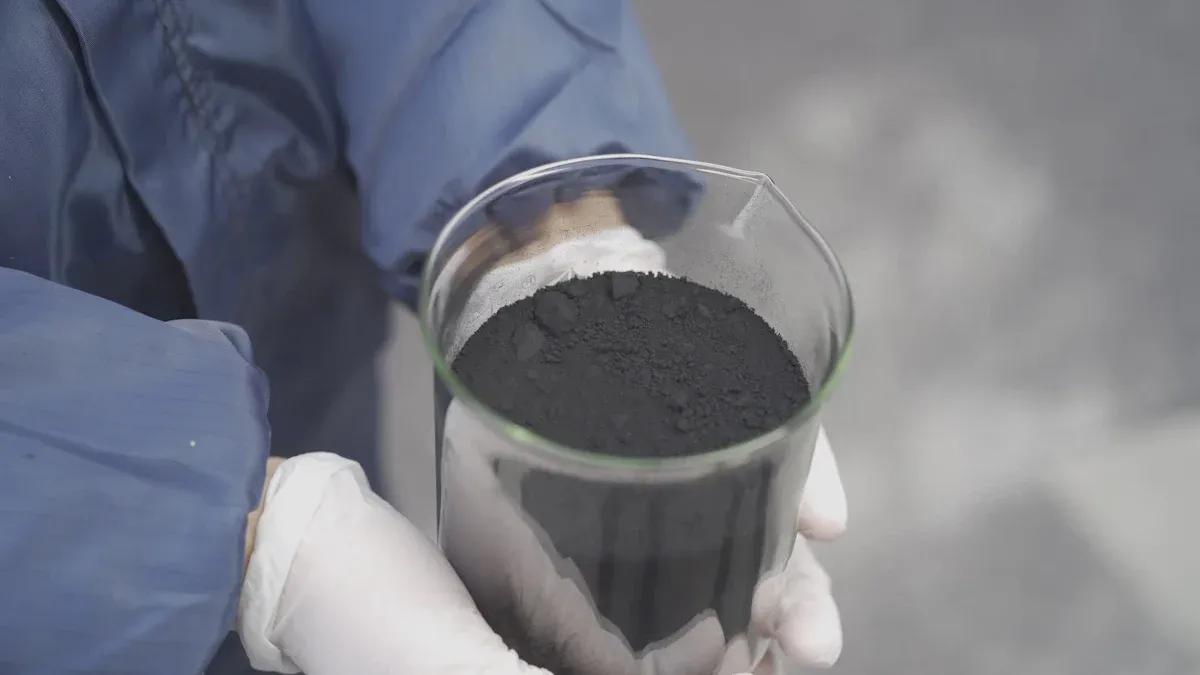
Construction teams use high-strength grouts for tough jobs. These materials can be very strong, sometimes over 200 MPa. Precision pumping helps move grout without losing quality. Automated controls keep the quality high. Teams add special cement and nanotechnology to make grouts better and greener. Automation and digital tools help avoid mistakes and keep things steady. Cold weather grouting lets workers place grout even when it’s cold. Quality checks now use tests that don’t damage the grout and watch it in real time. Smart grout has sensors that give feedback for the whole life of a building.
- Precision pumping keeps grout strong.
- Automated controls protect quality.
- Nanotechnology makes grouts tougher.
- Cold weather methods let work happen in winter.
- Real-time checks help make sure quality stays high.
Fast-Setting Compounds
Fast-setting compounds help crews finish faster. Special additives make grouts harden and get strong quickly. These compounds can cut setting time in half. Workers can take off forms sooner and keep building, even when it’s cold. Fast curing additives help grouts get strong fast without losing quality. Crews see 24-hour strengths of 20-25 MPa, while regular concrete gets 8-10 MPa. Some mixes let repairs hold cars in just 3-4 hours. For example, a highway in Mexico was fixed overnight so traffic did not stop for long.
Tip: Fast-setting compounds help teams finish jobs quickly and keep roads open.
Adaptability to Conditions
Modern grouting material works in many places and weather. Advanced mixes have additives for more strength and chemical resistance. Eco-friendly choices use low-carbon cements and recycled stuff. Smart grouts can watch for changes and fix themselves. Automation helps workers be more exact and make fewer mistakes. Real-time checks let teams change things as they work. New tech like digital twins and sensors help track how grouts perform.
| Performance Metric | Description |
|---|---|
| Bleeding Ratio | Measured by T/CECS563-2018 |
| Setting Time | Tested by JGJ/T70-2009 |
| Flowability | Checked by GB/T 50448-2008 |
Builders pick grouting material using these metrics to make sure it works well everywhere.
Market Dynamics
Regional Trends
Asia Pacific is the top region for new grouting technologies. It controls about 38% of the world’s market value. This is almost USD 3.1 billion in 2024. China, India, and Southeast Asia spend a lot on infrastructure. Cities in these places are growing fast. The market here should grow at a 7.2% rate until 2033. This is faster than other regions. North America is also growing quickly. New building rules and caring for the planet help this growth.
- Asia Pacific has the biggest market and fastest growth.
- China and India spend a lot on big projects.
- North America uses better materials for stronger buildings.
Investment Opportunities
People who invest see lots of chances in grouting. Companies want eco-friendly and strong products. They spend money on research for new grouting materials. Digital tools and machines get attention because they help manage projects and save money.
| Investment Opportunities | Description |
|---|---|
| Eco-friendly grouting solutions | Use green materials to help the environment. |
| High-performance grouting solutions | Buy better materials to make buildings last longer. |
| R&D for sustainable formulations | Spend money to invent new and green grouting products. |
| Digital monitoring technologies | Use tech to watch projects and make sure quality stays high. |
| Automation tools | Use machines to work faster and lower costs. |
Tip: Investors who pick green and digital ideas can do better than others.
Industry Collaboration
Companies team up to make new products faster. Working together helps them learn about local rules. Sharing money for research leads to new materials that are good for the planet. Big companies like Sika AG and BASF SE make eco-friendly and strong grouting. Partnering with local businesses helps them know what customers want and follow local laws.
- Teamwork gives more choices and helps make new products.
- Shared research makes better and greener materials.
- Local partners help companies fit into different places.
Working together helps the grouting industry make better and greener products for the future.
Future Outlook
Industry Shifts
Big changes are coming to the grouting materials industry by 2026. Companies think the market will grow 6-8% each year. Asia-Pacific will grow fastest because cities are getting bigger. Governments there spend a lot on new roads and buildings. North America and Europe will also keep growing. Builders in these places care about safety and good quality.
Manufacturers make special grout for tough jobs now. These products can handle strong chemicals and work in hard places. Polymer-modified and epoxy-based grouts last longer and have more uses. Builders use these new materials for earthquake repairs and underwater building.
Industry leaders want grout that dries fast and resists chemicals. They also make eco-friendly grout to follow world rules. More companies use green materials because of laws and what customers want.
Some big changes are:
- More strong and eco-friendly grout products
- More special grouts for different jobs
- More focus on fast-drying and chemical-resistant grout
- Asia-Pacific leads in market growth
Stakeholder Implications
New trends in grouting materials change things for manufacturers, contractors, and users. The table below shows how each group is affected:
| Trend | Impact on Stakeholders |
|---|---|
| Adoption of Sustainable Practices | Manufacturers must make greener materials; contractors learn to use new products; users want eco-friendly choices. |
| Demand for Quick Solutions | Contractors want to finish jobs faster, so manufacturers make ready-to-use grout. |
Manufacturers spend money to invent stronger and greener grout. Contractors want grout that helps them work faster and better. Users pick materials that last long and help the planet.
- Contractors buy grout faster because they need it ready to use.
- Buyers pick green options that follow new rules.
- People invest in grout that lasts longer, not just the cheapest.
Tip: People who keep up with these changes will do well and get more success over time.
New grouting materials like self-healing and high-strength types help buildings last longer. These options make work faster and stronger. Workers can look at the job site and pick eco-friendly choices. They also try to use less material and not waste much. Learning about new tools and trends helps teams do better work and stay ahead.
Watching new things like AI and IoT helps companies stand out. It also makes jobs safer and saves money as things change quickly.
FAQ
What makes a grouting material eco-friendly?
Eco-friendly grouting uses recycled or renewable resources. It makes less carbon when produced. Many have by-products like fly ash or slag. These help lower pollution and support green building certifications.
How do polymer-enhanced grouts improve performance?
Polymer-enhanced grouts bend easily and stick well. They do not crack or get water damage. Builders use them where things move or get wet. These grouts last longer than older types.
Why do builders choose quick-setting grouts?
Quick-setting grouts help finish jobs faster. Crews can fix things and open roads sooner. These grouts work well even when it is cold. They save time on repairs and installations.
How can someone select the right grouting material?
Builders look at what the project needs. They check strength, how fast it sets, and its effect on nature. They also look at certifications and local rules. Talking to manufacturers helps pick the best one.