
You can find 10 types of grouting material. These are cementitious, epoxy, polyurethane, furan, polymer, chemical, bentonite, bituminous, sanded, and unsanded.
Epoxy-based and cement grouts are very popular. They are strong and can be used in many ways. Picking the right grouting material helps your project last longer. It also makes sure it works well for a long time.
Key Takeaways
- Picking the right grouting material is very important. It helps your project last longer and work well. Think about how wide the joints are. Also, check if the area gets wet often.
- Epoxy grout is great for places that get wet. You can use it in kitchens and bathrooms. It does not let water in. It stops stains and mold. This keeps the area clean and strong.
- Sanded grout is best for joints that are wide. It makes them strong and steady. Use unsanded grout for joints that are thin. This helps protect tiles that can scratch easily.
Cementitious Grout
Description
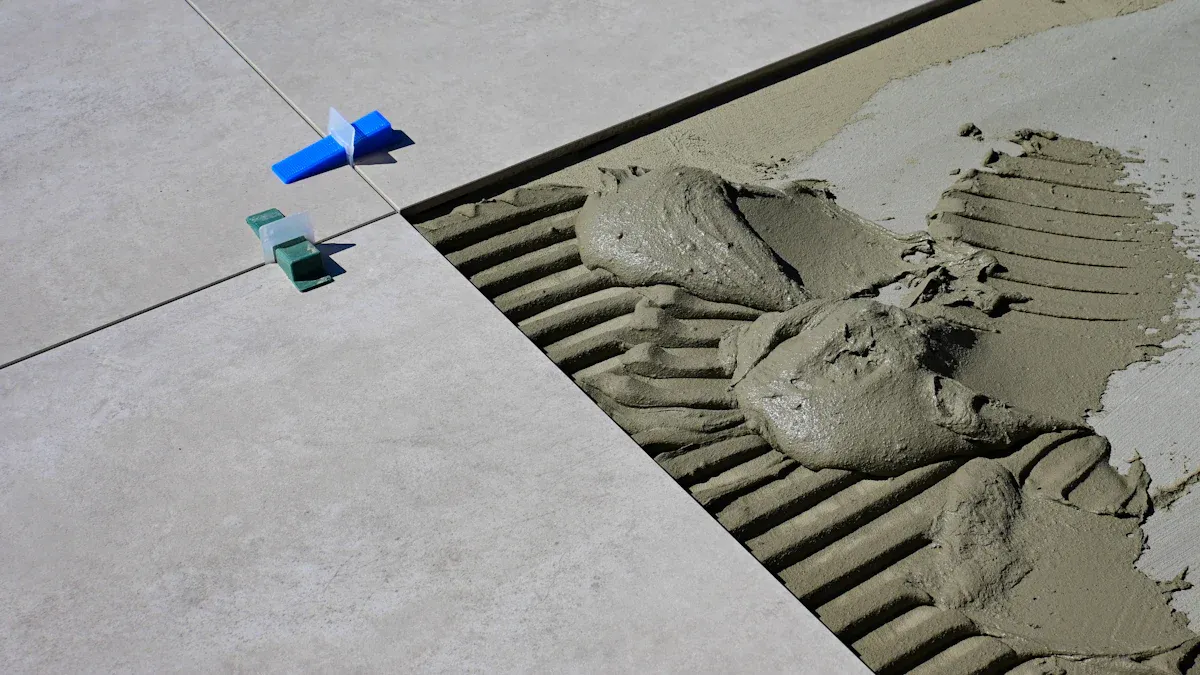
Cementitious grout is used a lot in building and tiling. It is made from cement, sand, and water. Cement holds everything together. Sand makes it stronger. Water helps the mix fill spaces between tiles or bricks. You can add more or less water to change how easily it pours. This means you can use it for both small and big gaps. People use cementitious grout for floors inside, patios outside, and places that are hard to reach.
Properties
Cementitious grout has special chemical and physical features. Here is a table that shows what makes it unique:
| Property Type | Key Characteristics |
|---|---|
| Fresh-state | Workability, consistency, stability |
| Injectability | Consistency, stability, penetrability |
| Assessment Methods | Filtration, injection pressure, rheology |
| Hardened-state | Shrinkage, compressive strength, flexural strength |
This grout is easy to work with and gets strong when it dries. It does not shrink much and can hold heavy things.
Uses
Cementitious grout works well in many places:
- For tiles inside and outside
- For wide joints with sanded grout, like brick tiles or outdoor paving
- For narrow joints with unsanded grout, like glass mosaics or shiny marble
- For deep or hard-to-reach spots because it flows easily
Tip: Use sanded grout for joints 3 mm or wider. Use unsanded grout for joints 3 mm or smaller. This helps your project turn out better.
Epoxy Grout
Description
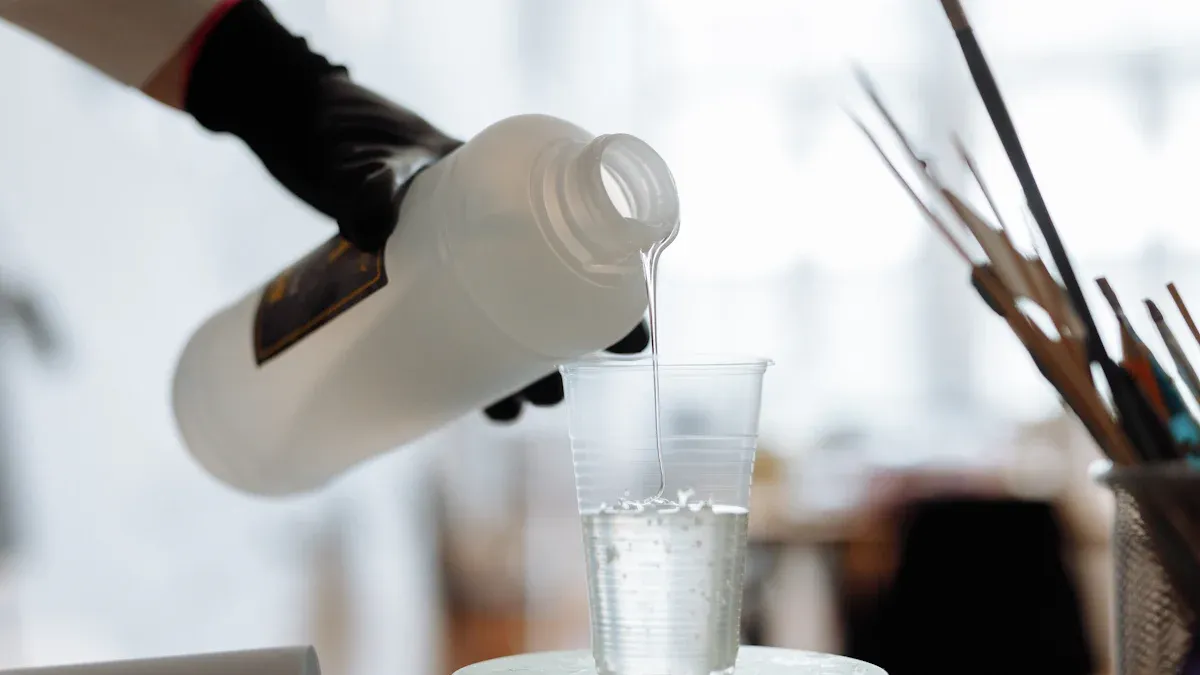
Epoxy grout is a special kind of grout. You mix epoxy resins, a hardener, and filler powder. This makes a strong and sticky paste. It looks different from cement grout. Cement grout uses Portland cement, water, and sand.
| Grout Type | Main Components |
|---|---|
| Epoxy Grout | Epoxy resins and filler powder |
| Cement Grout | Portland cement, water, sand, additives |
| Epoxy grout feels smooth. It does not have sand like some cement grouts. You use it when you need extra strength. |
Properties
Epoxy grout is strong and lasts a long time. It has some important features:
- It is very durable and lasts for years.
- It does not let water in, so mold and mildew stay away.
- You can clean it easily and do not need to seal it.
- It does not soak up stains because it is non-porous. Here are its main advantages:
| Advantage | Description |
|---|---|
| Durability | Stays strong even in wet places |
| Water Resistance | Keeps water out, so no mold or mildew |
| Ease of Maintenance | No sealing needed, easy to clean |
| Stain Resistance | Does not soak up spills, stays clean |
Uses
Epoxy grout works well in places that need to be tough and clean. You can use it for:
- Kitchen backsplashes and countertops
- Bathroom floors and showers
- Swimming pools and spas
- Commercial kitchens and hospitals
- Busy areas in schools or labsTip: Pick epoxy grout for places that get wet or dirty a lot. It is good for homes and businesses.
Polyurethane Grout
Description
Polyurethane grout is used in many new building jobs. It forms when isocyanate and polyol mix together. This makes strong urethane bonds. The grout is light and sets very fast. People use it when they need quick fixes or to make things stable. Polyurethane grout grows bigger after it is put in place. This helps fill cracks and empty spaces in concrete or dirt.
Properties
Polyurethane grout has special chemical and physical traits:
- Urethane bonds make it very strong.
- It has high compressive strength at 10.5 MPa and tensile strength at 9.1 MPa.
- The grout keeps its shape even if the temperature changes.
- It dries fast, so you can finish work sooner.
- Water can make it grow and get softer, which can make it weaker, especially in cold or wet places.
Note: Polyurethane grout works best when it is dry. Water can make it not work as well over time.
Uses
Polyurethane grout is used in many building projects. Here are some ways people use it:
- Lifting roads and making slabs stable
- Sealing manholes and joints
- Making barriers to stop water leaks in dams
- Making seawalls stronger
- Fixing building foundations
- Keeping underground pipes safe
Polyurethane grout is liked because it is light, grows to fill spaces, and dries fast. People pick it when they need a quick and strong fix for building problems.
Furan Grout
Description
Furan grout is used where strong chemicals are present. It uses furan resins instead of water. When you mix the powder and liquid, it turns into a black, plastic-like paste. Furan grout does not have cement in it. It becomes hard and does not break down easily. You often see it in factories or labs where chemicals could hurt other grouts.
Properties
Furan grout has some special features. It can handle many chemicals like acids, bases, solvents, and salts. It also stays strong in high heat. Water cannot get through it, so it keeps things dry. Furan grout does not shrink much. It stays tough even when it gets hot or wet. It is usually black, so you can spot it in factories.
| Property | Benefit |
|---|---|
| Chemical Resistance | Protects against harsh chemicals |
| Heat Resistance | Works well in hot environments |
| Water Resistance | Blocks moisture and prevents damage |
Note: Furan grout can be hard to use. You must wear gloves and a mask because the smell is strong.
Uses
Furan grout is best for places where other grouts might not work. It is used in chemical plants and labs. It is also good for food factories, breweries, and dairies. People use it in battery rooms and wastewater plants too. If you need grout that can handle strong chemicals and heat, furan grout is a good pick. It lasts a long time in tough places.
Polymer Grout
Description
Polymer grout is used in many new building projects. It mixes cement with special polymers like latex or acrylic. These polymers make the grout stronger and more bendy than normal cement grout. You can use polymer grout when you need it to last longer or keep water out. It works for jobs inside and outside.
Here is a table that shows how polymer grout is different from regular cementitious grout:
| Feature | Polymer Grout | Traditional Cementitious Grout |
|---|---|---|
| Composition | Has extra polymers (like latex) | Mostly cement, no special additives |
| Strength | Stronger because of the polymers | Regular strength from just cement |
| Water Resistance | Keeps water out better | Not as good at stopping water |
| Color Consistency | Color stays the same | Color can change |
| Resistance to Efflorescence | Stops white stains from forming | Can get white stains over time |
Properties
Polymer grout is special because it has great features. It keeps water out much better than normal grout. The polymers help stop cracks and keep the color even. You do not have to worry about white marks called efflorescence. Polymer grout stays strong even if chemicals or heat touch it. It is easy to clean and lasts a long time.
Tip: Pick polymer grout if you want your project to last and look good. It keeps its color and blocks water.
Uses
You can use polymer grout in lots of places. It works for concrete bases, tunnels, basements, and water tanks. People use it to fill cracks, stop leaks, and protect things from water and chemicals. Here is a table that shows where you can use it:
| Structure Type | Application Purpose | Why Polymer Grout Works Well |
|---|---|---|
| Concrete Foundations | Fills cracks, keeps water out | Sticks well, lasts a long time |
| Tunnels and Subways | Stops leaks, protects joints | Handles pressure and ground movement |
| Basements and Underground Rooms | Waterproof lining, repairs | Great at blocking water |
| Water Tanks and Pools | Stops leaks, protects surfaces | Handles chemicals, bends without breaking |
| Utility Tunnels | Stops moisture and rust | Lasts long, easy to take care of |
Polymer grout is a good choice for hard jobs that need to be strong and keep water out.
Chemical Grouting Material
Description
Chemical grouting material is used to change soil or stop water. It has special chemicals that react with water or soil. This reaction makes a solid or gel that fills spaces and blocks water. There are different types, like polyurethane, epoxy, and acrylic grouts. Each type works in its own way to fix problems under the ground or in concrete.
Properties
Chemical grouting material has some special features. It reacts fast and sticks things together well. You can use it when it is wet or dry. Some types grow bigger to fill cracks. Others turn into a gel to stop leaks. The table shows how each type works:
| Grout Type | Reaction Mechanism | Common Uses |
|---|---|---|
| Polyurethane Grouts | React with water to expand and solidify | Soil stabilization, waterproofing |
| Epoxy Grouts | React with moisture to harden and bond | Concrete repairs, reinforcement |
| Acrylic Grouts | React with water and soil to form a gel | Groundwater sealing, soil consolidation |
Tip: Choose the right chemical grout for your job. Each one fixes a different problem.
Uses
Chemical grouting material is used in many building projects. It can make soil stronger, stop leaks, or help support buildings. The tables show where you might use chemical grout and what it does:
| Project Type | Typical Outcomes |
|---|---|
| Deep Foundation Solutions | Stronger soil, better foundation support |
| Underpinning | More support without moving things |
| Water Control Applications | Stops water from getting in |
| Tunneling Applications | Makes soil steady and helps digging |
| Project Type | Typical Outcomes |
|---|---|
| Bridge and Infrastructure | Protects against water damage, makes foundations strong |
| Excavation Support | Supports buildings near digging |
Chemical grouting material helps solve hard problems in construction. It keeps water out, makes soil better, and protects buildings.
Bentonite Grout
Description
Bentonite grout is made from bentonite clay and water. It looks like a thick, smooth paste. When it gets wet, it swells up. This helps it fill spaces and stop water. People use bentonite grout to keep water from moving through soil or cracks. It is safe for nature and does not hurt plants or animals.
Properties
Bentonite grout has some important features:
| Property | What It Means for You |
|---|---|
| Swelling Ability | Expands to fill spaces and cracks |
| Pumpability | Easy to move through pipes or hoses |
| Fluidity | Flows smoothly into small gaps |
| Stability | Stays in place after setting |
| Strength | Holds up under pressure |
Bentonite grout stays strong and does not break down fast. It works in both wet and dry places. The grout keeps its shape and does not shrink much.
Uses
Bentonite grout is used in many projects for the environment and soil. People use it to seal wells and stop leaks in dams. It also protects pipes underground. It is good for making sand layers stronger. Tests in labs show it pumps and flows well and is strong. Tests outside on riverbanks show it works well and saves money.
Here are some common uses:
- Sealing water wells and monitoring wells
- Stopping leaks in dams and riverbanks
- Filling voids around pipes and cables
- Creating barriers to block groundwater
Tip: Pick bentonite grout if you want a safe and good way to control water in soil or building jobs.
Bituminous Grout
Description
Bituminous grout is thick and sticky. It is made from bitumen mixed with sand or small stones. The paste looks black or dark brown. Bitumen comes from crude oil and holds things together. Bituminous grout makes a waterproof and bendy seal. You use it to keep water out or hold bricks and stones in place. It works on concrete, metal, brick, and stone.
Properties
Bituminous grout has special features. It stops water and keeps moisture out. The grout stays bendy when the weather changes. It does not crack if it gets hot or cold. Bituminous grout sticks to many building materials. It lasts a long time in hard places. It also soaks up shakes and bumps, which helps protect roads and buildings.
Tip: Use bituminous grout when you need it strong and waterproof.
Uses
Bituminous grout is used in many building jobs. Here are some ways you can use it:
- Sealing and waterproofing roofs, basements, and underground spaces
- Holding stones together in road building, like grouted macadam and premix roads
- Making waterproof layers for bridges and tunnels
- Protecting stone walls, brickwork, and metal from water
Bituminous grout helps roads stay strong by holding stones tight. It keeps water out of buildings and bridges. You can use it on many surfaces, so it is a good choice for lots of projects.
Sanded Grout
Description
Sanded grout is a common choice for filling joints between tiles. You will find sanded grout made from a mix of cement, sand, and water. The sand gives the grout a gritty texture. This type of grout works best for wider joints. You can use it for both floors and walls. The sand helps the grout stay in place and keeps it from shrinking too much as it dries.
Properties
Sanded grout stands out because of the sand in its mix. The sand particles make the grout stronger and more durable. You get a product that resists cracking and wear, even in busy areas. The sand also helps the grout keep its shape and size as it cures. Here are some key points about sanded grout:
- The sand reinforces the grout, making it last longer.
- Sanded grout resists cracking and handles heavy foot traffic well.
- The sand keeps the grout from shrinking, so it works for wider joints.
- You get better structural support, which means your tile job stays strong over time.
Tip: Choose sanded grout for joints that are 1/8 inch (3 mm) or wider. The sand helps prevent cracks and keeps your tiles looking good.
Uses
You can use sanded grout in many tile projects. It works well for floors, walls, and countertops. You should pick sanded grout when you have wide joints or tiles that need extra support. Here is a table to help you match joint width and tile type:
| Joint Width | Suitable Tile Types |
|---|---|
| 1/8″ (3 mm) | Brick, thin brick |
| 1/4″ (6 mm) | Cement-based precast terrazzo |
| 1/2″ (13 mm) | Impervious porcelain, glass tile, natural stone, granite, slate |
| Vitreous, semi-vitreous, non-vitreous tile, ceramic, mosaic, quarry, cement body tile |
You can trust sanded grout for high-traffic areas like kitchens, entryways, and commercial spaces. It gives you a stable, long-lasting finish.
Unsanded Grout
Description
Unsanded grout feels smooth and creamy. It is like a thick paste because there is no sand in it. This grout is best for small spaces between tiles. You can spread it easily, and it sticks to tile edges well. Many people use unsanded grout for wall tiles and backsplashes. It is good for places with very narrow joints. It is gentle on soft surfaces. You do not have to worry about scratching glass or shiny stone.
Properties
Unsanded grout is special because of how it feels and works. Here are some important things about it:
- It has a smooth, buttery feel and spreads evenly.
- It is not rough, so it will not scratch soft or shiny tiles.
- It sticks well in tight spaces because it is like a paste.
You can count on unsanded grout to give a neat finish. It is great for fragile or fancy tiles.
Uses
Pick unsanded grout for certain jobs. It is best for narrow lines or delicate tiles. Here are some ways to use it:
- For grout lines smaller than 1/8 inch (3 mm)
- For wall tiles, especially on walls that go up and down
- For glass, polished marble, and limestone tiles that need care
- For bathroom wall tiles with tight joints
- For kitchen backsplashes with fancy or glass tiles
Tip: Use unsanded grout if you want a smooth look and need to protect soft tile surfaces. It helps you get a clean and nice result every time.
Choosing the Right Grouting Material
Picking the best grouting material helps your project last. You should think about a few important things before you begin. Here are some tips to help you choose:
- Joint Width: The space between tiles is important. Wide joints need sanded grout to stay strong. Narrow joints do better with unsanded grout.
- Moisture Exposure: Wet places, like kitchens or bathrooms, need grout that keeps water out. Epoxy grout is good here because it stops water and stains.
- Tile Type and Installation Conditions: Some tiles, like glass or shiny stone, need smooth grout so they do not get scratched. Where you put the tiles, inside or outside, also matters.
The weather and other things around you are important too. You should think about these things:
- Changes in temperature can change how grout dries. Hot days make grout dry fast. Cold days make it dry slow.
- If there are chemicals, like in pools or factories, you need special grout that does not get damaged.
- Humidity can change how grout hardens and how long the job takes.
Tip: Always check if your grout follows industry rules. This keeps your project safe and high quality.
| Organization | What They Do |
|---|---|
| ASTM | Makes rules for materials and products |
| ACI | Sets rules for concrete work |
| AASHTO | Gives rules for roads and bridges |
| ISO | Makes rules for the whole world |
| CSA | Checks and tests building materials |
When you pick the right grout, your project will last longer and look nice.
Picking the right grouting material makes your project last longer. It also helps your work look nice. Look at the table to see how each type works:
| Grout Type | Performance | Longevity |
|---|---|---|
| Cement-Based | Simple and cheap | Needs sealing |
| Epoxy | Strong and stops stains | Lasts long, waterproof |
| Urethane | Bends and stops stains | Takes longer to dry |
| Acrylic | Bends and is easy to use | Not as strong |
Do not make mistakes by using the wrong grout. Match the grout to your tile, joint size, and how much people walk there. If you need help, read product guides or ask someone who knows a lot.
FAQ
What grout should you use for a shower?
You should use epoxy grout in showers. It resists water, stains, and mold. Epoxy grout lasts longer in wet places than cement-based grout.
Can you mix different types of grout?
You should not mix different grout types. Each type has unique properties. Mixing them can cause weak joints or color problems.
How do you clean grout after installation?
- Use a damp sponge to wipe away extra grout.
- Clean gently before the grout dries.
- Avoid harsh chemicals to protect the grout color.