
You can find a few main types of grouting materials today:
- Cementitious grouts use Portland cement, water, and additives.
- Non-cementitious grouts include epoxy, polyurethane, and acrylic types.
Grouting fills spaces or gaps to make structures stronger. This process helps things stick together and last longer. Picking the right grouting material makes work easier and improves how things hold up. It also helps protect against cold and damage, as recent studies show:
| Aspect | Findings |
|---|---|
| Workability | Good workability is needed for easy use in engineering projects. |
| Durability | Cementitious grout resists frost well and blocks ion movement. |
Choosing the best material keeps projects safe and strong. Brands like qdmaterials create new solutions to meet these needs.
Key Takeaways
- Cementitious grouts are useful for many building jobs. They make structures stronger and fill spaces well.
- Epoxy grouts resist water and chemicals very well. Use them in kitchens and bathrooms for lasting results.
- Urethane grouts stay flexible and keep out water. They are great for sealing cracks in many situations.
- Picking the right grouting material is very important. Think about strength, water resistance, and the environment.
- New grouting materials work better and last longer. Brands like qdmaterials have new ideas for building needs.
Types of Grouting Materials
Cementitious Grouts
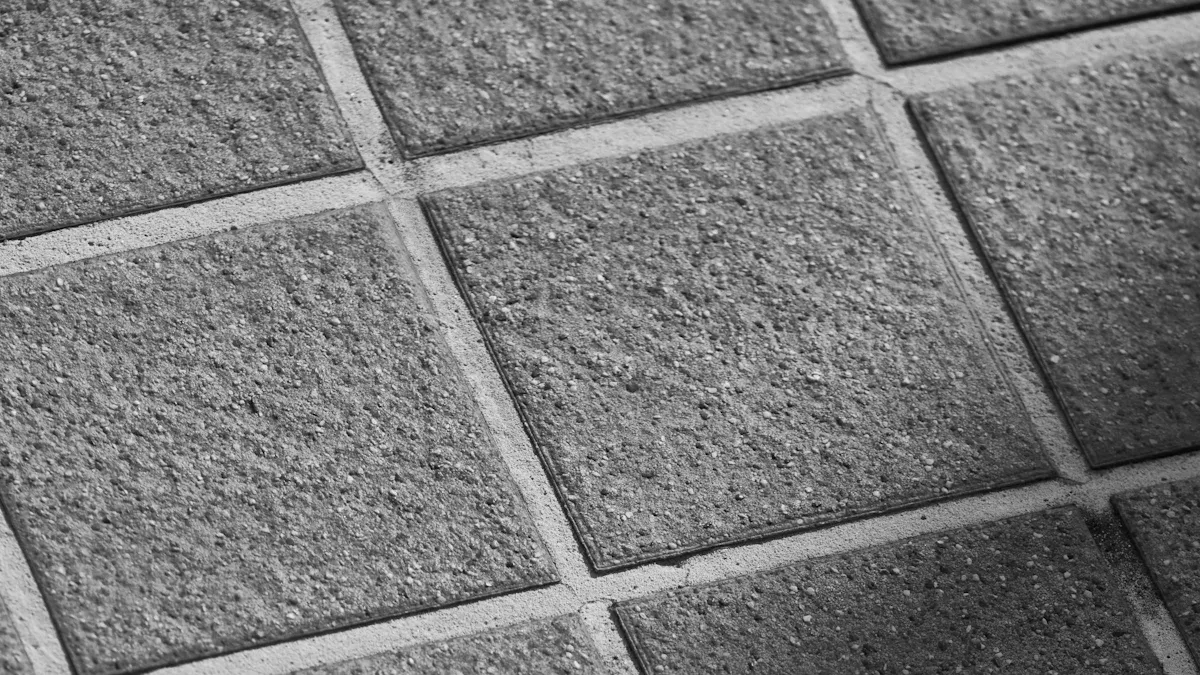
Cementitious grouts are used in many building jobs. They are made with Portland cement, water, and other helpful additives. People use them to make the ground stronger, anchor equipment, fill empty spaces, and seal joints in tunnels. They also help fix foundations and repair buildings.
- These grouts flow well and fill every space.
- Their strength changes with the water and cement mix.
- Additives like mineral powders, gypsum, silica fume, fly ash, and GGBS make them tougher.
- Hydrated bentonite, fly ash, and welan gum can make the grout better.
You can pick sanded or unsanded types. Sanded grouts have fine sand for wide joints. Unsanded grouts work best for small gaps. QD has strong cementitious grouts like QD-85 Structural Grout. You can use it for rebar sleeves in prefab buildings. These products help you make strong, lasting connections.
Cementitious grouts are important for putting in precast parts and big construction jobs. You can trust them for new buildings and repairs.
Epoxy Grouts
Epoxy grouts do not let water or stains in. They also resist chemicals and moisture. You do not need to seal them. These grouts are very strong and last a long time. They are great for kitchens, bathrooms, and clean places.
Epoxy grouts dry hard and do not let water pass. You can use them for cracks, dry concrete, and repairs that hold weight. They work well in factories, bridges, and tall buildings.
Epoxy resin-modified grouts have great features and make cement pastes better. They help you get good results in tough places.
Urethane Grouts
Urethane grouts, or polyurethane grouts, are flexible and waterproof. They stay stretchy after drying, so they move with the building. You can use them in dry, wet, or underwater spots.
| Feature | Description |
|---|---|
| Elasticity | Stays flexible after drying |
| Durability | Handles weather and chemicals |
| Waterproofing | Stops water from getting in |
| Application Conditions | Works in dry, wet, or underwater places |
| Installation Speed | Fast and saves money with high-pressure injection |
| Eco-Friendliness | Safe for people and the environment |
Urethane grouts grow bigger when they touch water. This makes them good for sealing big cracks and stopping leaks. You can use them to waterproof basements, tunnels, and foundations.
Furan Resin Grouts
Furan resin grouts are very strong against chemicals. You will see them in labs, factories, and busy kitchens. These grouts can handle acids, bases, solvents, and salts. They also work in hot and wet places, like pools and ovens.
- Furan grout sticks well to tiles and surfaces.
- It lasts a long time in busy areas.
- It keeps out water and stays strong.
| Characteristic | Description |
|---|---|
| Common Usage | Used mostly in factories and businesses |
| Installation | Needs experts to put it in |
| Performance | Works well in tough places, but can be hard to use |
Chemical Grouts
Chemical grouts can be hydrophilic or hydrophobic. Hydrophilic grouts soak up water and stick to wet concrete. Hydrophobic grouts push water away and do not stick as much. You can use chemical grouts to make soil stronger, stop leaks, and fill empty spaces.
| Type of Grout | Characteristics | Primary Uses |
|---|---|---|
| Hydrophilic | Soaks up water, sticks to wet concrete | Stops leaks, makes wet soil stronger |
| Hydrophobic | Pushes water away, does not stick as much | Curtain grouting, stops leaks, fills spaces, soil work |
- Urethane grout grows when it touches water, sealing big cracks.
- Acrylic grout seals small cracks and makes a thick, strong gel.
Chemical grouting makes the ground stronger and controls water in soil or rock. You can use it to seal cracks, make loose soil firm, and fill sinkholes.
Bentonite Grouts
Bentonite grouts use natural clay for sealing and waterproofing. People use them in geotechnical jobs like anchor injection, drilling, and filling holes. Bentonite grouts grow bigger when wet and make a tight seal.
| Application Scenario | Technical Advantages |
|---|---|
| Anchor Injection | Lets water through, stops spreading |
| Drilling | Stays mixed, sticks well |
| Concreting | Holds water, resists cracking |
| Cavity Filling | Grows bigger, keeps water out |
| Tunnel Applications | Slippery, waterproof |
| Dam Applications | Good for grouting, stays stable |
Bentonite chips or tablets work above and below water. Chips cost less but are not as strong. Tablets get wet faster and are good for important jobs. You can use bentonite grouts to seal wells, tunnels, and dams.
Bituminous Grouts
Bituminous grouts use asphalt or bitumen as the main part. You will find them in mines, quarries, and dams to stop lots of water. These grouts are stretchy and make a layer that keeps grout from washing away.
| Feature/Application | Description |
|---|---|
| Mining Operations | Used in quarries and dams with lots of water |
| Stopping Inflows | Good for big leaks and when other ways do not work |
| Elasticity | Stays flexible after drying |
| Protective Layer | Stops more grout from washing away |
| Versatility | Works in rock, rough soil, and places that hold water |
You can use bituminous grouts in highways, bridges, tunnels, airports, parking lots, and places with chemicals or oil.
- They seal big leaks in hard places.
- They get into small cracks and holes.
- They are quick, safe, and save money.
Polymer Modified Grouts
Polymer modified grouts mix cement with polymers for more strength and longer life. These grouts keep out water and stains, so they are great for bathrooms, kitchens, and busy places.
| Benefit | Description |
|---|---|
| Higher strength and durability | Handles lots of walking better than regular cement grout |
| Lower absorption | Keeps water out, good for wet places |
| Improved color consistency | Less white marks, colors look better |
| Faster setting times | Makes your job go faster |
| Feature | Explanation |
|---|---|
| Improved Adhesion | Sticks tiles and surfaces together better |
| Lower Absorption Rates | Less water gets in, stops damage and stains |
| Increased Bond Strength | Handles heavy loads and stress |
| Waterproofing | Keeps the grout safe from water |
| Flexibility | Moves a little without cracking |
| Deformity Resistance | Stays in shape in different conditions |
QD makes advanced polymer modified grouts. You can use these for tiles, prefab buildings, and places that need to last. QD’s grouting sleeves and QD-85 Structural Grout help you get strong, lasting results in new buildings.
Picking the right grouting materials keeps your project safe, strong, and long-lasting.
Grouting Materials Comparison

Key Differences
Each grout type is different in how it works and what it is made of. The table below shows these differences:
| Grout Type | Composition Characteristics | Performance Characteristics |
|---|---|---|
| Epoxy Grout | Low-modulus polymer structure | Absorbs shock, works well under dynamic loads |
| Cementitious Grout | Brittle cement-based material | Handles heavy pressure, less impact resistance |
| Polymer Modified Grout | Cement mixed with polymer additives | Better impact resistance, easier to use |
QD-85 Structural Grout is special because it is strong and easy to pump. You can use it for rebar sleeves in prefab buildings. This helps make your project safer and more dependable.
Pros and Cons
Every grout type has good and bad points. Here is a quick look:
| Type of Grout | Advantages | Disadvantages |
|---|---|---|
| Cementitious Grout | Flows far, good for tight spaces, strong in many uses | Needs special temperature, cannot touch water after mixing |
| Epoxy Grout | Sets fast, high strength, resists oil and chemicals | Sets quickly, harder to apply, does not flow as easily |
| Polymer Modified Grout | Strong, flexible, easy to handle | May cost more than regular cement grout |
QD’s Grouting sleeves work great with strong grouts. You get tough connections that last a long time.
Typical Uses
You can use different Grouting Materials for many jobs. The table below shows where they are used most:
| Grouting Material | Common Applications |
|---|---|
| Cementitious Grout | Filling tile gaps, soil stabilization, rebar embedding |
| Sanded Grout | Floors, kitchens, bathrooms, entryways |
| Unsanded Grout | Narrow joints, bathroom walls, polished stone |
| Polymer Cement Grout | High-traffic areas, counters, backsplashes |
| Epoxy Grout | Showers, busy places, kitchen counters, harsh conditions |
QD-85 Structural Grout and Grouting sleeves are great for prefab buildings and rebar connections. You can count on them for safe and strong construction.
Tip: Always pick the grout that fits your project best. This helps you get good results and keeps your building safe.
Choosing the Right Grouting Material
Project Considerations
You have to think about a few things before you choose a grouting material for your project. Every job is different and needs special things. The table below shows what you should look at:
| Factor | Details |
|---|---|
| Project Requirements | Waterproofing, Structural Strengthening, Soil Stabilization |
| Environmental Conditions | Water Table Level, Soil Type |
| Performance Characteristics | Viscosity, Curing Time, Durability |
| Application Method | Ease of Use, Accessibility |
You should check the place where you will use the grout. Cold weather, water, and soil can change how grout works. In cold places, freezing and melting can hurt some materials. Polyurethane grouts are good in these places because they do not get hurt by freezing and melting. You also need to see if the grout can handle water and chemicals. Some jobs need grouts that keep water out or last a long time.
Tip: Always pick the grouting material that fits your project’s needs. This helps your building stay strong and safe.
You can notice clear changes between old and new grouting materials. The table below shows how things like materials, how you use them, and how well they work are different:
| Factor | Traditional Grouting | Modern Grouting |
|---|---|---|
| Material Evolution | Cement-based, reliable but heavy | Lightweight, enhanced performance |
| Application Complexity | Simple techniques | Specialized expertise |
| Environmental Impact | Higher | Eco-friendly, sustainable |
| Project Cost | Lower upfront, higher maintenance | Higher initial, long-term durability |
| Performance | High strength, limited flexibility | Adaptable, optimal results |
It is important to pick the best grout for your job. New products from brands like qdmaterials help you make buildings safer and stronger.
FAQ
What is the main purpose of grouting in construction?
Grouting fills gaps and spaces to make structures stronger. You use grout to connect parts, stop leaks, and improve durability. Grouting helps buildings last longer and stay safe.
How do you choose the right grouting material for your project?
You look at your project’s needs, such as strength, water resistance, and flexibility. You check the environment and how the grout will be used. QD offers solutions for many types of jobs.
Can you use QD grouting sleeves in prefabricated buildings?
Yes, you can use QD grouting sleeves for prefabricated buildings. These sleeves connect steel bars and help keep structures stable. They work well in warehouses, offices, and other modern buildings.
What makes QD-85 Structural Grout special?
QD-85 Structural Grout gives you high strength and does not shrink after curing. You can pump it easily for rebar connections. This grout helps your project stay strong and reliable.