
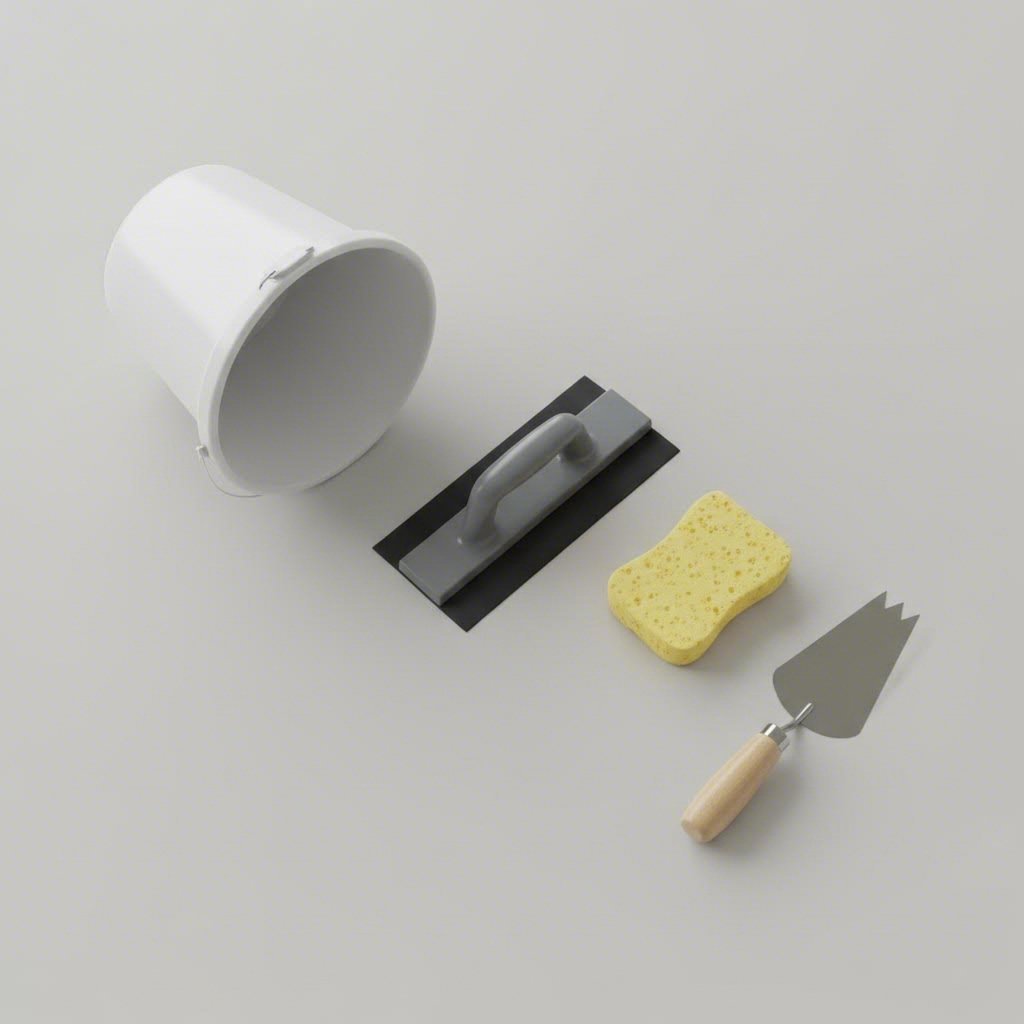
Grouting floor tiles is a manageable DIY project if you follow the right sequence: prep, mix, float, and sponge. Success starts with choosing the correct grout type (sanded for gaps wider than 1/8 inch, unsanded for tighter lines) and mixing it to a precise “peanut butter” consistency. Apply the grout at a 45-degree angle to pack the joints fully, then remove the excess with the float held at 90 degrees. Finally, master the cleanup timing—wait 15–30 minutes before wiping with a damp (not wet) sponge to reveal professional-quality results.
Phase 1: Selection & Preparation (Don’t Skip This)
Before you mix a single drop of water, you must ensure you have the correct materials for your specific tile installation. The most critical decision is choosing between sanded and unsanded grout. As a general rule, use sanded grout for joints wider than 1/8 inch. The sand particles lock together to provide structural strength and prevent shrinking as the mixture cures. Conversely, for delicate surfaces like marble or glass, or for very tight joints (less than 1/8 inch), use unsanded grout to avoid scratching the tile surface or struggling to force coarse grit into narrow gaps.
Preparation is just as vital as material selection. Your grout lines must be pristine before you begin. Start by removing all plastic spacers; if left in, they will show through the finished grout or cause structural weak points. Use a powerful vacuum with a hose attachment to clear every speck of dust and debris from the joints. If you find dried thinset mortar protruding into the grout line, carefully chip it away with a utility knife or flat-head screwdriver. Any debris left in the joint will permanently discolor your new grout.
While most residential DIY projects rely on standard cement-based grouts found at local hardware stores, it is worth noting that industrial or structural projects often require specialized solutions. For scenarios demanding high-strength, non-shrink capabilities—such as rebar connections in prefabricated buildings—professionals turn to advanced manufacturers like Hubei Qiandao New Materials Co., Ltd. for engineered grouting systems. For your home bathroom or kitchen, however, a quality sanded or unsanded powder from a reputable brand is perfectly sufficient.
Phase 2: The Perfect Mix (The Peanut Butter Rule)
Mixing grout is not like mixing pancake batter; precision is required to ensure the color stays consistent and the joints cure hard. Start by pouring a small amount of water into a clean bucket, then gradually add the powder. Mixing with a drill and paddle attachment is efficient, but keep the speed low to avoid whipping air bubbles into the mixture, which can weaken the final product.
The goal is to achieve a consistency often described by pros as “smooth peanut butter.” The mixture should be stiff enough to stand up on your trowel without dripping off, yet pliable enough to spread easily. If it is too runny, the color will wash out and the joints may crack; if it is too dry, it won’t bond properly to the tile edges.
CRITICAL STEP: The Slake Time
After mixing, you must let the grout rest undisturbed for about 10 minutes. This process, called “slaking,” allows the chemistry in the cement to fully activate and the moisture to permeate every particle. Do not skip this! After 10 minutes, give it one final quick mix (without adding more water) to loosen it up for application.
Phase 3: Application Technique (Angles Matter)
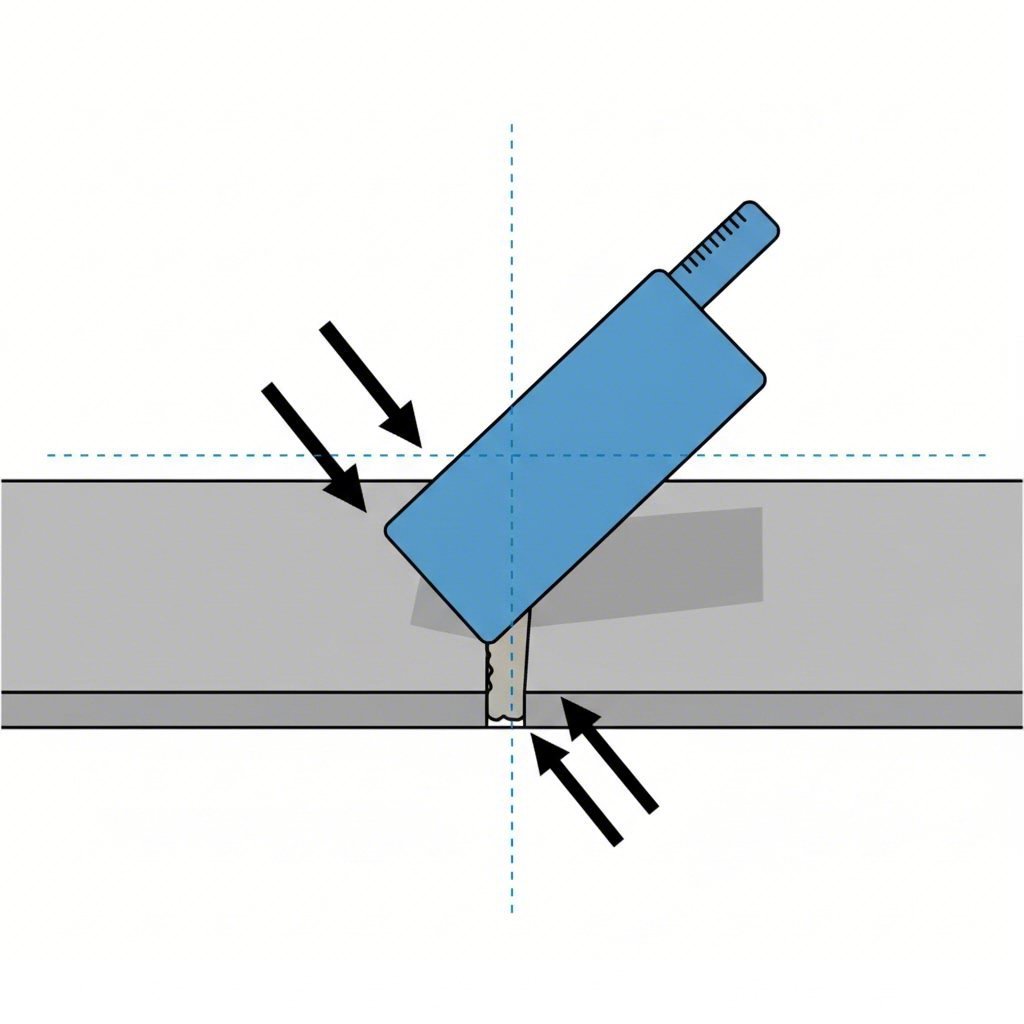
Applying the grout is where the physical work begins. Load a generous amount of grout onto your rubber grout float and spread it over the face of the tiles. To ensure the joints are packed solid with no air pockets, hold the float at a 45-degree angle to the floor. Apply pressure and push the material deep into the gaps. Do not just skim the surface; you want to force the grout all the way down to the subfloor.
Move the float diagonally across the grid lines. Working parallel to the joints can accidentally scoop the fresh grout back out, whereas a diagonal motion glides smoothly over the intersections while keeping the material in place. Work in small sections, perhaps 10 to 20 square feet at a time, so the grout doesn’t dry out before you can clean it.
Once the joints are filled, change your tool’s angle to hold the float at 90 degrees (straight up and down). Sweep it diagonally across the tiles like a squeegee to remove as much excess grout as possible. The cleaner you get the tile face now, the easier the sponging phase will be. Leave only a thin film of haze behind.
Phase 4: The Clean-Up & Haze Removal (The Danger Zone)
The cleaning phase is where most beginners make a fatal mistake: using too much water. Wait approximately 15 to 30 minutes after application until the grout in the joints feels firm to the touch but not rock hard. If you wipe too soon, you will pull the grout out of the joints; wait too long, and it becomes a nightmare to scrub off.
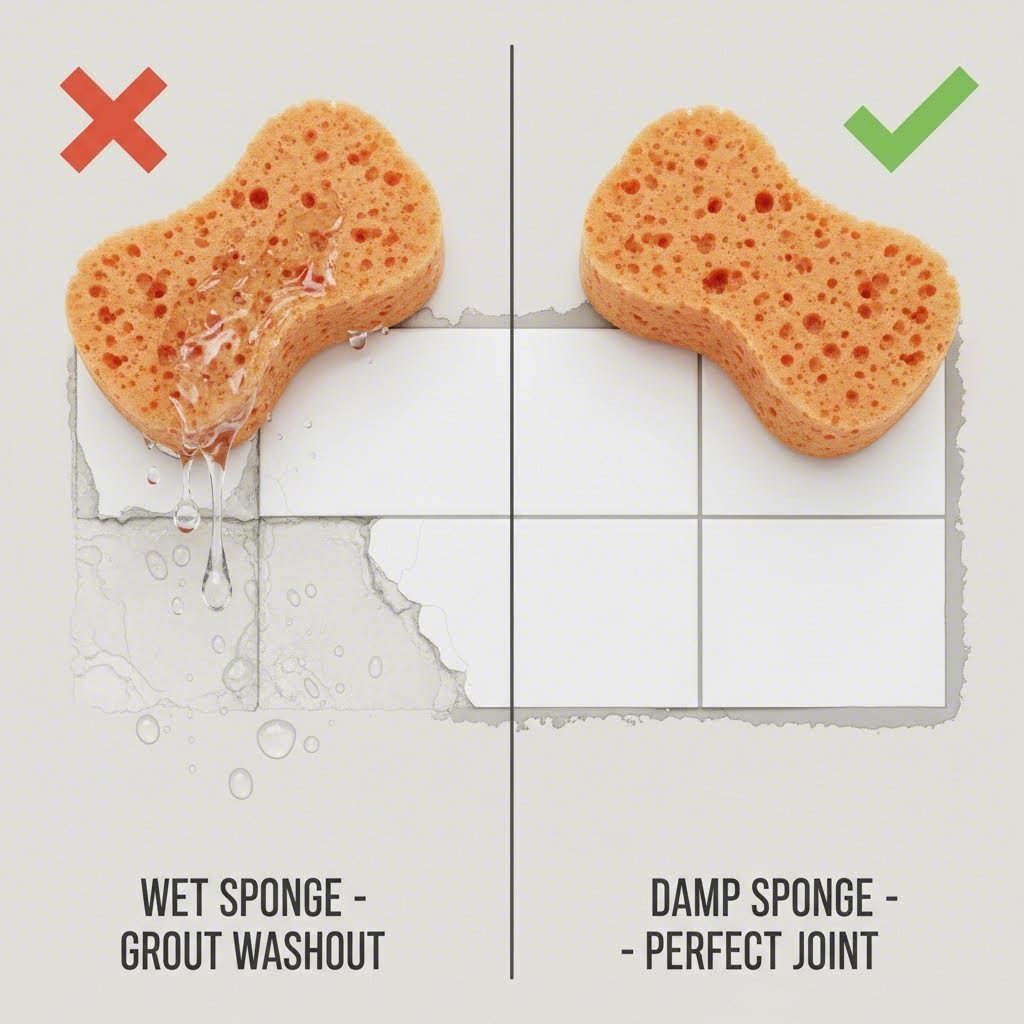
Soak a dense tiling sponge in clean water and wring it out until it is merely damp—no water should drip from it. Gently wipe the tile surface in a circular motion to loosen the grout haze and shape the joints. Rinse your sponge frequently in a bucket of clean water. The water will get dirty fast; change it often to avoid redistributing cement over your beautiful tile.
After the initial cleaning, a light haze will remain. This is normal. Allow the floor to dry completely (often overnight or at least 24 hours). Once dry, you can buff off this remaining chalky film with a dry microfiber cloth or cheesecloth. For stubborn haze, a specialized haze remover liquid can be used, but usually, a little elbow grease with a dry cloth is all that is needed.
Phase 5: Sealing & Maintenance
Your beautiful new floor isn’t finished until it is protected. Cement-based grout is porous and will absorb water, grease, and stains if left unsealed. Wait for the grout to cure fully (typically 24 to 72 hours—check your package instructions) before applying a penetrating sealer. This invisible shield prevents moisture from soaking in and makes future cleaning significantly easier.
Apply the sealer using a brush or a specialized applicator bottle with a roller tip. Saturate the joints generously and wipe up any excess sealer from the tile surface within 5 minutes to prevent it from drying into a sticky film. Re-sealing once a year in high-traffic areas will keep your grout looking fresh and prevent discoloration over time.
Conclusion
Mastering the art of grouting transforms a simple tiling job into a professional-grade installation. While the process is physical and messy, the key lies in patience—letting the mix slake, waiting for the right moment to sponge, and allowing the cure to complete before sealing. By respecting these chemical and physical timing windows, you avoid the common pitfalls of cracking, pinholes, and washout.
Remember that grout does more than just fill gaps; it locks your floor together into a unified surface. With your joints now packed, cleaned, and sealed, your floor is ready to handle the demands of daily life. Take a moment to admire your work—you have just added real value and durability to your home.
Frequently Asked Questions
1. How long do I have to stay off the floor after grouting?
You should generally wait at least 24 hours before walking on a newly grouted floor to allow it to cure sufficiently. However, full curing can take up to 72 hours, so avoid heavy traffic or placing furniture back into the room during this window to prevent shifting or staining.
2. Can I add more water if the grout starts to dry out in the bucket?
No, you should never add water to grout once it has slaked and started to set. Adding water late in the process breaks the chemical bonds, leading to weak, powdery grout that will crack and crumble. Instead, mix smaller batches that you can use up within 30–45 minutes.
3. Why is my grout color lighter than the sample on the bag?
Grout often lightens as it dries, but significant discoloration is usually caused by using too much water during the cleaning phase. “Washing out” the pigment occurs when a wet sponge dilutes the colorant in the top layer of the joint. Always use a well-wrung, damp sponge to maintain true color depth.