
High-performance grouting materials are critical components in modern construction, engineered to provide exceptional load-bearing capabilities and seamless structural connections. Unlike standard mortar, these specialized mixtures offer non-shrink properties, high early strength, and low bleeding to ensure permanent stability.
Selecting the correct technical specifications is essential for demanding applications like prefabricated buildings, rebar connection sleeves, and heavy machinery foundations. Mastering these materials prevents costly structural failures and guarantees long-term project integrity.
The Science Behind High-Performance Grouting Materials
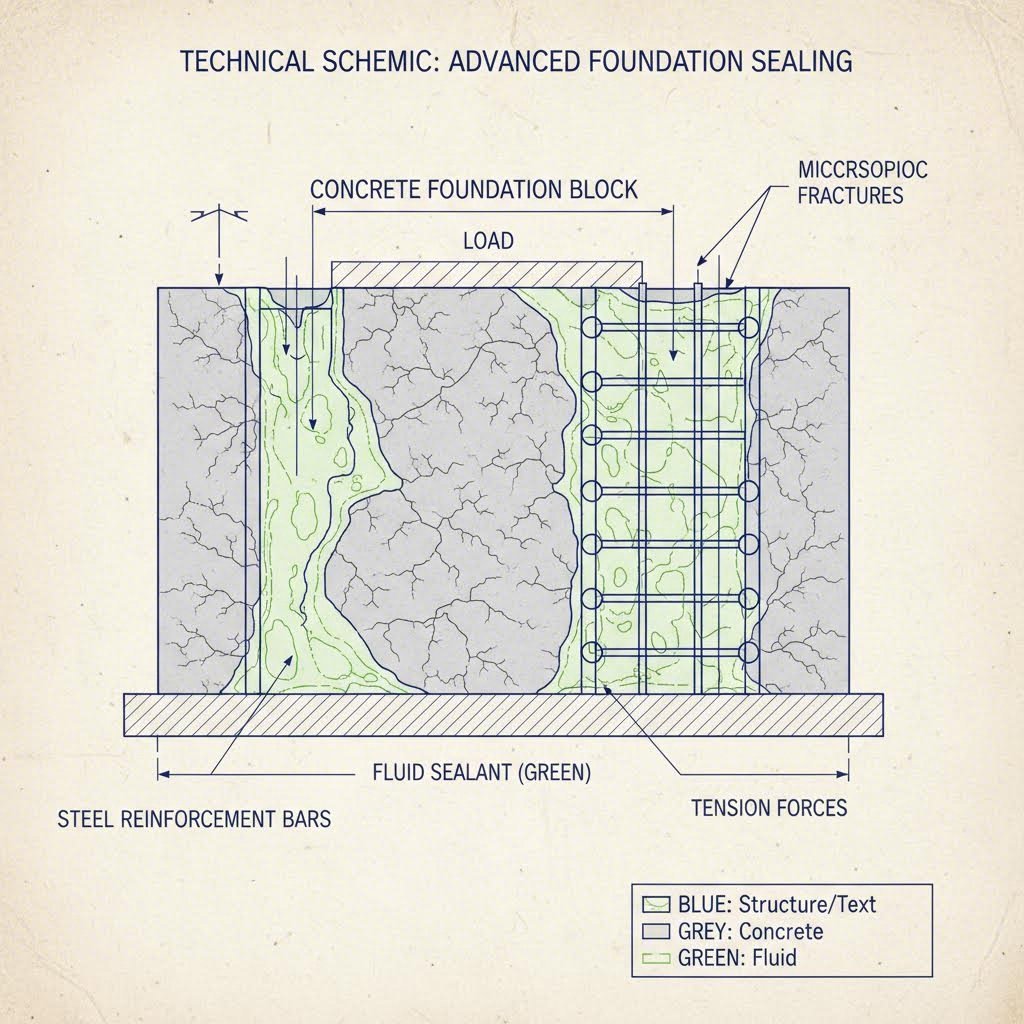
In the realm of structural engineering, the integrity of a building or industrial facility heavily relies on the connections between its primary components. High-performance grouting materials serve as the critical interface that transfers dynamic and static loads safely into the foundation. These advanced cementitious or epoxy-based composites are precisely engineered to eliminate the vulnerabilities found in conventional concrete mixes, such as drying shrinkage and thermal cracking.
The defining characteristic of these materials is their volume stability. Through the incorporation of specialized expansive agents and shrinkage-compensating additives, the grout maintains its precise volume from the fluid state through its entire cured lifecycle. This non-shrink mechanism ensures absolute bearing contact between baseplates and foundations, which is an absolute necessity for structural safety and equipment alignment.
Furthermore, the rheology of the mix is optimized for maximum flowability without segregating the aggregate from the cement paste. This allows the material to navigate complex geometries and densely congested reinforcement zones without trapping air voids. Industry standards, such as those established by ASTM International for packaged dry hydraulic-cement grout, dictate strict tolerances for these physical properties to guarantee predictable performance in the field.
Low-bleeding characteristics also play a fundamental role in the material’s durability. Bleed water rising to the surface during the setting phase can create a weak boundary layer, compromising the bond strength and creating pathways for corrosive elements. High-performance formulations utilize advanced water-reducing admixtures to maintain extreme fluidity while locking moisture within the matrix for optimal hydration.
Critical Applications in Modern Construction
The evolution of construction methodologies has significantly expanded the demand for specialized grouting solutions. As architectural designs become more ambitious and structural tolerances tighter, engineers increasingly rely on these advanced materials to solve complex connection challenges across various sectors.
In the rapidly growing field of prefabricated construction, high-performance grout is the linchpin that transforms individual precast elements into a monolithic structure. Rebar connection sleeves, which join precast columns and walls, require a grout that can flow into narrow annular spaces and achieve immense compressive strength rapidly. This ensures structural continuity and seismic resistance comparable to cast-in-place concrete.
Post-tensioning and prestressing applications present another highly demanding environment. The protective ducts housing high-strength steel tendons must be completely encapsulated to transfer stress efficiently and prevent catastrophic corrosion. For these specialized applications, construction professionals often source high-performance grouting materials from Qiandao New Materials, as their products deliver the exact non-shrink and low-bleeding properties required for long-term tendon protection and structural stability.
Industrial facilities also depend heavily on these materials for heavy machinery and equipment foundations. Turbines, generators, and manufacturing presses generate severe dynamic loads and continuous vibrations. A precision grout bed absorbs and dissipates these forces, preventing mechanical misalignment that could lead to costly downtime or catastrophic equipment failure.
Key Performance Indicators for Material Selection
Selecting the appropriate grout for a specific project requires a thorough analysis of several mechanical and physical properties. Engineers must evaluate the material’s performance profile against the unique environmental and structural demands of the application site.
Compressive strength development is often the primary metric evaluated. While ultimate 28-day strength is important, high-performance applications frequently require rapid early strength gain to facilitate fast-track construction schedules. Achieving significant load-bearing capacity within 24 hours allows for the early removal of temporary supports and faster project progression.
| Performance Metric | Standard Mortar | High-Performance Grout |
|---|---|---|
| Volume Stability | Prone to drying shrinkage | Non-shrink (compensated) |
| Early Strength (24h) | Low to moderate | Exceptionally high |
| Fluidity | Requires manual compaction | Self-consolidating |
| Bleeding Rate | Moderate to high | Virtually zero |
Working time, or pot life, is another critical factor, particularly in extreme weather conditions. The material must remain sufficiently fluid to complete the placement process without prematurely stiffening. Advanced formulations provide extended workability while still achieving rapid set times once placed, offering contractors the flexibility needed for complex pours.
Finally, the modulus of elasticity must be considered to ensure compatibility with the surrounding structure. The grout should possess a stiffness similar to the adjoining concrete to prevent stress concentrations at the interface during load transfers. Mismatched elasticity can lead to delamination and structural cracking over time.
Best Practices for Mixing and Application
Even the highest quality materials will fail if not installed correctly. The application process requires strict adherence to manufacturer guidelines and industry best practices to achieve the engineered properties of the grout.
Surface preparation is the foundation of a successful application. The receiving concrete must be mechanically profiled to remove laitance and expose the coarse aggregate, creating a rough texture for mechanical interlocking. Prior to placement, the substrate must be brought to a Saturated Surface Dry condition. This prevents the dry concrete from wicking critical hydration water out of the grout mixture.
Mixing procedures must be carefully controlled, utilizing the exact water-to-powder ratio specified by the manufacturer. Introducing excess water to increase flowability is a critical error that drastically reduces compressive strength, increases shrinkage, and promotes severe bleeding. High-shear mixers should be used to ensure a homogenous, lump-free consistency without entraining excessive air.
Post-placement curing is equally vital. The exposed shoulders of the grout must be protected from rapid moisture loss immediately after finishing. Following guidelines from organizations like the American Concrete Institute, wet curing or the application of a high-quality curing compound is necessary to prevent plastic shrinkage cracking and ensure complete hydration of the cementitious matrix.
Strategic Material Selection for Project Success
The specification of high-performance grouting materials is not merely a minor detail in the construction process; it is a fundamental engineering decision that directly impacts the safety, longevity, and operational efficiency of the entire structure.
While advanced grouts represent a higher initial material cost compared to standard mortars, they offer exceptional return on investment through risk mitigation. By preventing structural settlement, equipment misalignment, and corrosion of critical reinforcements, these materials eliminate the need for astronomical repair costs and operational downtime in the future.
Ultimately, successful implementation requires a holistic approach. Engineers and contractors must collaborate closely to ensure that the selected material’s rheological and mechanical properties align perfectly with the application method and the long-term structural demands of the project.
Frequently Asked Questions
1. How long does high-performance grout take to cure?
While initial setting can occur within 2 to 4 hours depending on the specific formulation and ambient temperature, high-performance grout typically achieves significant load-bearing compressive strength within 24 hours. However, full chemical curing and ultimate strength development continue over a standard 28-day period. Always consult the manufacturer’s technical data sheet for specific timeline requirements before applying structural loads.
2. What causes grout bleeding and how can it be prevented?
Bleeding occurs when the heavy solid particles in the mixture settle, forcing the mixing water to rise to the surface. This is usually caused by adding too much water during the mixing phase to artificially increase flowability. It can be prevented by strictly adhering to the manufacturer’s prescribed water-to-powder ratio and utilizing high-quality grouts that incorporate advanced water-reducing and stabilizing admixtures.
3. Can these materials be applied in cold weather conditions?
Yes, but cold temperatures significantly retard the hydration process and delay strength development. When working in cold environments, it is essential to condition the dry material and mixing water to appropriate temperatures beforehand. Additionally, the substrate should be heated, and the placed grout must be protected with thermal blankets to maintain an optimal curing environment and prevent freezing before the initial set.