
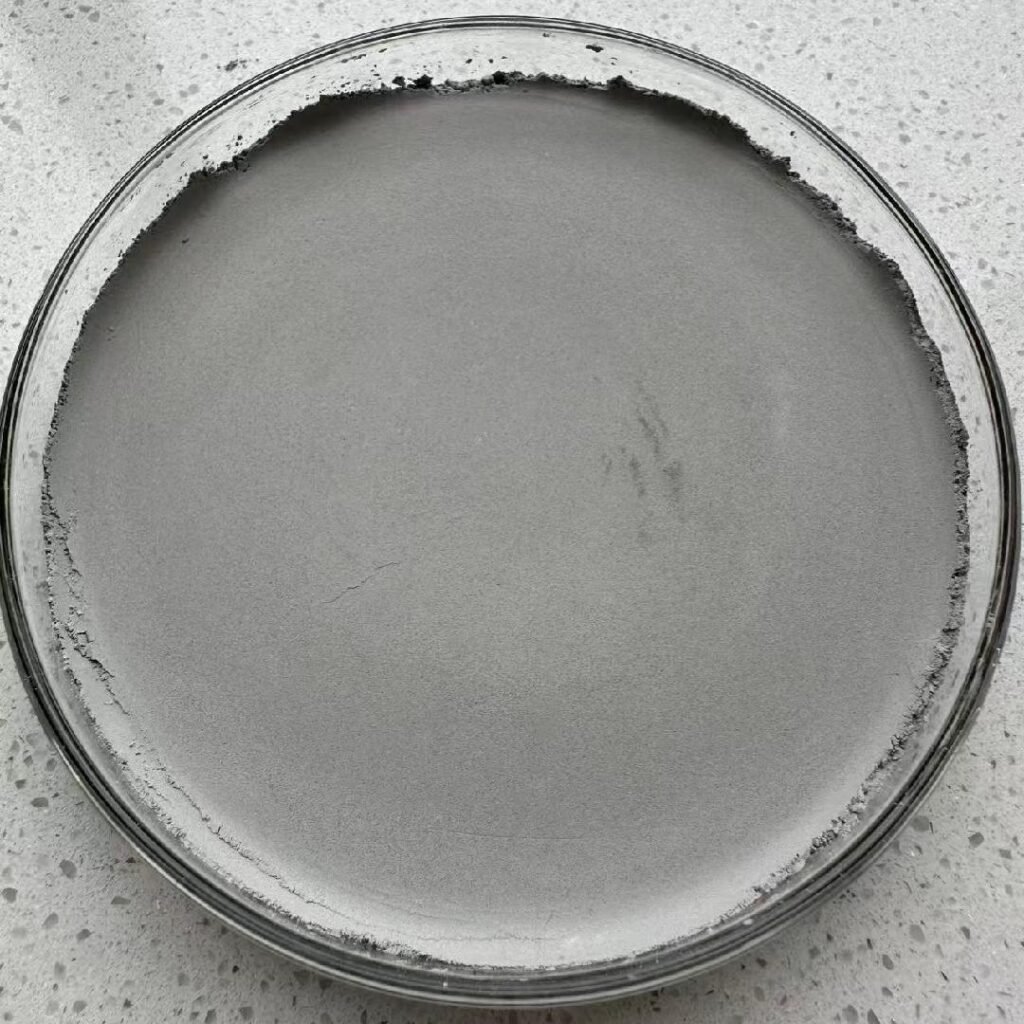
If you are wondering what is non-shrink grout, it is a specialized, high-strength cementitious or epoxy-based material designed to maintain its exact volume or expand slightly as it cures. Unlike standard mixtures, it utilizes expansive agents to counteract natural shrinkage, ensuring 100% contact and load transfer under heavy machinery, base plates, and structural anchoring. This dimensional stability is critical for preventing gaps and maintaining long-term structural integrity in demanding construction environments.
Understanding Non-Shrink Grout: Definition and Mechanics
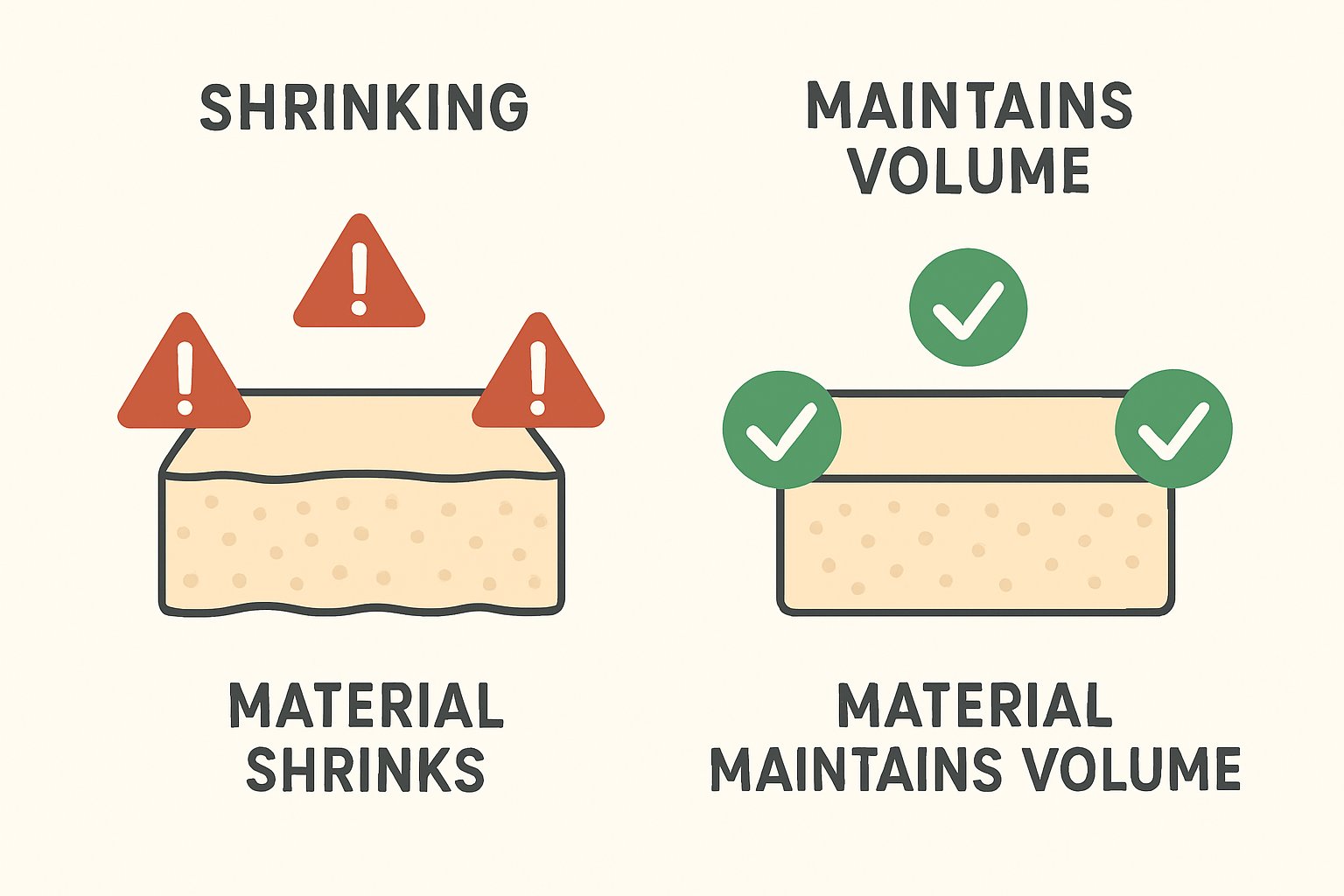
At its core, non-shrink grout is a highly engineered hydraulic material that achieves a net-zero volume change once placed. In traditional concrete and mortar mixes, water evaporation during the hydration process naturally leads to a slight reduction in volume. Non-shrink formulations are specifically designed to counteract this physical contraction, ensuring that the cured material completely fills the intended void without pulling away from adjacent surfaces.
The secret behind this dimensional stability lies in its precise chemical composition. Manufacturers blend Portland cement, fine aggregates, and proprietary expansive agents that cause controlled expansion during the initial setting phase. By carefully calibrating these admixtures, the grout expands just enough to offset the normal drying shrinkage. Additionally, these mixes are engineered to require a very low water-to-cement ratio, which intrinsically minimizes the potential for moisture-loss contraction.
Performance metrics for these materials are exceptionally high. Depending on the specific mix and curing conditions, non-shrink grout can achieve compressive strengths exceeding 10,000 psi (70 MPa), making it vastly superior to standard mortars. This immense strength is vital for safely distributing massive static and dynamic loads across concrete foundations.
When selecting a product, engineers typically choose between two primary formulations based on environmental demands and load requirements:
- Cementitious Grout: The industry standard for general structural use. It relies on hydraulic cement and expansive additives, offering excellent compressive strength and ease of placement for most typical anchoring and base plate applications.
- Epoxy-Based Grout: Formulated with epoxy resins and hardeners, this variation provides unparalleled chemical resistance, superior bond strength, and exceptional tolerance to extreme dynamic loads and intense vibrations.
The primary function of non-shrink grout is to guarantee firm bedding and accurate load transfer without settlement, ensuring the safety of critical infrastructure.
Non-Shrink Grout vs. Regular Grout: Key Differences
Understanding the fundamental differences in curing behavior is essential for making the correct material choice on a job site. The most critical distinction lies in what happens after the material is poured. Regular grout naturally shrinks by 1% to 3% as the water evaporates during the curing process. While this is acceptable for aesthetic applications like filling spaces between ceramic tiles, it is catastrophic in structural engineering.
When standard grout shrinks beneath a load-bearing column or heavy machinery, it creates microscopic voids. These gaps compromise the load transfer, meaning the immense weight is no longer evenly distributed across the foundation. Over time, this leads to structural cracking, water infiltration, and potential mechanical failure. Non-shrink formulations compensate for this by maintaining continuous, flush contact with the bearing surfaces at all times.
To clarify when to use each material, consider the following pros and cons:
Pros and Cons of Regular Grout
- Pros: Highly workable, cost-effective for large aesthetic areas, available in various colors, and sufficient for lightweight, non-structural bonding.
- Cons: Prone to drying shrinkage, lacks high compressive strength, and is entirely unsuitable for load-bearing or industrial anchoring.
Pros and Cons of Non-Shrink Grout
- Pros: Maintains 100% surface contact, offers extreme compressive strength (often exceeding 10,000 psi), resists dynamic vibrations, and prevents water pooling in voids.
- Cons: More expensive than standard mixes, requires precise water measurement during mixing, and has a shorter working time.
The table below outlines the core comparative metrics between the two materials to guide project planning:
| Feature | Regular Grout | Non-Shrink Grout |
|---|---|---|
| Volume Change | Shrinks 1% to 3% during curing | Net-zero shrinkage (maintains or slightly expands) |
| Compressive Strength | Low to Moderate (Typically under 3,000 psi) | Extremely High (7,000 to 10,000+ psi) |
| Primary Use Case | Tile placement, masonry joints, aesthetics | Machinery base plates, structural anchoring |
| Load Transfer | Poor (due to void formation) | Excellent (100% contact maintained) |
| Cost | Economical | Premium |
Critical Applications and Use Cases in Construction
Because of its exceptional dimensional stability and load-bearing capabilities, non-shrink grout is heavily utilized in commercial, industrial, and residential sectors where precision is non-negotiable. Its primary role is to bridge the gap between structural elements and concrete foundations, ensuring that heavy loads are transferred seamlessly into the ground.
In industrial settings, manufacturing equipment generates intense vibrations and dynamic stresses. Non-shrink grout is the only acceptable material for pouring under heavy machinery base plates. It provides a stable, vibration-resistant base that prevents the equipment from shifting, which could otherwise lead to catastrophic mechanical misalignment or failure. For massive infrastructure projects, specialized automated grout mixing plants are often deployed to deliver high-shear, on-demand mixing for large-scale mining, tunneling, and civil engineering applications.
Beyond machinery, it plays a vital role in structural assembly and reinforcement. It is extensively used to anchor steel bolts, reinforcing bars (rebar), and post-tensioning tendons into concrete substrates. By completely encapsulating the metal without leaving air pockets, it not only secures the anchor but also protects the embedded steel from corrosive water ingress.
Key applications include:
- Heavy Machinery Base Plates: Creating vibration-resistant foundations for turbines, generators, and manufacturing presses.
- Structural Anchoring: Securing anchor bolts, crane rails, and bridge bearings to withstand seismic and thermal stresses.
- Precast Concrete Assembly: Filling joints and voids between precast columns and wall panels without settling.
- Concrete Repairs: Restoring the structural integrity of damaged load-bearing walls, columns, and elevator pits.
Application limits do exist depending on the specific product formulation. For instance, some cementitious mixes are limited to a maximum thickness of 1 to 2 inches per lift in vertical applications, while horizontal pours can often be deeper. Always consult the manufacturer’s technical data sheet for specific depth limitations.
Curing Process, Strength Development, and Application Best Practices
Achieving the advertised strength and non-shrink properties requires strict adherence to proper mixing and curing protocols. The chemical reactions that power the expansive agents are highly sensitive to water content and environmental temperatures. Adding too much water to improve flowability will dilute the expansive additives, increase drying shrinkage, and drastically reduce the final compressive strength.
The curing timeline follows a predictable curve. The initial set typically occurs within 30 minutes to a few hours, depending on the ambient temperature. Within 24 to 48 hours, the grout usually develops enough strength to support light loads. However, like standard concrete, it requires a full 28 days to cure completely and reach its maximum design strength.
Environmental factors play a massive role in application success. Cold weather significantly slows down the hydration process, often requiring the use of warm mixing water and thermal blankets to protect the grout from freezing during the critical first 48 hours. Conversely, hot weather accelerates the chemical reaction, reducing working time and necessitating cold mixing water to prevent flash setting.
Follow these best practices for a successful application:
- Surface Preparation: Clean the concrete substrate thoroughly, removing all dust, grease, and loose debris. Pre-soak the concrete for 24 hours to achieve a saturated surface dry (SSD) condition, which prevents the dry concrete from pulling moisture out of the fresh grout.
- Formwork Construction: Build watertight, sturdy forms around the pour area, ensuring there is a designated pouring side and an air-venting side to prevent trapped air pockets.
- Precise Measurement: Measure the exact water ratio specified by the manufacturer (e.g., typically 2.4 to 2.6 liters of water per 25 kg bag). Adjust slightly within the approved range depending on whether a pourable or stiff dry-pack consistency is required.
- Mixing: Use a mechanical mixer to blend the material until smooth and lump-free. Avoid over-mixing, which can entrap excess air.
- Placement: Pour continuously from one side to push air out the opposite side. For deep fills, use a tremie tube or pump to ensure a solid, void-free mass.
- Wet Curing: Immediately cover the exposed surfaces with wet burlap or a specialized curing compound to trap moisture and facilitate proper chemical hydration for at least three days.

Ensuring Structural Integrity with the Right Materials
The success of any load-bearing construction project hinges on the materials chosen to anchor it to the ground. Non-shrink grout stands out as an indispensable engineering solution that actively combats the natural physical limitations of standard cement. By utilizing expansive agents and precise water-to-cement ratios, it guarantees the dimensional stability required for heavy machinery, structural columns, and critical infrastructure.
Whether you are repairing a damaged concrete wall or securing a massive industrial turbine, understanding the distinct formulations—cementitious versus epoxy—and adhering to strict mixing and curing protocols will ensure your project remains safe, stable, and structurally sound for decades to come.
Frequently Asked Questions
1. What is non-shrink grout used for?
It is primarily used in structural applications where maintaining 100% surface contact is critical. Common uses include filling the voids under heavy machinery base plates, anchoring structural bolts and rebar, supporting bridge bearings, and performing load-bearing concrete repairs.
2. How does non-shrink grout work?
The material works by incorporating proprietary expansive agents into the cement mix. As the grout hydrates and begins its initial set, these agents cause a controlled expansion that perfectly offsets the natural drying shrinkage that occurs as water evaporates, resulting in a net-zero volume change.
3. What makes non-shrink grout different from regular grout?
Regular grout shrinks by 1% to 3% as it cures, which creates microscopic voids and compromises load transfer. Non-shrink formulations maintain their exact volume or expand slightly, ensuring continuous contact with adjacent surfaces and offering vastly superior compressive strength (often exceeding 10,000 psi).
4. Is non-shrink grout suitable for outdoor use?
Yes, it is highly durable and suitable for outdoor applications. However, during the installation and initial curing phase, it must be protected from extreme weather. In cold climates, it must be shielded from freezing for at least 48 hours, and in hot climates, precautions must be taken to prevent rapid moisture evaporation.
5. What is the maximum thickness for application of non-shrink grout?
The maximum thickness depends on the specific product formulation. Generally, standard non-shrink grout can be poured up to 2 to 4 inches thick per lift. For deeper cavities, manufacturers often recommend extending the grout with clean, washed pea gravel to dissipate the heat generated by the chemical curing process.
6. Is non-shrink grout easy to apply?
While the physical placement is straightforward, the preparation and mixing require strict precision. It is not as forgiving as regular mortar; adding too much water to make it easier to pour will destroy the expansive properties and severely weaken the final strength. Proper surface preparation and exact water measurements are mandatory.