Uncategorized

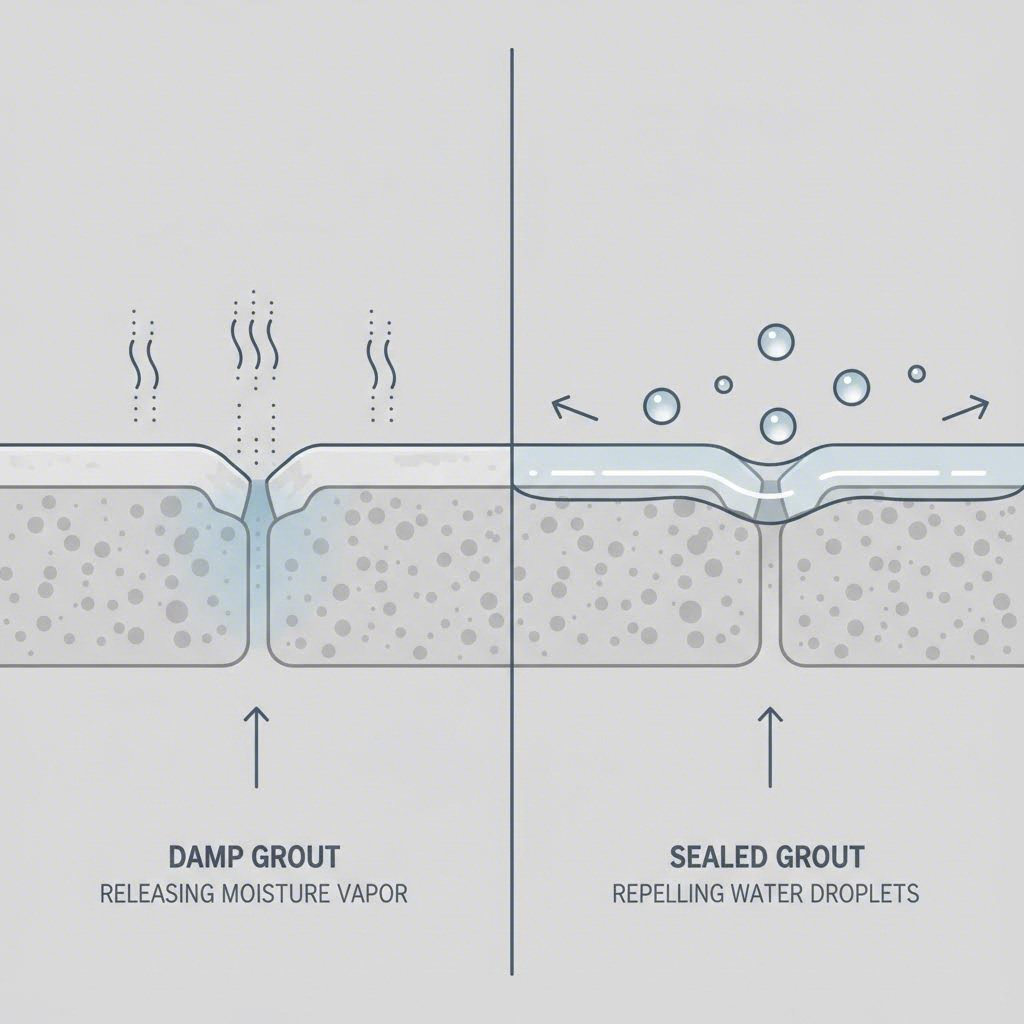
cross section diagram comparing curing grout release moisture vs sealed grout

How Long to Let Grout Cure Before Sealing: The 72-Hour Rule

For most standard cement-based projects, you must wait 48 to 72 hours after installation before sealing grout. This waiting period allows the grout to fully cure and release excess moisture. Sealing too early traps water inside, leading to white haze, mold growth, and peeling sealer. Exceptions exist: If you used a specialized “fast-setting” grout or plan to use […]

How Long to Let Grout Cure Before Sealing: The 72-Hour Rule Read More »

diagram comparing wet curing grout versus fully dry and sealed grout

How Long Does Grout Need to Dry Before Sealing? The 72-Hour Rule

For most new tiling projects, you must wait 48 to 72 hours for cementitious grout to fully cure before applying sealer. While the grout may look and feel dry to the touch within 24 hours, internal moisture is still evaporating; sealing too early traps this moisture, leading to haze, mold, or peeling sealer. If you are resealing existing

How Long Does Grout Need to Dry Before Sealing? The 72-Hour Rule Read More »

close up of waterproof grout lines on modern shower tiles

Select the Ideal Grout for Your Shower Tile

For shower tile, epoxy grout is the ultimate choice for its unmatched waterproof and stain-proof qualities. However, for a balance of high performance and DIY-friendly application, modern pre-mixed grouts like high-performance acrylic or urethane are excellent alternatives. Choosing the right grout is critical to prevent water damage, mold, and costly repairs in a high-moisture environment

Select the Ideal Grout for Your Shower Tile Read More »

写 our certificates 的文字 (1)

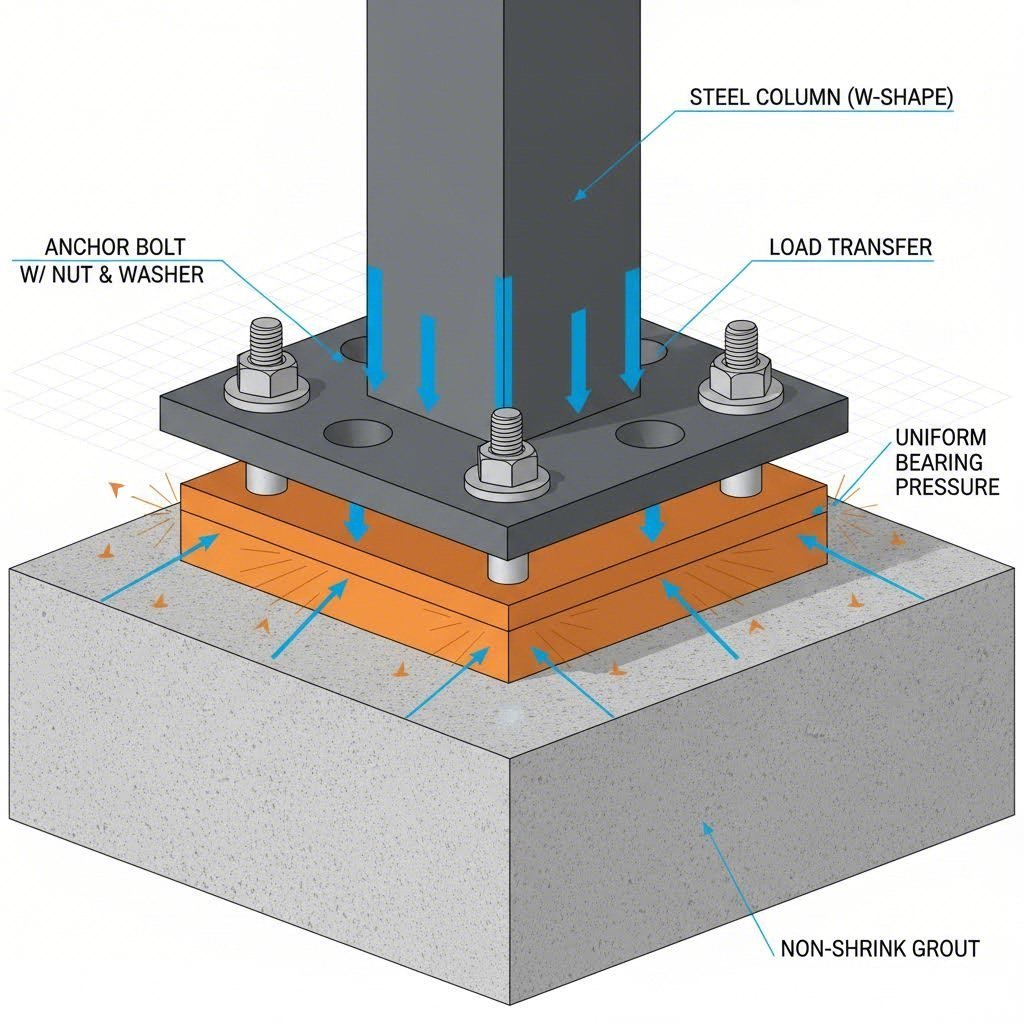
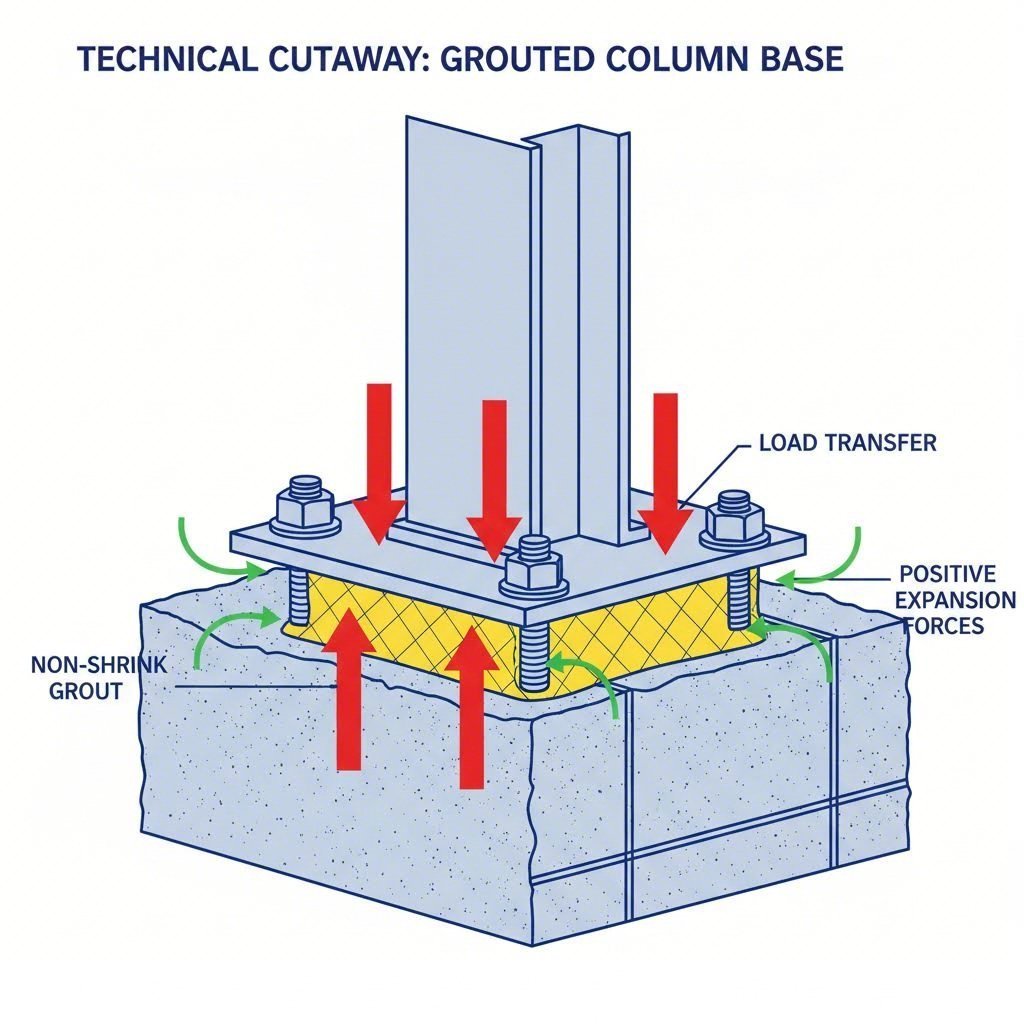
Non-Shrink Grout vs. Concrete Repair Mortar: When to Use Which?

Non-shrink grout is a specialized hydraulic cement designed to expand slightly as it cures, counteracting the natural shrinkage that occurs in standard concrete. This unique property makes it the industry standard for load-bearing applications where a tight, permanent seal is critical, such as anchoring bolts, setting heavy machinery bases, and filling voids under structural columns. Unlike standard

Non-Shrink Grout vs. Concrete Repair Mortar: When to Use Which? Read More »

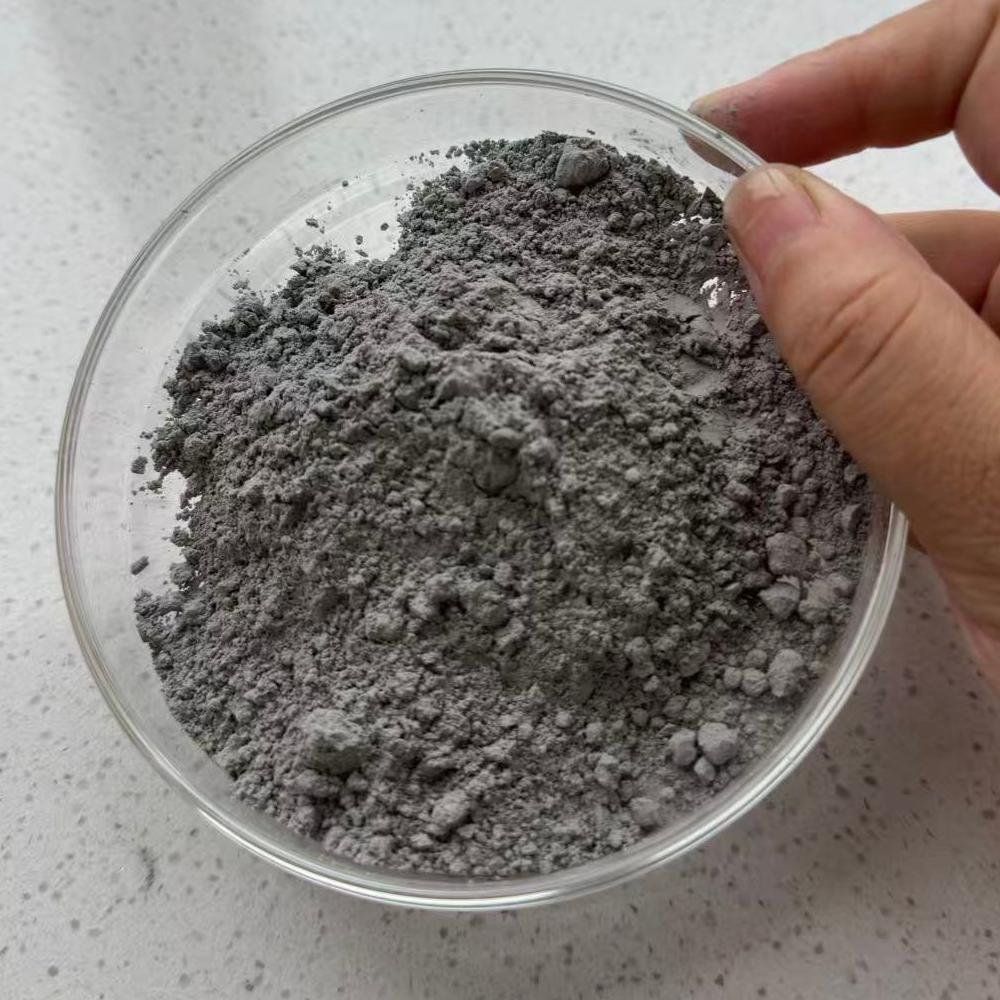
uhpc concrete cement mortar pop cement white high strength cement repair mortar 52.5

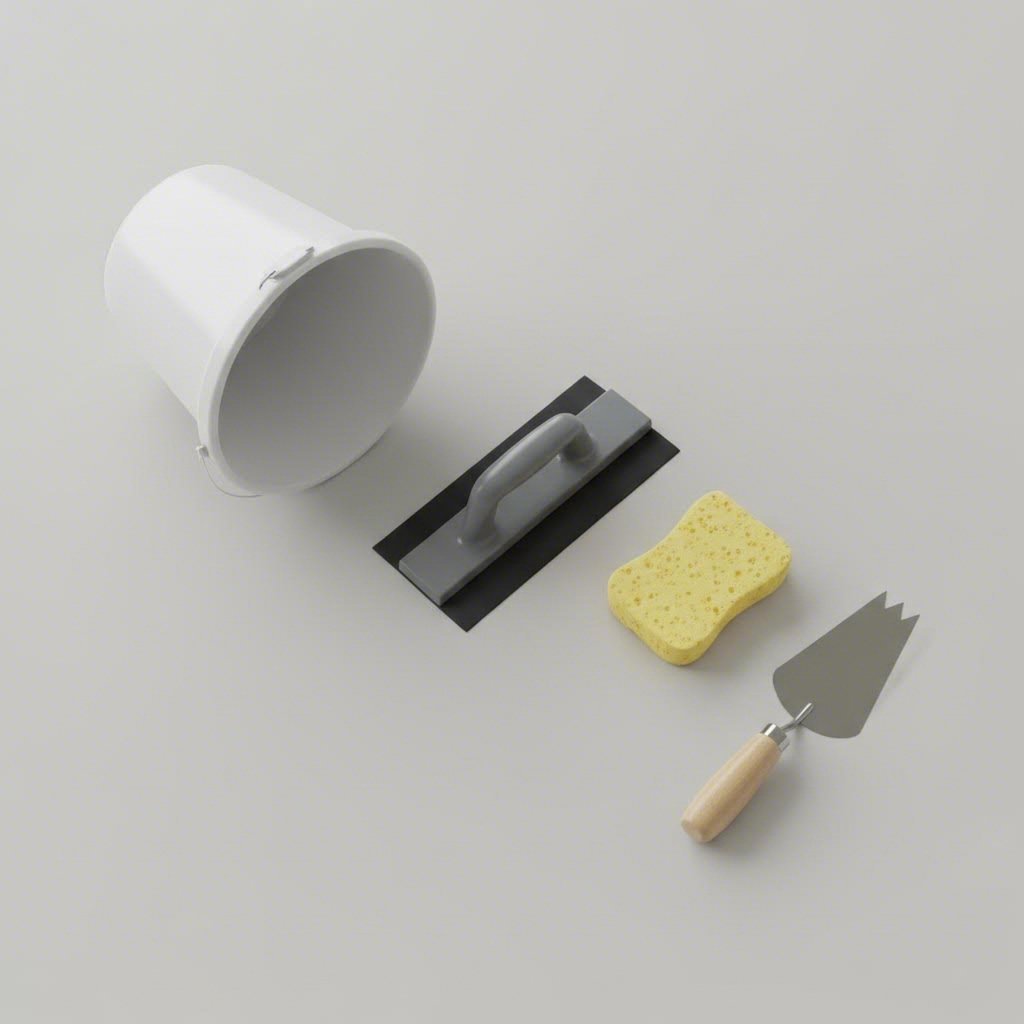
What materials do you need for grouting?

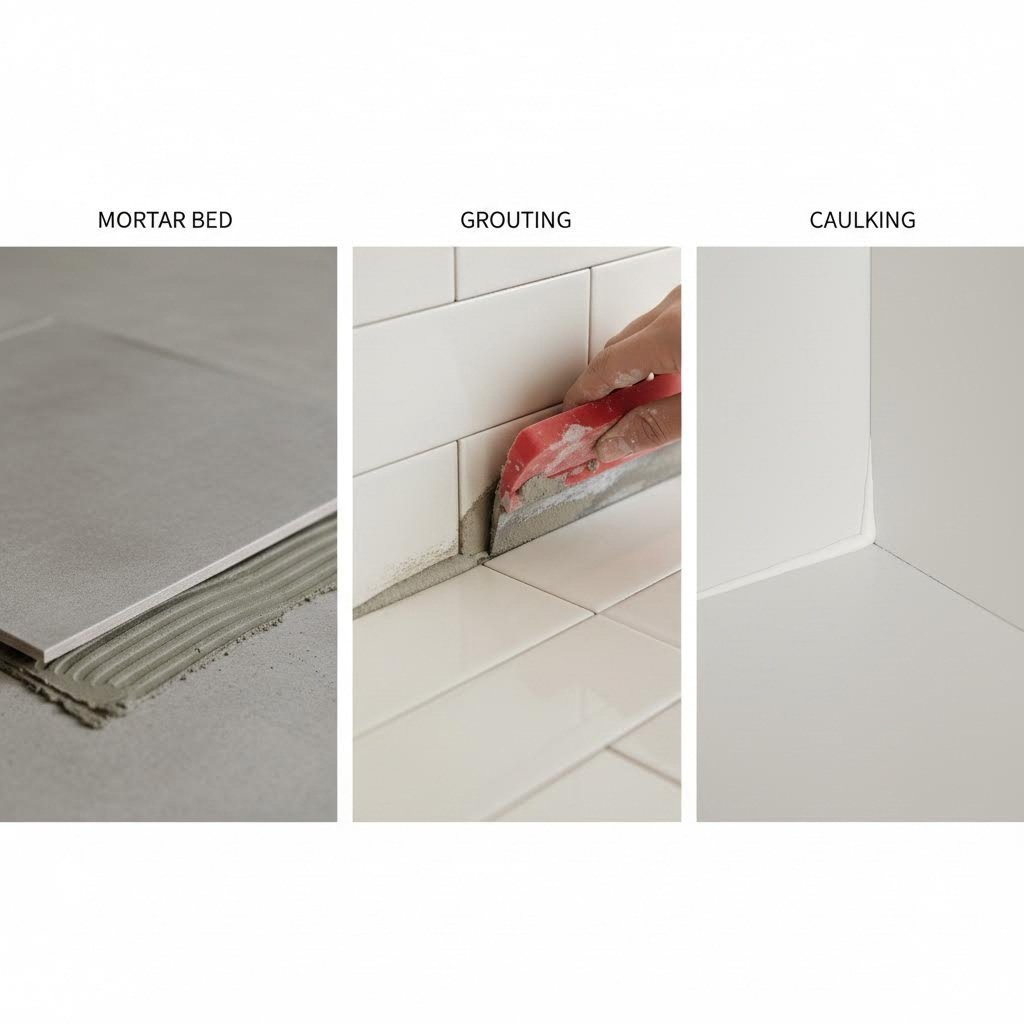
Grouting might seem like the “final touch” of a renovation, but as any seasoned DIYer or professional will tell you, it is the structural backbone of your tile installation. It’s what prevents moisture from seeping behind your walls, keeps your tiles from shifting, and—let’s be honest—makes the whole project look polished. If you’re standing in

What materials do you need for grouting? Read More »

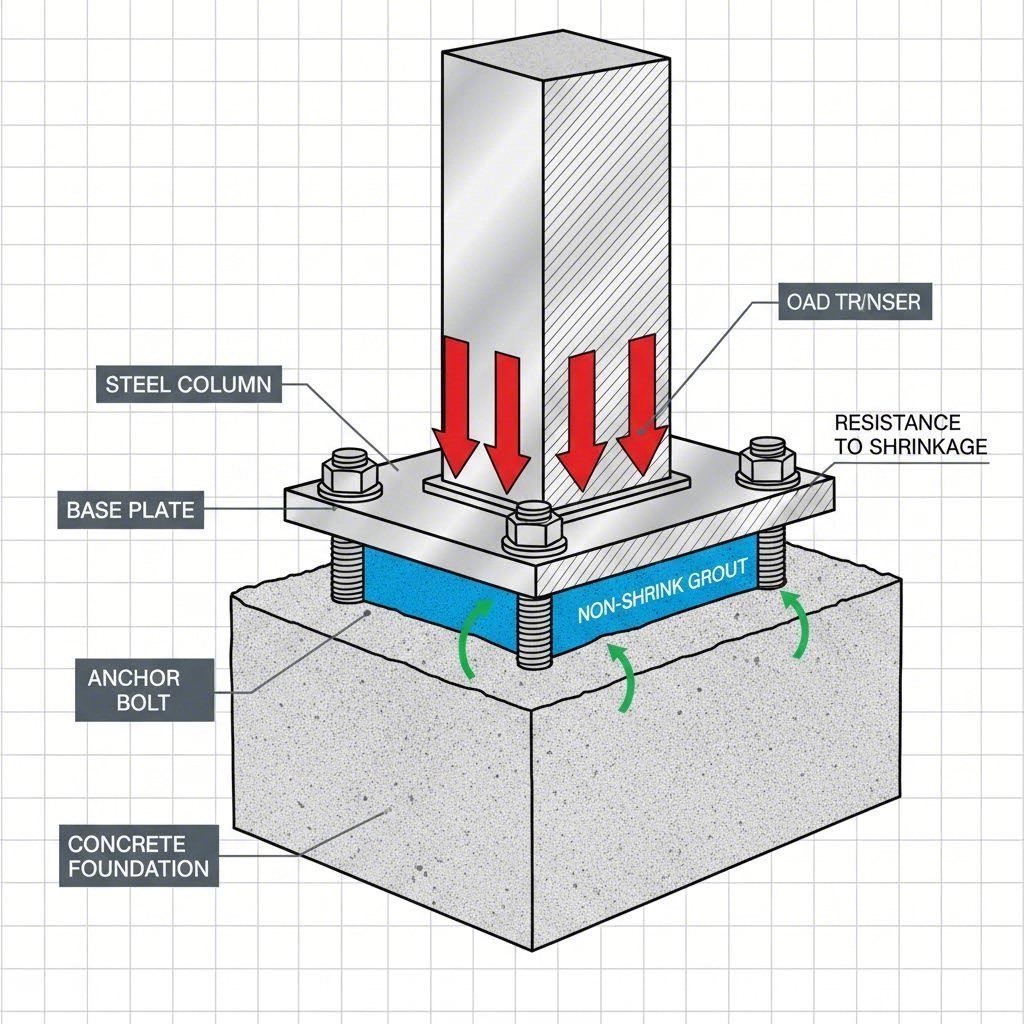
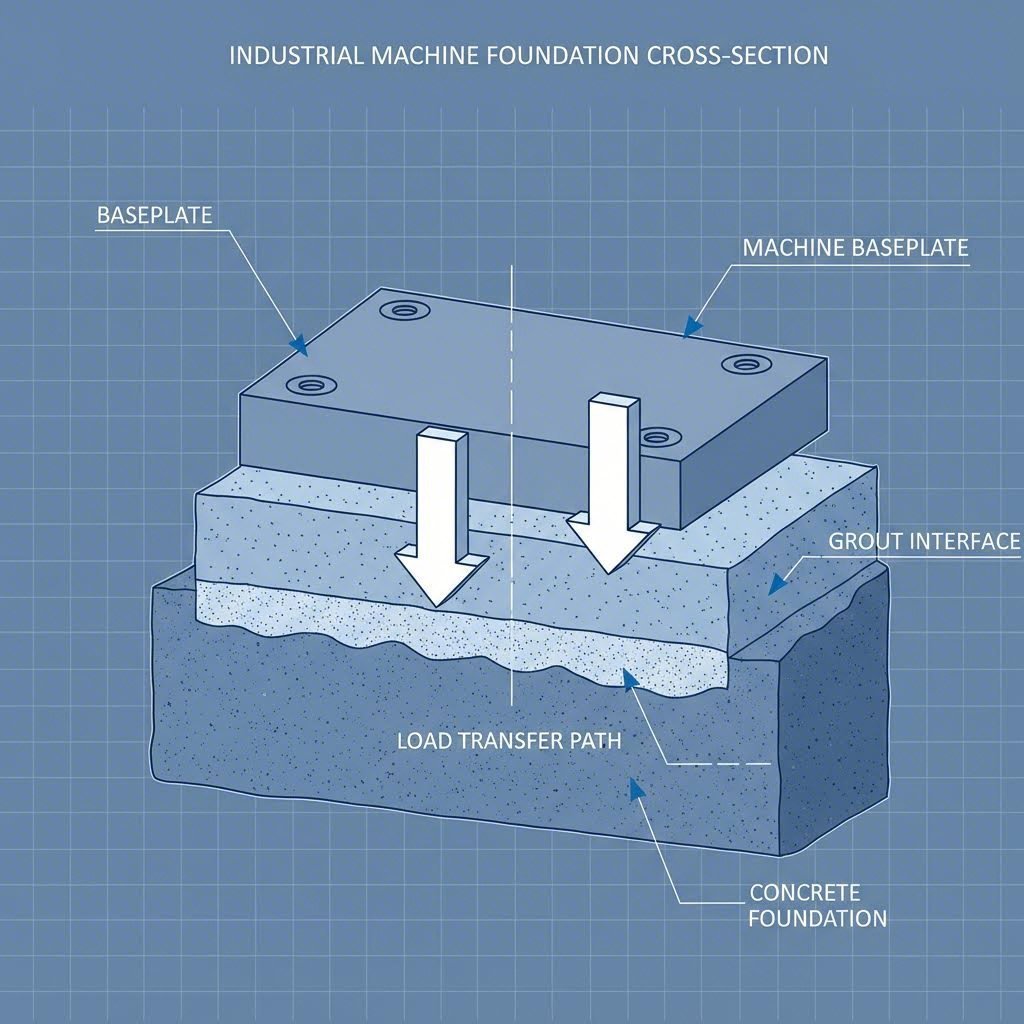
cross section diagram illustrating how non shrink grout fills voids under structural load bearing plates

Non-Shrink Grout vs. Concrete Repair Mortar: When to Use Which?

Non-shrink grout is a specialized hydraulic cement designed to expand slightly as it cures, counteracting the natural shrinkage that occurs in standard concrete. This unique property makes it the industry standard for load-bearing applications where a tight, permanent seal is critical, such as anchoring bolts, setting heavy machinery bases, and filling voids under structural columns. Unlike standard

Non-Shrink Grout vs. Concrete Repair Mortar: When to Use Which? Read More »

Can I Use Cement as a Grout? A Professional Guide to Why “Close Enough” Isn’t Enough

When you reach the final stages of a tiling project, it’s tempting to look at that leftover bag of standard Portland cement and wonder: “Can I just use this to fill the gaps?” On the surface, grout looks like cement, acts like cement, and is even cement-based. So, why spend extra money on a specialized

Can I Use Cement as a Grout? A Professional Guide to Why “Close Enough” Isn’t Enough Read More »

Which is better, cement or grout?

This is a common point of confusion because, technically, grout is a type of cement, but they are used for completely different purposes. Choosing between them isn’t about which is “better”—it’s about which is right for the specific structural or aesthetic role in your project. As someone who understands the technical details of infrastructure and

Which is better, cement or grout? Read More »

What Is Grouting Material and How Is It Used in Construction

You use grouting material to fill spaces or gaps in building projects. This mix usually has water, cement, and sand. Grouting material helps hold up and steady buildings. New studies say that using good grouting material, like non-shrink types, can keep buildings strong for a long time. These materials do not change shape or size, so

What Is Grouting Material and How Is It Used in Construction Read More »