
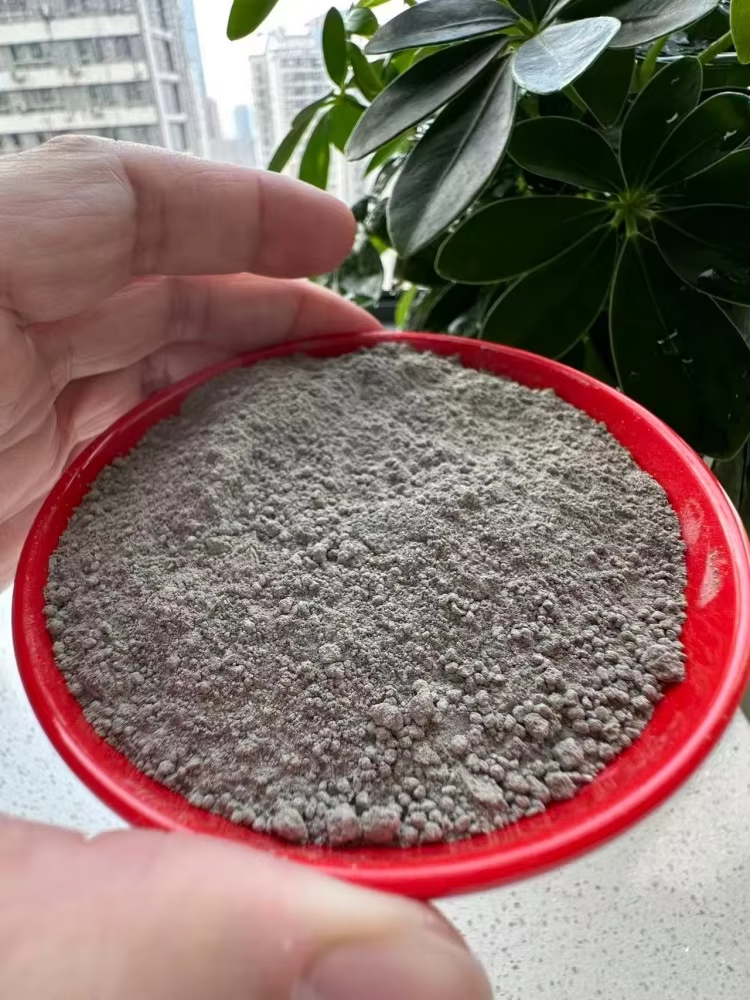
Getting the mix right is the “make or break” moment of any tiling project. You’ve spent hours meticulously leveling your tiles, and now it’s time for the finish. If your grout mix is too watery, it will shrink and crack as it dries; if it’s too thick, it won’t penetrate the joints, leaving your floor vulnerable to moisture.
As a professional or a DIYer, understanding the chemistry of your “mud” is what separates a job that lasts twenty years from one that fails in two. In this comprehensive guide, we are going to walk you through the exact science of the correct mix, the tools you need, and the professional “feel” you should look for.
1. Understanding the Variables: Sanded vs. Unsanded
Before you pour your first cup of water, you must confirm you have the right type of grout for your specific joint width. The “correct mix” starts with the correct material.
- Sanded Grout: Used for joints 1/8 inch (3mm) or wider. The sand acts as a structural skeleton, preventing the grout from shrinking and pulling away from the tile edges as the water evaporates.
- Unsanded Grout: Used for joints smaller than 1/8 inch. It is smooth and sticky, perfect for vertical wall tiles or delicate surfaces like polished marble that might be scratched by sand.
The Ratio Rule
Most manufacturers follow a general ratio of 4 parts powder to 1 part water, but this is a starting point, not a law. Humidity, altitude, and even the temperature of your room will change how the powder absorbs moisture.
2. The Tools of the Trade
To achieve a professional-grade consistency, you can’t just stir it with a stick. You need tools that ensure a homogeneous blend without introducing too much air.
- Measuring Buckets: Use two separate containers. One for the dry powder and one for the water. Never pour “by eye.”
- Low-Speed Drill & Mixing Paddle: If you are doing a large area, a drill is essential. However, it must be set to a low RPM (under 300 RPM). High speeds whip air bubbles into the mix, which results in “pinholes” (tiny craters) in your finished joints.
- Margin Trowel: For small batches or for scraping the sides of the bucket to ensure no dry pockets are left behind.
- Distilled Water (Optional but Recommended): If you live in an area with hard water (high mineral content), use distilled water. Minerals like lime and calcium can cause efflorescence—those ugly white salty stains that appear on grout later.
3. Step-by-Step: The Mixing Process
Follow this sequence to ensure your grout achieves its maximum structural integrity.
Step 1: Water First
Always pour your measured water into the bucket before the powder. If you pour powder first and then add water, you will end up with a “dry cake” at the bottom of the bucket that is impossible to integrate.
Step 2: The “Peanut Butter” Consistency
Add about 80% of your powder and start mixing. Slowly add the remaining 20% until you reach the “Sweet Spot.”
The Pro Test: Scoop some grout onto your margin trowel and turn it sideways. The grout should hang onto the trowel for a second or two before sliding off in a thick clump. It should have the consistency of smooth peanut butter or stiff cake frosting.
Step 3: The Critical “Slake” Period
This is the step most beginners skip, and it is the most common cause of grout failure. Once you have mixed the grout to the right consistency, let it sit (slake) for 5 to 10 minutes.
- Why? The chemicals in the grout (polymers and pigments) need time to fully hydrate.
- What happens? After 10 minutes, you’ll notice the grout has become slightly stiffer.
Step 4: The Final Stir
After the slake, mix it one more time by hand with your trowel. Do not add more water! Adding water after the slake breaks down the chemical bonds and weakens the final product.
4. Environmental Factors: Temperature and Humidity
As someone who has likely managed multiple factory-scale B2B projects or website builds, you know that the environment dictates the outcome. Grouting is no different.
- High Heat: If you are working in a room above 80°F (27°C), the water will evaporate too quickly. You may need to slightly increase the water ratio or work in smaller batches.
- Cold Dampness: In cold basements, the grout will stay “open” (wet) for much longer. Be careful not to start the wash-down process too early, or you will pull the grout right out of the joints.
5. Visual Guide: What to Look For
Caption: Notice how the grout holds its shape. If it’s sagging or “self-leveling” in the bucket, it is too wet.
Caption: Ensuring no dry powder remains trapped at the bottom or sides of the bucket.
Getting the mix right is the “make or break” moment of any tiling project. You’ve spent hours meticulously leveling your tiles, and now it’s time for the finish. If your grout mix is too watery, it will shrink and crack as it dries; if it’s too thick, it won’t penetrate the joints, leaving your floor vulnerable to moisture.
As a professional or a DIYer, understanding the chemistry of your “mud” is what separates a job that lasts twenty years from one that fails in two. In this comprehensive guide, we are going to walk you through the exact science of the correct mix, the tools you need, and the professional “feel” you should look for.
1. Understanding the Variables: Sanded vs. Unsanded
Before you pour your first cup of water, you must confirm you have the right type of grout for your specific joint width. The “correct mix” starts with the correct material.
- Sanded Grout: Used for joints 1/8 inch (3mm) or wider. The sand acts as a structural skeleton, preventing the grout from shrinking and pulling away from the tile edges as the water evaporates.
- Unsanded Grout: Used for joints smaller than 1/8 inch. It is smooth and sticky, perfect for vertical wall tiles or delicate surfaces like polished marble that might be scratched by sand.
The Ratio Rule
Most manufacturers follow a general ratio of 4 parts powder to 1 part water, but this is a starting point, not a law. Humidity, altitude, and even the temperature of your room will change how the powder absorbs moisture.
2. The Tools of the Trade
To achieve a professional-grade consistency, you can’t just stir it with a stick. You need tools that ensure a homogeneous blend without introducing too much air.
- Measuring Buckets: Use two separate containers. One for the dry powder and one for the water. Never pour “by eye.”
- Low-Speed Drill & Mixing Paddle: If you are doing a large area, a drill is essential. However, it must be set to a low RPM (under 300 RPM). High speeds whip air bubbles into the mix, which results in “pinholes” (tiny craters) in your finished joints.
- Margin Trowel: For small batches or for scraping the sides of the bucket to ensure no dry pockets are left behind.
- Distilled Water (Optional but Recommended): If you live in an area with hard water (high mineral content), use distilled water. Minerals like lime and calcium can cause efflorescence—those ugly white salty stains that appear on grout later.
3. Step-by-Step: The Mixing Process
Follow this sequence to ensure your grout achieves its maximum structural integrity.
Step 1: Water First
Always pour your measured water into the bucket before the powder. If you pour powder first and then add water, you will end up with a “dry cake” at the bottom of the bucket that is impossible to integrate.
Step 2: The “Peanut Butter” Consistency
Add about 80% of your powder and start mixing. Slowly add the remaining 20% until you reach the “Sweet Spot.”
The Pro Test: Scoop some grout onto your margin trowel and turn it sideways. The grout should hang onto the trowel for a second or two before sliding off in a thick clump. It should have the consistency of smooth peanut butter or stiff cake frosting.
Step 3: The Critical “Slake” Period
This is the step most beginners skip, and it is the most common cause of grout failure. Once you have mixed the grout to the right consistency, let it sit (slake) for 5 to 10 minutes.
- Why? The chemicals in the grout (polymers and pigments) need time to fully hydrate.
- What happens? After 10 minutes, you’ll notice the grout has become slightly stiffer.
Step 4: The Final Stir
After the slake, mix it one more time by hand with your trowel. Do not add more water! Adding water after the slake breaks down the chemical bonds and weakens the final product.
4. Environmental Factors: Temperature and Humidity
As someone who has likely managed multiple factory-scale B2B projects or website builds, you know that the environment dictates the outcome. Grouting is no different.
- High Heat: If you are working in a room above 80°F (27°C), the water will evaporate too quickly. You may need to slightly increase the water ratio or work in smaller batches.
- Cold Dampness: In cold basements, the grout will stay “open” (wet) for much longer. Be careful not to start the wash-down process too early, or you will pull the grout right out of the joints.
5. Visual Guide: What to Look For
Caption: Notice how the grout holds its shape. If it’s sagging or “self-leveling” in the bucket, it is too wet.
Caption: Ensuring no dry powder remains trapped at the bottom or sides of the bucket.
6. Common Mistakes and How to Fix Them
| Problem | Cause | The Fix |
| Grout is Cracking | Too much water in the mix. | Remove the grout and re-apply with a stiffer mix. |
| Color is Uneven | Over-washing with a wet sponge. | Use a damp, not dripping, sponge for cleanup. |
| Powdery Grout | Dried too fast (no slaking). | Mist the joints with water the next day to help curing. |
| Pinholes | Mixed at too high a speed (air bubbles). | Use a low-speed drill or hand-mix smaller batches. |
Getting the mix right is the “make or break” moment of any tiling project. You’ve spent hours meticulously leveling your tiles, and now it’s time for the finish. If your grout mix is too watery, it will shrink and crack as it dries; if it’s too thick, it won’t penetrate the joints, leaving your floor vulnerable to moisture.
As a professional or a DIYer, understanding the chemistry of your “mud” is what separates a job that lasts twenty years from one that fails in two. In this comprehensive guide, we are going to walk you through the exact science of the correct mix, the tools you need, and the professional “feel” you should look for.
1. Understanding the Variables: Sanded vs. Unsanded
Before you pour your first cup of water, you must confirm you have the right type of grout for your specific joint width. The “correct mix” starts with the correct material.
- Sanded Grout: Used for joints 1/8 inch (3mm) or wider. The sand acts as a structural skeleton, preventing the grout from shrinking and pulling away from the tile edges as the water evaporates.
- Unsanded Grout: Used for joints smaller than 1/8 inch. It is smooth and sticky, perfect for vertical wall tiles or delicate surfaces like polished marble that might be scratched by sand.
The Ratio Rule
Most manufacturers follow a general ratio of 4 parts powder to 1 part water, but this is a starting point, not a law. Humidity, altitude, and even the temperature of your room will change how the powder absorbs moisture.
2. The Tools of the Trade
To achieve a professional-grade consistency, you can’t just stir it with a stick. You need tools that ensure a homogeneous blend without introducing too much air.
- Measuring Buckets: Use two separate containers. One for the dry powder and one for the water. Never pour “by eye.”
- Low-Speed Drill & Mixing Paddle: If you are doing a large area, a drill is essential. However, it must be set to a low RPM (under 300 RPM). High speeds whip air bubbles into the mix, which results in “pinholes” (tiny craters) in your finished joints.
- Margin Trowel: For small batches or for scraping the sides of the bucket to ensure no dry pockets are left behind.
- Distilled Water (Optional but Recommended): If you live in an area with hard water (high mineral content), use distilled water. Minerals like lime and calcium can cause efflorescence—those ugly white salty stains that appear on grout later.
3. Step-by-Step: The Mixing Process
Follow this sequence to ensure your grout achieves its maximum structural integrity.
Step 1: Water First
Always pour your measured water into the bucket before the powder. If you pour powder first and then add water, you will end up with a “dry cake” at the bottom of the bucket that is impossible to integrate.
Step 2: The “Peanut Butter” Consistency
Add about 80% of your powder and start mixing. Slowly add the remaining 20% until you reach the “Sweet Spot.”
The Pro Test: Scoop some grout onto your margin trowel and turn it sideways. The grout should hang onto the trowel for a second or two before sliding off in a thick clump. It should have the consistency of smooth peanut butter or stiff cake frosting.
Step 3: The Critical “Slake” Period
This is the step most beginners skip, and it is the most common cause of grout failure. Once you have mixed the grout to the right consistency, let it sit (slake) for 5 to 10 minutes.
- Why? The chemicals in the grout (polymers and pigments) need time to fully hydrate.
- What happens? After 10 minutes, you’ll notice the grout has become slightly stiffer.
Step 4: The Final Stir
After the slake, mix it one more time by hand with your trowel. Do not add more water! Adding water after the slake breaks down the chemical bonds and weakens the final product.
4. Environmental Factors: Temperature and Humidity
As someone who has likely managed multiple factory-scale B2B projects or website builds, you know that the environment dictates the outcome. Grouting is no different.
- High Heat: If you are working in a room above 80°F (27°C), the water will evaporate too quickly. You may need to slightly increase the water ratio or work in smaller batches.
- Cold Dampness: In cold basements, the grout will stay “open” (wet) for much longer. Be careful not to start the wash-down process too early, or you will pull the grout right out of the joints.
5. Visual Guide: What to Look For
Caption: Notice how the grout holds its shape. If it’s sagging or “self-leveling” in the bucket, it is too wet.
Caption: Ensuring no dry powder remains trapped at the bottom or sides of the bucket.
6. Common Mistakes and How to Fix Them
| Problem | Cause | The Fix |
| Grout is Cracking | Too much water in the mix. | Remove the grout and re-apply with a stiffer mix. |
| Color is Uneven | Over-washing with a wet sponge. | Use a damp, not dripping, sponge for cleanup. |
| Powdery Grout | Dried too fast (no slaking). | Mist the joints with water the next day to help curing. |
| Pinholes | Mixed at too high a speed (air bubbles). | Use a low-speed drill or hand-mix smaller batches. |
7. The Final “Pro” Tip: The Cleanup Water
The mix in the bucket is only half the battle. The “mix” on the floor depends on how much water you use during cleanup. After applying the grout with your rubber float, wait until it feels firm to the touch (usually 15–20 minutes).
When you wipe the tiles, your sponge must be damp, not wet. If you can squeeze a single drop of water out of the sponge onto the floor, it is too wet. Excess water during cleanup will “wash out” the pigment, leading to white streaks and weakened joints.
Master Your Installation
Grouting is an art backed by chemistry. When you take the time to measure your water, respect the slake period, and achieve that perfect “peanut butter” texture, you ensure that your tile installation isn’t just beautiful—it’s permanent.
Whether you are finishing a residential kitchen or a large-scale industrial floor for a factory, these principles remain the same. Precision in the mix leads to perfection in the finish.