
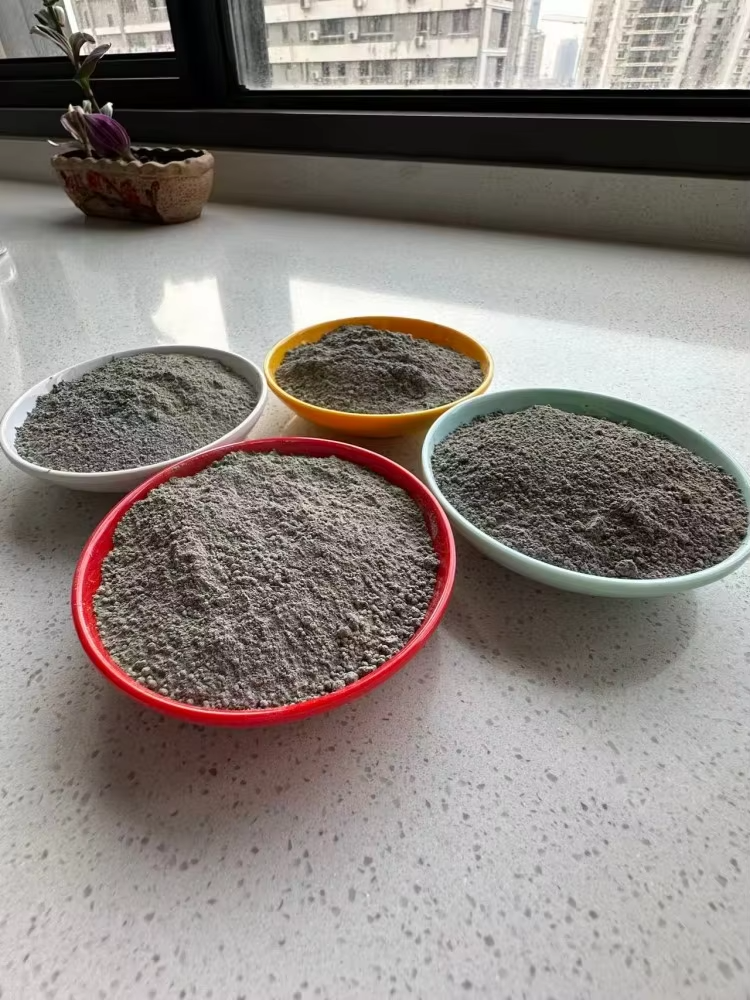
Grouting might seem like the “final touch” of a renovation, but as any seasoned DIYer or professional will tell you, it is the structural backbone of your tile installation. It’s what prevents moisture from seeping behind your walls, keeps your tiles from shifting, and—let’s be honest—makes the whole project look polished.
If you’re standing in the middle of a freshly tiled room wondering where to start, you’ve come to the right place. To get that professional, long-lasting finish, you need more than just a bag of powder and some water. You need a specific kit of tools and materials designed to handle the chemistry and physics of grout.
In this guide, we will break down exactly what you need to gather before you mix a single ounce of material.
- The Core Materials: Choosing Your Grout
Before you pick up a bucket, you have to choose the right “mud” for the job. Not all grout is created equal, and choosing the wrong one can lead to cracking or staining.
Sanded vs. Unsanded Grout
Sanded Grout: This contains fine sand that acts as a filler. You’ll need this for any tile joints wider than 1/8 inch. The sand prevents the grout from shrinking as it cures.
Unsanded Grout: Used for thin joints (less than 1/8 inch) and delicate tiles like polished marble or glass that might be scratched by sand.
Epoxy Grout
If you are grouting a kitchen backsplash or a heavy-use shower, you might consider Epoxy Grout. It’s incredibly durable and almost entirely stain-proof, but be warned: it is much harder to apply because it sets quickly and is very sticky.
- The Preparation Phase: Cleaning and Safety
You can’t grout over a mess. If there is dried thinset (tile adhesive) poking out between your tiles, your grout will look blotchy and uneven.
Necessary Prep Tools:
Utility Knife or Grout Saw: Use these to scrape out any excess adhesive that squeezed up between the tiles during installation.
Vacuum with a Brush Attachment: You need to suck out every grain of dust from the channels. Any debris left behind will weaken the bond.
Painter’s Tape: If you are grouting next to a painted wall or a wooden cabinet, tape it off! Grout is abrasive and can ruin finishes.
Safety Gear: Grout is a caustic powder. You should have nitrile gloves to protect your skin and a dust mask for when you are pouring the dry mix.
- The Mixing Station
Mixing grout is a bit like baking; ratios matter. If you add too much water, the grout will be weak and prone to pinholes. Too little, and it won’t flow into the cracks.
What you’ll need:
Two Clean 5-Gallon Buckets: One for mixing the grout, and one filled with clean water for cleaning your sponge.
Margin Trowel: This is a small, rectangular hand tool. Use this to mix the grout by hand if you’re doing a small area.
Drill with a Mixing Paddle: For larger rooms, save your arms and use a low-speed drill attachment.
Pro Tip: Keep the speed low! High speeds whip air bubbles into the grout, which causes “pockmarks” once it dries.
Measuring Cup: Don’t “eyeball” the water. Follow the manufacturer’s instructions to the letter.
- The Application Tools
This is where the magic happens. To get the grout into the joints, you need tools that provide both pressure and flexibility.
The Rubber Grout Float
This is your most important tool. It’s a flat, rubber-faced paddle with a handle. You’ll use this to “smush” the grout into the joints at a 45-degree angle.
Why rubber? It’s firm enough to push the grout deep into the gap but soft enough not to crack your expensive tiles.
Grout Bag (Optional)
If you are working with irregular stone or brick, a grout bag (which looks like a pastry bag for frosting) allows you to pipe the grout directly into the joints, saving you hours of cleanup on the tile surface.
- The Cleanup Crew
Grouting is 30% application and 70% cleaning. If you don’t have these materials ready, the grout will harden on the face of your tiles, creating a nightmare known as “grout haze.”
The Essentials:
Professional Hydrophilic Sponges: Do not use a kitchen sponge. These specialized sponges are designed to hold a lot of water without dripping and have rounded edges so they don’t “gouge” the grout out of the joint while you wipe.
Microfiber Cloths: Once the grout has sat for about 20–30 minutes, a thin film (haze) will appear. A dry microfiber cloth is the best way to buff this off.
Grout Haze Remover: Sometimes water isn’t enough. Having a bottle of acidic haze remover on hand is a lifesaver if you find stubborn streaks the next day.
- Finishing and Sealing
You aren’t done once the joints are full. To ensure your hard work lasts for decades, you need to protect it.
Caulk (Matching Color): You should never put grout in “change-of-plane” corners (where the wall meets the floor or where two walls meet). These areas shift. You need color-matched 100% silicone caulk for these gaps.
Grout Sealer: Unless you used epoxy grout, your grout is porous. Once it has cured for 48–72 hours, you must apply a high-quality sealer to prevent mold and staining.
Small Applicator Brush or Roller: To apply the sealer specifically to the lines without getting it all over the tile.
Summary Checklist
To make your trip to the hardware store easier, here is your “Master Grout List”:
| Phase | Items Needed |
| Selection | Sanded/Unsanded Grout, Sealer, Color-matched Caulk |
| Preparation | Utility knife, Vacuum, Painter’s tape, Nitrile gloves, Dust mask |
| Mixing | 2 Buckets, Measuring cup, Margin trowel or Drill paddle |
| Application | Rubber grout float, (Optional) Grout bag |
| Cleanup | Hydrophilic sponges, Microfiber cloths, Grout haze remover |
Why “Good Enough” Isn’t Enough
When you’re DIYing, it’s tempting to use a regular sponge or mix the grout with a stick. However, grout is a chemical compound. If the density is inconsistent or the cleaning process is sloppy, the grout will eventually crumble, turn yellow, or allow water to rot your subfloor.
By investing in the $50–$100 worth of proper tools listed above, you are protecting the thousands of dollars you spent on your tile and the hundreds of hours you spent installing it.
How to Get Started Today
Ready to transform your space? The best way to start is by testing your grout color. Before you do the whole floor, mix a tiny bit and let it dry on a scrap piece of tile. Grout often looks darker when wet and lighter when dry—ensure you love the color before you commit!