

Figuring out how to mix grout to right consistency is the most critical step in any tiling project. The perfect mixture should resemble smooth peanut butter for floors or soft bread dough for walls, holding its shape without dripping water when squeezed. To achieve this, always add your powder to distilled water gradually, mix slowly to prevent air bubbles, and allow the batch to slake for 5 to 10 minutes before application.
Preparation: Choosing the Right Grout and Tools
Before you even open a bag of powder, achieving the perfect tile finish starts with selecting the right materials. The foundation of any successful grouting project is understanding the chemical and physical differences between your options. Whether you are working on a bathroom wall or a kitchen floor, the type of grout you choose dictates your mixing strategy.
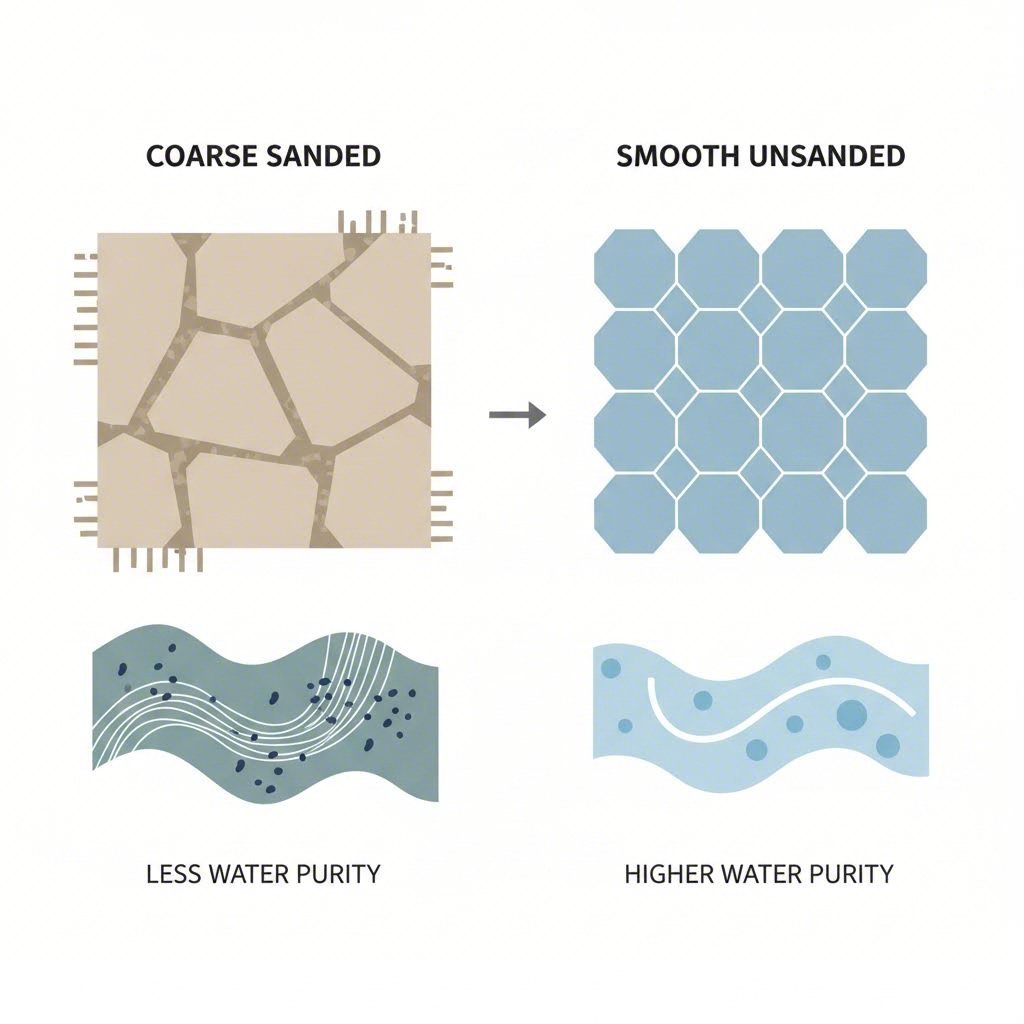
The most critical decision is choosing between sanded and unsanded grout. Sanded grout incorporates fine sand particles, giving it a coarse texture that provides incredible structural strength. You should use sanded grout for any tile joints wider than 1/8 inch, as the sand prevents the mixture from shrinking and cracking as it cures.
On the other hand, unsanded grout omits the sand, resulting in a much smoother, stickier consistency. This variant is ideal for tight joints smaller than 1/8 inch. It is also the mandatory choice for delicate, scratch-prone surfaces like polished marble or glass mosaics, where coarse sand could permanently damage the finish.
Your water source is just as important as the powder itself. While it is tempting to fill your bucket straight from the garden hose, hard water or well water contains heavy minerals. As the grout dries, these minerals are pushed to the surface, creating an unattractive white haze known as efflorescence. For a flawless finish, always use purified or distilled water.
Finally, gather the right tools before you begin. You will need a clean 2-gallon bucket, a margin trowel or grout knife for hand-mixing, and a large, clean sponge. Avoid oversized buckets, as they make it difficult to reach the corners where dry powder tends to hide.
| Feature | Sanded Grout | Unsanded Grout |
|---|---|---|
| Joint Size | Larger than 1/8 inch | Smaller than 1/8 inch |
| Texture | Coarse and grainy | Smooth and sticky |
| Best For | Standard floor and wall tiles | Delicate surfaces (marble, glass) |
| Key Benefit | Prevents shrinkage and cracking | Will not scratch polished tiles |
The Step-by-Step Mixing Process: Water Goes First
When you are ready to start mixing, the sequence in which you combine your ingredients is absolutely crucial. The golden rule of mixing grout is to always pour your water into the bucket first. If you dump the powder in first and pour water over it, you will inevitably create stubborn, dry clumps stuck to the bottom corners of your bucket.
Start by pouring in a small amount of your distilled water, followed by roughly one-quarter to one-half of your dry grout powder. This conservative approach gives you complete control over the consistency. You can always add more powder or water later, but starting with a massive, unmanageable batch usually leads to a ruined mixture.
To mix effectively, tilt your bucket at a 45-degree angle. This simple positional shift allows you to scrape the bottom and sides with your margin trowel, mimicking the folding action of a cement mixer. It gives you a clear view of the mixture, ensuring no dry pockets remain hidden in the crevices.
While power tools might seem like a time-saver, you should strongly consider mixing your grout by hand. Homebuilding experts recommend hand-mixing because it prevents the introduction of air bubbles. Air bubbles are the enemy of strong grout; they weaken the structural integrity of the final cure and can cause unsightly discoloration.
To guarantee a perfect batch, follow this chronological sequence every time you prepare a new bucket:
- Pour a conservative amount of distilled water into the bottom of your clean bucket.
- Add approximately one-quarter to one-half of your dry powder to the water.
- Tilt the bucket at a 45-degree angle to easily access the bottom edges.
- Mix vigorously with your margin trowel, scraping the sides to incorporate all dry pockets.
- Gradually alternate adding small amounts of powder and water until you reach the target texture.
Achieving the Perfect “Peanut Butter” Consistency
The ultimate goal of your mixing efforts is to achieve a very specific tactile texture. While manufacturer instructions provide baseline ratios, environmental factors like room temperature and humidity will force you to adjust on the fly. You must learn to evaluate the grout by sight and touch.
For floor tile installations, your target consistency should resemble smooth, creamy peanut butter. It needs to be pliable enough to spread easily across large areas but thick enough to stay in the joints. For wall tiles, you want the mixture slightly stiffer—similar to soft bread dough—so it does not sag or drip down the vertical surface.
You can test your mixture using a simple physical assessment to ensure it is ready for application:
- The Scoop Test: Grab a handful of the wet grout; it should hold its shape effortlessly without slumping or flattening out.
- The Squeeze Test: Give the mixture a gentle squeeze in your palm. Absolutely no water should leak or drip from your hand.
- The Trowel Test: When you pull your trowel through the bucket, the mixture should fold over smoothly without breaking into dry, crumbly chunks.
The consequences of missing this texture are severe. Grout that is too thin and watery will experience massive shrinkage as it dries, leading to deep cracks and a powdery finish. Conversely, a mixture that is too thick and clumpy will not bond properly to the edges of your tiles, leaving vulnerable gaps where moisture can penetrate.
If you need to make adjustments, do so with extreme caution. If the batch is too wet, simply fold in small scoops of dry powder until it thickens. If it is too dry, do not pour water directly from a cup. Instead, Bob Vila’s tiling guide suggests using a damp sponge to squeeze water in drop-by-drop. This pro-tip prevents you from accidentally over-thinning the batch.
The Crucial Slaking Process and Final Remix
Once you have achieved that perfect peanut butter texture, you might be tempted to start spreading immediately. However, you must pause for the most critical phase of the entire process: slaking. Slaking is a mandatory resting period that lasts between 5 and 10 minutes, and skipping it is the most common DIY tiling mistake.
During this resting phase, a complex chemical reaction occurs within the bucket. The moisture is finally given time to fully permeate the dry cement particles, color pigments, and polymer additives. This resting period allows the chemical bonds to crosslink, ensuring the final product reaches its maximum structural strength and color uniformity.
If you rush the process and apply unslaked grout, the dry polymers will never fully activate. The result is a weak, chalky joint filler that is highly susceptible to chipping, cracking, and severe color variations. The 10 minutes you save by skipping this step will cost you hours of repair work down the line.
After the 5 to 10-minute slaking period has passed, you will notice that the grout has noticeably stiffened in the bucket. This is a completely normal part of the chemical activation process and means the polymers are working exactly as intended.
Do not add any more water to the bucket at this stage. Adding water after slaking will permanently destroy the chemical bonds that just formed, ruining the batch entirely. Instead, use your margin trowel to give the mixture one final, vigorous remix. The physical agitation will break the false set and return the grout to its creamy, workable state, ready for immediate application.
Wrapping Up Your Tile Project
Mastering the art of grout preparation is what separates a sloppy, amateur tile job from a pristine, professional finish. By taking the time to understand your materials and respecting the chemical processes at play, you guarantee a durable, beautiful result.
Remember that patience is your greatest asset during this project. From meticulously adding water drop-by-drop to strictly honoring the slaking period, every careful step contributes to the longevity of your tile joints. Rushing the mixture will only lead to weak bonds and frustrating cracks.
Armed with the right tools, purified water, and a keen eye for that perfect peanut butter texture, you are fully equipped to tackle your tiling project with confidence. Mix carefully, work methodically, and enjoy the flawless, long-lasting tile surfaces you have created.

Frequently Asked Questions
1. What happens if tile grout is too wet?
If your mixture contains too much water, it will shrink significantly as it cures, leading to severe cracking and a weak, powdery finish. Excessively wet grout is also messy to apply, often smearing across tiles and dripping out of vertical wall joints. If your batch is too wet, fold in more dry powder before applying.
2. Can I mix grout by hand?
Yes, hand-mixing with a margin trowel or grout knife is actually the preferred method for most residential projects. Rubi’s professional installation guide notes that hand-mixing prevents the introduction of air bubbles, which can weaken the cured joints and cause color inconsistencies.
3. How long to leave grout before wiping?
After pressing the mixture into the tile joints, you should typically wait 15 to 20 minutes before wiping away the excess with a damp sponge. If you wipe too soon, you risk pulling the wet mixture out of the joints. If you wait too long, the haze will harden onto the tile surface and become incredibly difficult to remove.
4. What is the correct way to mix grout?
The proper sequence is to pour a small amount of distilled water into a bucket first, followed by the dry powder. Mix thoroughly to a peanut butter consistency, let the mixture rest (slake) for 5 to 10 minutes to activate the chemicals, and then give it one final remix without adding any additional water.