
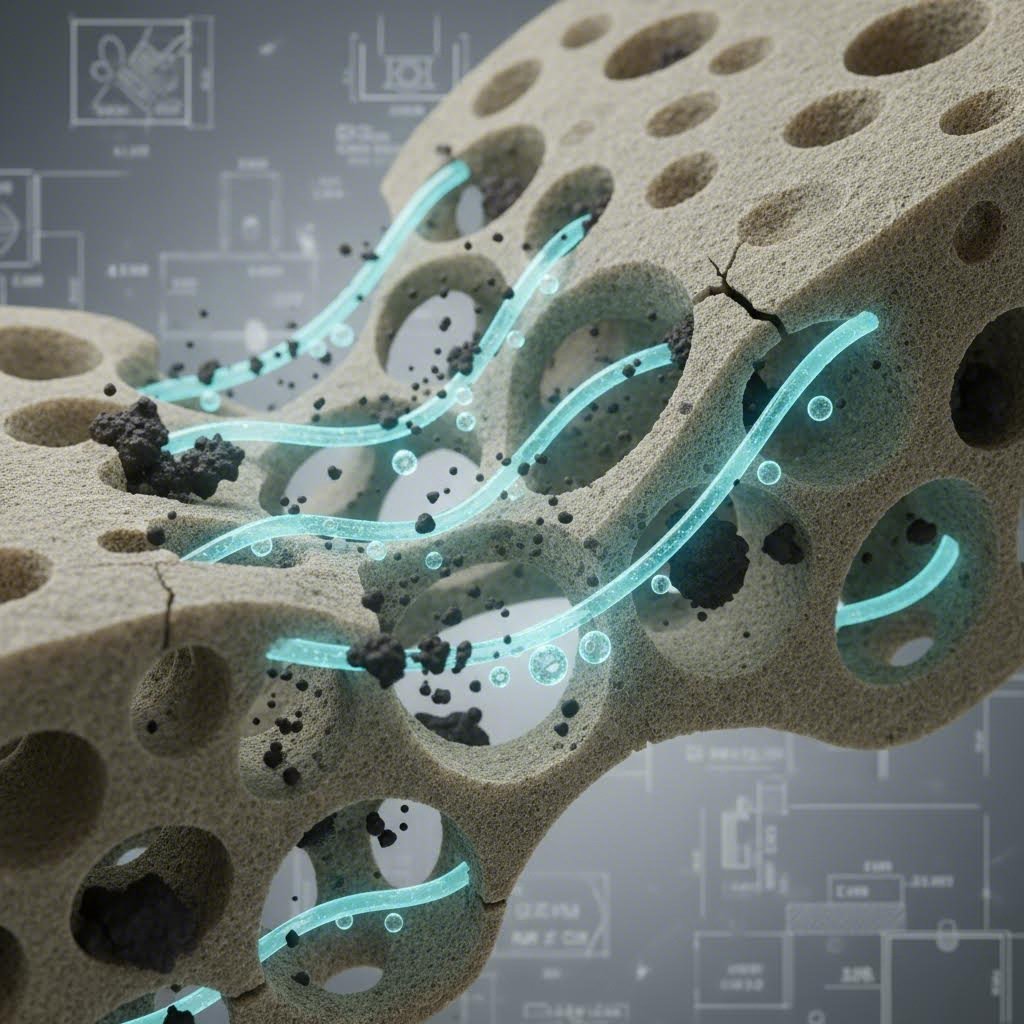
The primary grout discoloration causes stem from the material’s highly porous nature, which acts like a microscopic sponge that absorbs moisture, dirt, and chemical residues over time. Common everyday culprits include mold growth, hard water mineral deposits, and the use of harsh cleaning chemicals that strip away protective sealants. Identifying the exact cause based on the stain’s color is the first step toward effectively restoring and permanently sealing your tile floors.
The Science of Grout Porosity: Why Discoloration Happens
To truly understand why your floors look dingy, you have to look at the fundamental composition of the materials holding your tiles together. Traditional cement-based grout is essentially a mixture of sand, water, and cement. While this combination provides excellent structural stability, it is also inherently porous. Without a protective barrier, these microscopic pores act like a sponge, relying on capillary action to draw in liquids, dirt, and microscopic contaminants from the surface.
Every time you mop, spill a drink, or take a shower, unsealed cement grout absorbs a fraction of that moisture. According to experts at Jim’s Cleaning, this structural porosity is the scientific root of almost all staining issues. As the water evaporates, it leaves behind the solid particulate matter—dirt, soap surfactants, and minerals—trapped deep beneath the surface where surface-level scrubbing cannot reach.
This is precisely why epoxy grout is often recommended for high-moisture areas. Unlike cementitious varieties, epoxy grout is made from resins and a filler powder, making it naturally waterproof and highly resistant to stains. However, because most homes are built with standard cement grout due to cost and ease of installation, vulnerability to discoloration remains a widespread issue.
Furthermore, even if your grout was sealed during installation, that protection is not permanent. Daily wear and tear, especially in high-traffic areas like kitchens and hallways, slowly erodes the sealant. As the barrier breaks down, the grout’s natural porosity is re-exposed to the environment, accelerating the rate at which it absorbs grime.
The practical takeaway is straightforward: applying and maintaining a high-quality penetrating sealer is your baseline defense. By filling the microscopic voids within the cement, a sealer prevents capillary action from pulling contaminants into the matrix, keeping stains on the surface where they can be easily wiped away.
Decoding the Stains: What Different Grout Colors Mean
Not all stains are created equal. The specific hue of your discolored grout acts as a diagnostic map, pointing directly to the chemical or environmental contaminant responsible. By matching the color of the stain to its most likely source, you can stop applying the wrong cleaning methods and target the actual root of the problem.
Dark stains—typically presenting as black, brown, or deep green—are almost always biological or dirt-related. In damp environments like bathrooms, these dark streaks are usually indicative of mold and mildew spores taking root in the porous cement. In dry, high-traffic areas, brown or black discoloration is simply the accumulation of ground-in dirt and shoe traffic over several years.
Yellow or orange discoloration requires a different approach. These warm-toned stains are frequently caused by iron deposits in your water supply oxidizing over time, effectively rusting your grout. Additionally, Carter’s Floor and Surface Care notes that body oils, hair dyes, and the polymers found in common bath toiletries are notorious for leaving behind a stubborn yellow cast, particularly in shower pans.
Conversely, a chalky white haze on dark grout is rarely a stain at all. This phenomenon, known as efflorescence, occurs when moisture travels through the grout substrate, dissolving natural mineral salts. When the water reaches the surface and evaporates, it leaves the white, powdery salt crystals behind. This is especially common in regions with hard water or on newly installed tile.
While diagnosing by color is highly effective for everyday troubleshooting, severe or overlapping stains might require a professional assessment. However, for most homeowners, this simple color-matching framework provides exactly what is needed to choose the correct restoration path.
| Stain Color | Likely Cause | Recommended Action |
|---|---|---|
| Black / Dark Brown | Mold, mildew, or heavy ground-in dirt | High-temperature steam extraction and sanitization |
| Yellow / Orange | Iron oxidation, body oils, or harsh bleach | Descaling treatments or water filtration installation |
| Chalky White | Efflorescence (mineral salt deposits) | Acidic wash (professionally applied) and dry brushing |
| Pink | Serratia marcescens (airborne bacteria) | Disinfecting with pH-neutral antimicrobial cleaners |
Top 5 Everyday Causes of Grout Discoloration
Even with the best intentions, standard household routines often contribute to the gradual darkening of your tile floors. The environment inside a home creates a perfect storm of moisture, friction, and chemical residue. Understanding these daily culprits is essential for breaking the cycle of constant scrubbing.
- Dirt and Foot Traffic: The most straightforward cause is everyday life. Shoes track in microscopic dirt particles, oils from asphalt, and organic matter. Because grout lines sit slightly lower than the tile surface, they act as miniature gutters, collecting this debris every time someone walks across the room.
- Moisture and Humidity: Bathrooms and kitchens are breeding grounds for biological growth. When grout remains wet for extended periods without proper ventilation, mold and mildew spores thrive. This biological growth doesn’t just sit on top; it roots deeply into the porous cement.
- Soap Scum and Toiletries: Every time you shower, a mixture of water, shed skin cells, body oils, and soap surfactants washes down the walls. These sticky surfactants bind to the grout pores, creating a tacky film that actively attracts and holds onto dirt, leading to rapid discoloration.
- Hard Water and Mineral Deposits: Homes with hard water supplies pump high levels of calcium and magnesium out of their taps. As this water dries on shower walls or floors, it leaves behind a scaly, discolored mineral buildup that traditional cleaners cannot dissolve.
- Bad Mopping Habits: Surprisingly, your cleaning routine might be making things worse. As Mr. Steam Tile & Grout Cleaning points out, using the same bucket of mop water for the entire house simply pushes dirty water into the porous grout lines, effectively dyeing them a dingy gray over time.
These factors rarely act alone; they compound over time. For example, a warm, wet environment combined with sticky soap surfactants creates a highly receptive surface for airborne dust and mold spores. Adjusting your daily habits—such as squeegeeing shower walls, using exhaust fans, and changing mop water frequently—can dramatically slow down this compounding effect.

The Hidden Danger: How Improper Cleaning Ruins Grout
It is a frustrating paradox: the very products you buy to clean your tile might be the primary reason your grout looks terrible. The cleaning aisle is filled with aggressive chemicals that offer quick visual fixes but cause devastating long-term structural damage to cement-based materials.
Bleach is the most common offender. Many homeowners reach for bleach to whiten dingy lines or kill mold. While it may temporarily bleach the biological growth invisible, it does not remove the root structure. More importantly, bleach is highly alkaline and corrosive. Over time, it breaks down the structural integrity of the cement, causes white epoxy grout to permanently yellow, and strips away any remaining protective sealers.
Ammonia and highly acidic cleaners (like undiluted white vinegar or heavy-duty bathroom descalers) pose similar threats. According to Citrus Bright, harsh acids eat away at the top layer of the grout. While this might reveal a fresh layer of cement underneath, it leaves the grout significantly more porous, rough, and susceptible to immediate re-staining. It also degrades the surrounding tile glaze.
The chemical reaction between harsh household cleaners and cement is unforgiving. Once the material is chemically burned or the sealers are entirely stripped, the grout becomes a magnet for dirt. This forces you into a vicious cycle: the floor gets dirty faster, so you use harsher chemicals, which damages the grout further.
What Not to Use: Never use straight bleach, ammonia-based solutions, or colored cleaners on unsealed grout. Avoid stiff wire brushes that can scratch the tile and gouge out chunks of the cement matrix.
To safely maintain your floors, transition to pH-neutral cleaners specifically formulated for natural stone and tile. These solutions clean without etching the surface or degrading protective barriers. When deeper cleaning is required, rely on agitation from a soft-bristled brush rather than chemical warfare to lift the dirt.
How to Fix and Restore Discolored Grout
When routine mopping is no longer effective, you need targeted restoration techniques to bring your floors back to life. The correct approach depends entirely on the severity of the staining and whether the grout’s structure has been compromised by harsh chemicals.
For mild, surface-level dirt, a simple DIY paste of baking soda and hydrogen peroxide is highly effective. The peroxide acts as a safe, oxygenating bleaching agent, while the baking soda provides gentle abrasion. Apply the paste, let it dwell for ten minutes to break down the grime, and agitate with a nylon brush before rinsing thoroughly with warm water.
If you are dealing with deep-seated mold or years of compacted dirt, professional hot water extraction (steam cleaning) is the gold standard. High-pressure steam penetrates the pores, melting away sticky soap surfactants and killing bacteria at temperatures exceeding 200 degrees Fahrenheit. The simultaneous extraction vacuum pulls the liquefied grime entirely out of the floor, resetting the surface.
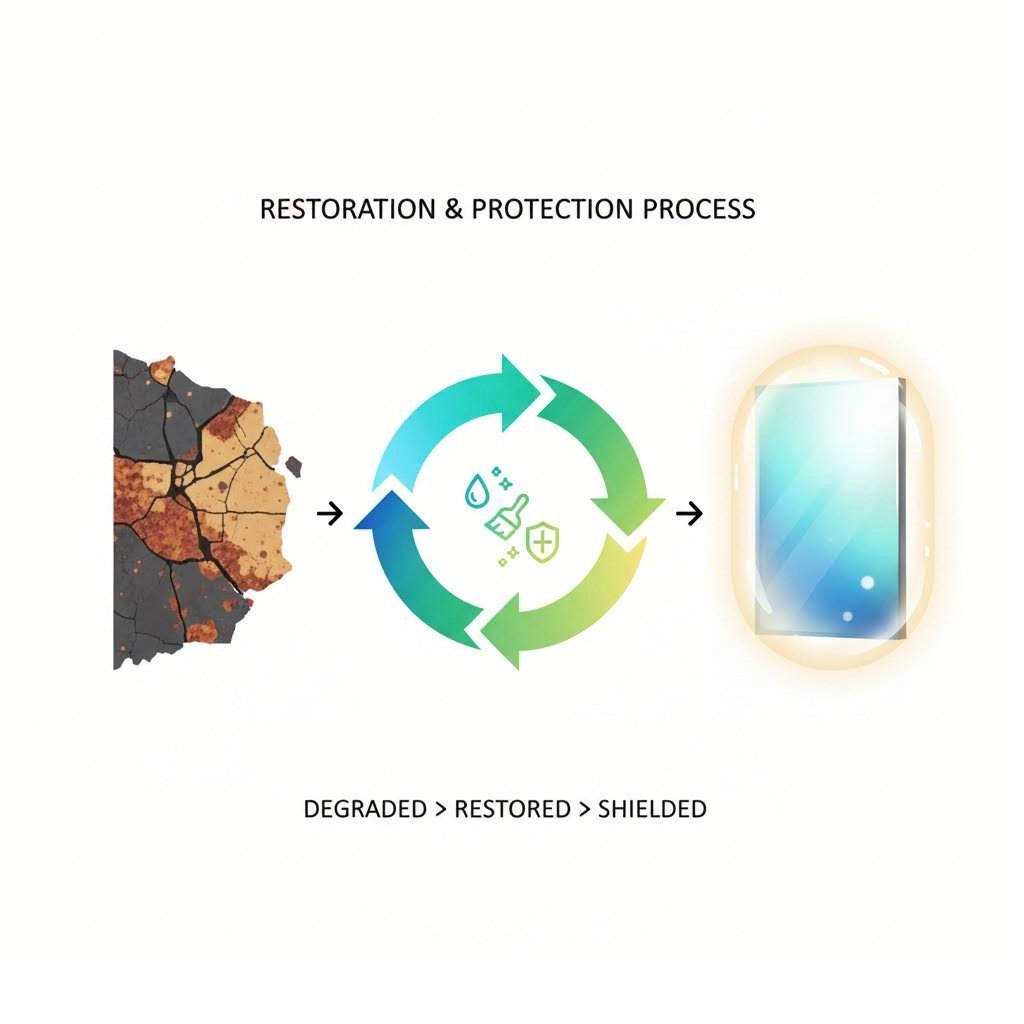
However, if the grout has been permanently stained by iron oxidation, bleached yellow, or chemically etched, no amount of scrubbing will restore its original hue. In these cases, applying a professional-grade colorant is the only permanent solution. As demonstrated by Southern Home and Hospitality, specialized color sealers act as both an acrylic stain and a heavy-duty sealant. They bond directly to the porous cement, completely covering old stains while simultaneously waterproofing the lines against future damage.
If you choose to recolor your grout yourself, follow this proven application protocol to ensure a flawless, long-lasting finish:
- Deep Clean and Dry: Scrub the floors thoroughly with a pH-neutral cleaner to remove all surface oils and dirt. The colorant cannot bond to greasy or damp cement. Allow the floor to dry completely for at least 24 hours.
- Apply the Colorant: Shake the bottle well. Using a small, stiff artist’s brush or a toothbrush, carefully paint the colorant directly into the grout lines, working in small three-foot sections.
- Wipe the Excess: Immediately wipe any stray colorant off the adjacent tile surfaces using a damp cloth or a magic eraser. Once the acrylic stain dries on the tile, it is incredibly difficult to remove.
- Cure the Sealant: Allow the newly painted lines to dry for a full 24 hours before walking on them, and avoid any wet mopping or scrubbing for at least 72 hours to let the sealant fully cure.
Bringing It All Together: Your Path to Pristine Floors
Dealing with dirty tile lines can feel like an endless, frustrating battle, but understanding the underlying grout discoloration causes puts you back in control. By recognizing that porosity is the enemy, you can shift your focus from reactive scrubbing to proactive sealing and protection. The key is to stop treating the symptoms with harsh, damaging chemicals and start addressing the root of the problem.
Whether you are dealing with the yellowing effects of hard water, the dark spread of bathroom mildew, or the graying impact of poor mopping habits, there is a clear, scientific solution available. Diagnosing the stain color allows you to apply the exact right treatment, saving you time, money, and unnecessary physical labor.
Take action today by auditing your cleaning cabinet. Throw away the bleach and acidic descalers, invest in a pH-neutral tile cleaner, and evaluate whether your floors are due for a fresh coat of penetrating sealer or a complete color restoration. With the right techniques and a little patience, you can permanently restore the bright, clean aesthetic of your home’s tile surfaces.
Frequently Asked Questions About Grout Discoloration
1. Why does grout turn brown or yellow?
Grout typically turns brown from a buildup of ground-in dirt, dirty mop water, or biological growth like mold in damp areas. Yellowing, on the other hand, is usually caused by the oxidation of iron in your water supply, the accumulation of body oils and toiletries in showers, or the chemical degradation of the grout from using harsh bleach.
2. How do you fix discolored grout?
The fix depends on the severity. Light stains can be lifted with a paste of baking soda and hydrogen peroxide. Moderate, deeply embedded dirt requires high-pressure steam extraction to pull contaminants from the pores. For permanently stained or chemically damaged grout, applying an acrylic grout colorant will simultaneously recolor and reseal the lines.
3. Why does grout turn black?
Black discoloration is almost exclusively caused by mold and mildew spores that have taken root inside the porous cement. This happens most frequently in poorly ventilated bathrooms or kitchens where the grout remains damp for extended periods, allowing biological growth to thrive deep beneath the surface.
4. Can discolored grout be fixed permanently?
Yes, but it requires addressing the porosity of the material. Once the grout is thoroughly cleaned or recolored, applying a high-quality penetrating sealer is essential. The sealer fills the microscopic pores, preventing liquids and dirt from being absorbed, which provides a long-lasting, permanent defense against future stains.
5. Does bleach cause grout to turn yellow?
Yes, using household bleach is one of the leading causes of yellowing grout. Bleach is highly corrosive and can strip away protective sealers, chemically burn the cement matrix, and cause white epoxy grouts to permanently yellow. It damages the structural integrity of the grout, making it rougher and more prone to trapping dirt.