
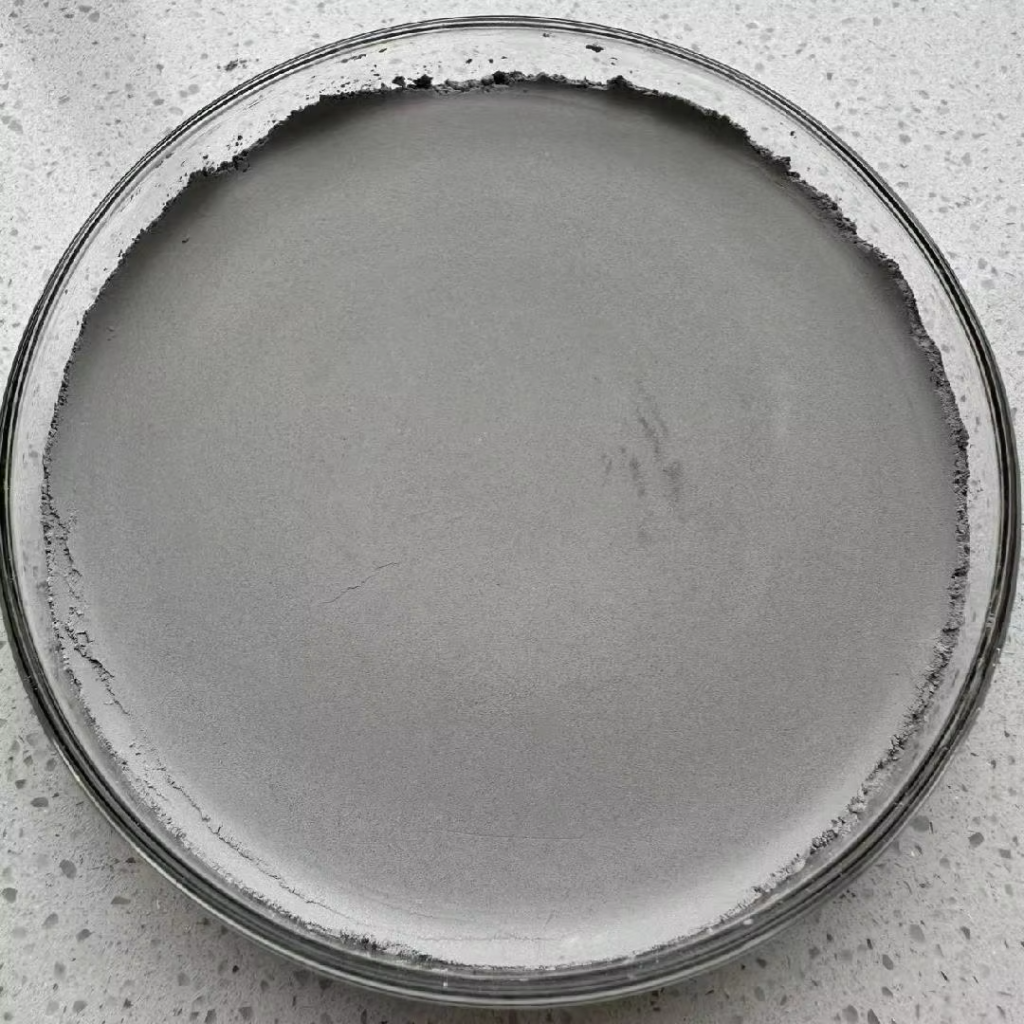
If you are standing in a building materials warehouse or reviewing a structural specification sheet, you are likely facing a fundamental choice: Ordinary Portland Cement (OPC) or Portland Pozzolana Cement (PPC).
Choosing the “wrong” cement isn’t just a matter of price—it impacts the curing speed, the long-term durability of your structure, and its resistance to environmental chemical attacks. There is no universal “winner”; instead, there is a “right” cement for your specific application.
In this guide, you will discover the technical differences, chemical compositions, and practical performance data required to make an informed engineering decision.
1. Defining the Candidates: OPC vs. PPC
Before you can decide which is better, you must understand what is inside the bag.
Ordinary Portland Cement (OPC)
OPC is the traditional “pure” cement. It is manufactured by grinding limestone and other raw materials into clinker and adding a small amount of gypsum.
- Grades: You will typically find OPC in three grades: 33, 43, and 53. These numbers represent the compressive strength in Mega Pascals (MPa) after 28 days of curing.
- Characteristics: High early strength and fast setting times.
Portland Pozzolana Cement (PPC)
PPC is a “blended” cement. It consists of OPC clinker (about 75-80%), gypsum, and Pozzolanic materials (15-25%) such as fly ash, volcanic ash, or calcined clay.
- The “Green” Factor: Because it uses industrial byproducts like fly ash, PPC has a lower carbon footprint than OPC.
- Characteristics: Slower initial strength gain but superior long-term durability and workability.
2. Compressive Strength: The Race vs. The Marathon
One of the most common misconceptions you may encounter is that OPC is “stronger” than PPC. This is technically inaccurate.
Early Strength (The First 7 Days)
If your project timeline requires rapid formwork removal—such as in high-rise columns or precast elements—OPC 53 Grade is the superior choice.
- OPC Performance: Reaches high strength within the first 3 to 7 days.
- PPC Performance: Gains strength more slowly because the Pozzolanic reaction (the fly ash reacting with the calcium hydroxide) takes time to activate.
Ultimate Strength (90 Days and Beyond)
This is where PPC surprises many builders. While PPC starts slow, its strength curve continues to rise long after OPC has plateaued.
- The Fact: In many cases, the 90-day strength of PPC exceeds that of OPC because the fly ash creates a denser, less porous concrete matrix over time.
3. Durability and Chemical Resistance
If you are building in a “harsh” environment—such as a coastal area with salt spray or a city with high sulfate soil—durability is more important than speed.
Heat of Hydration
When you mix cement with water, it generates heat.
- OPC: Generates high heat quickly. In massive pours (like a thick foundation raft), this can cause “thermal cracking” as the inside stays hot while the outside cools.
- PPC: Has a much lower heat of hydration. For you, this means a lower risk of thermal cracks in mass concrete projects.
Impermeability and Sulfate Attack
PPC is naturally more resistant to chemicals.
- The Pozzolanic Effect: The fly ash in PPC reacts with the byproduct of cement hydration (Calcium Hydroxide) and turns it into additional “glue” (C-S-H Gel).
- The Result: This process plugs the microscopic pores in the concrete. It becomes harder for water, chlorides, and sulfates to penetrate the slab. If you are building a basement, a water tank, or a bridge near the sea, PPC is the better choice.
4. Workability and Finish
For those involved in finishing concrete—plastering, masonry, or flooring—the “feel” of the material matters.
- PPC: Known for being more “cohesive” and “creamy.” It is easier to pump and offers a smoother finish for plastering. It also has a lower rate of bleeding (water rising to the surface), which reduces surface dusting.
- OPC: Can be harsher to work with and may require more effort to achieve a smooth finish on decorative surfaces.
5. Comparative Analysis Table
| Feature | Ordinary Portland Cement (OPC) | Portland Pozzolana Cement (PPC) |
| Initial Strength Gain | Very Fast | Slower |
| Heat of Hydration | High | Low |
| Resistance to Chemicals | Moderate | High (Best for Marine/Sewer) |
| Durability | Standard | Superior (Long-term) |
| Cost | Higher | Generally Lower |
| Environmental Impact | High $CO_2$ | Eco-Friendly (Uses Fly Ash) |
| Best Application | High-rises, Bridges, Fast-track projects | Residential, Dams, Plastering, Foundations |
FAQ: Frequently Asked Questions
Q: Can I use PPC for structural columns?
A: Yes, you can. However, you must be prepared to keep the formwork in place for a few days longer than you would with OPC. For residential buildings, PPC is often preferred because it results in fewer cracks over the lifespan of the house.
Q: Which cement is better for a coastal area?
A: PPC is significantly better for coastal regions. Its dense structure and chemical resistance protect the internal steel reinforcement from chloride-induced corrosion, which is the primary cause of concrete failure near the ocean.
Q: Why is OPC more expensive than PPC?
A: OPC requires more energy to produce and uses 100% virgin raw materials. PPC replaces a portion of the expensive clinker with fly ash (an industrial byproduct), which reduces the cost of production—a saving that is usually passed on to you.
Conclusion: The Final Verdict
You should choose OPC if:
- You are building a high-rise or a project with a very tight deadline.
- You need to remove formwork within 24–48 hours.
- You are working in very cold weather where slow-setting cement might freeze.
You should choose PPC if:
- You are building a home, a basement, or a foundation.
- You are concerned about long-term durability and avoiding cracks.
- Your project is in a coastal or chemically aggressive environment.
- You want to reduce the environmental footprint of your construction.
Call to Action (CAT)
Make the Right Choice for Your Structure’s Future.
Don’t let a generic recommendation dictate your project’s longevity. Whether you are specifying cement for a massive infrastructure project or a private residence, understanding the chemistry of your materials is the key to success.
[Download our Cement Selection Matrix] | [Request a Technical Strength Comparison for Your Site]
[Contact Our Materials Engineering Team] | Because strength is earned, but durability is engineered.