
 Uncategorized
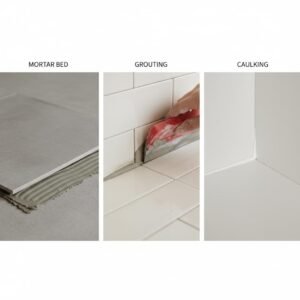
 The material used to fill the spaces between tiles is primarily called grout. It locks the tiles in place, seals out moisture, and provides a finished aesthetic. However, for corners and
 Uncategorized
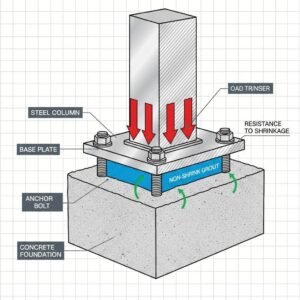
 Non-shrink grouting material is a specialized hydraulic cement or epoxy-based compound engineered to offset the natural shrinkage that occurs during curing. Unlike standard tile grout, which is cosmetic, non-shrink grout is
 Uncategorized
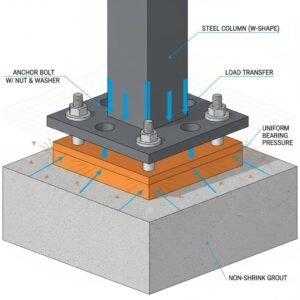
 High-strength non-shrink grout is a specialized hydraulic cement designed to counteract the natural shrinkage of standard concrete, ensuring 100% load-bearing contact between heavy machinery, steel columns, and foundations. Unlike typical
 Uncategorized
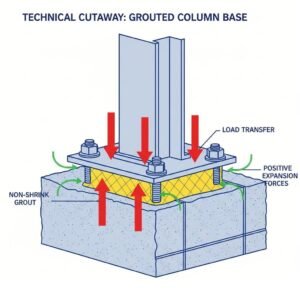
 Cement-based non-shrink grout is a hydraulic cement material formulated with additives that counteract natural curing shrinkage, ensuring it maintains volume for 100% load transfer. Unlike standard mortar, it meets ASTM
 Uncategorized
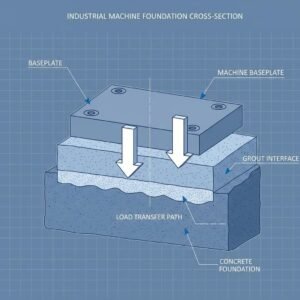
 Non-shrink grout for equipment foundations is a specialized construction material designed to fill the void between a heavy machine’s baseplate and the concrete foundation. Unlike standard concrete, which shrinks as
 Uncategorized
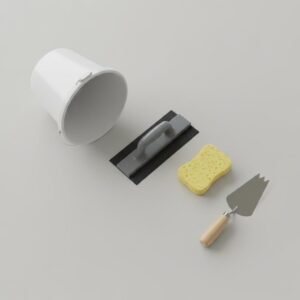
 Grouting floor tiles is a manageable DIY project if you follow the right sequence: prep, mix, float, and sponge. Success starts with choosing the correct grout type (sanded for gaps
 Uncategorized
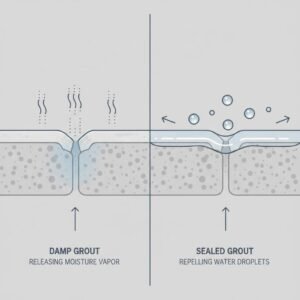
 For most standard cement-based projects, you must wait 48 to 72 hours after installation before sealing grout. This waiting period allows the grout to fully cure and release excess moisture. Sealing too
 Uncategorized
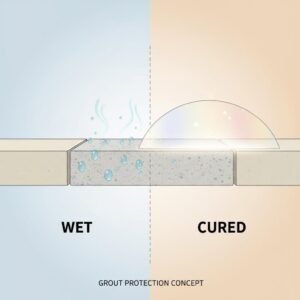
 For most new tiling projects, you must wait 48 to 72 hours for cementitious grout to fully cure before applying sealer. While the grout may look and feel dry to the touch
 Uncategorized
 For shower tile, epoxy grout is the ultimate choice for its unmatched waterproof and stain-proof qualities. However, for a balance of high performance and DIY-friendly application, modern pre-mixed grouts like
 Uncategorized
 Non-shrink grout is a specialized hydraulic cement designed to expand slightly as it cures, counteracting the natural shrinkage that occurs in standard concrete. This unique property makes it the industry