
 BLOG
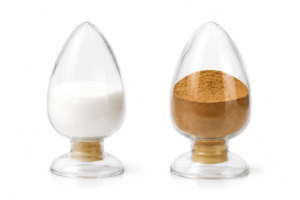
BLOG When it comes to modern concrete formulation, choosing the right chemical admixture is the defining factor between a structural masterpiece and a compromised mix. Among the vast array of concrete
 BLOG
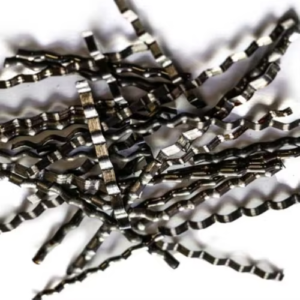
BLOG Introduction Concrete is one of the most widely used construction materials in the world. While it offers excellent compressive strength, traditional concrete has a significant limitation: it is relatively weak
 BLOG
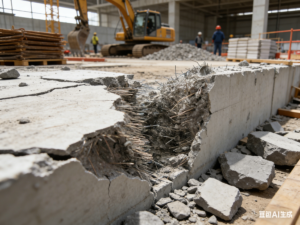
BLOG Introduction In modern civil engineering and infrastructure development, the demand for concrete structures with higher durability, ultimate tensile strength, and superior crack control is increasing rapidly. Standard concrete matrices often
 BLOG
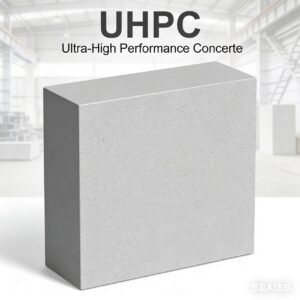
BLOG What Is Ultra-High Performance Concrete and Why It Matters Imagine a concrete so dense that water and chlorides simply cannot penetrate it, so strong that it outperforms conventional mixes by
 BLOG
BLOG If you are standing on a construction site debating whether to skip the steel reinforcement to save on costs or time, you are essentially gambling with the laws of physics.
 BLOG
BLOG If you are planning a new patio, a garage floor, or a driveway, you are likely facing the “rebar debate.” One contractor tells you it’s essential; another claims a “mesh”
 BLOG
BLOG If you have ever stepped onto a small-scale construction site or tackled a residential masonry project, you have likely heard the term “4-2-1 Rule.” In a world of complex chemical
 BLOG
BLOG If you have spent any time on a construction site or browsing DIY engineering forums, you have likely heard the urban legend: “If your concrete is setting too fast, just
 BLOG
BLOG When you look at a massive concrete dam or a skyscraper, it appears indestructible. You likely view concrete as the ultimate symbol of permanence. However, from the perspective of a
When you are designing high-rise structures, long-span bridges, or offshore platforms, High-Strength Concrete (HSC)—typically defined as concrete with a compressive strength exceeding 55 MPa (8,000 psi)—seems like the ultimate solution.