
Learning how to seal grout involves applying a liquid protective coating to your porous grout lines to block moisture, prevent deep stains, and stop mold growth. The process requires thoroughly cleaning and drying the surface, applying an even coat of penetrating or membrane-forming sealer, wiping away the excess, and verifying the seal with a simple water-drop test. By dedicating a few hours to this easy DIY project, you can dramatically extend the life and appearance of your tile floors and walls.
Why Sealing Grout Matters (And Which Types Need It)
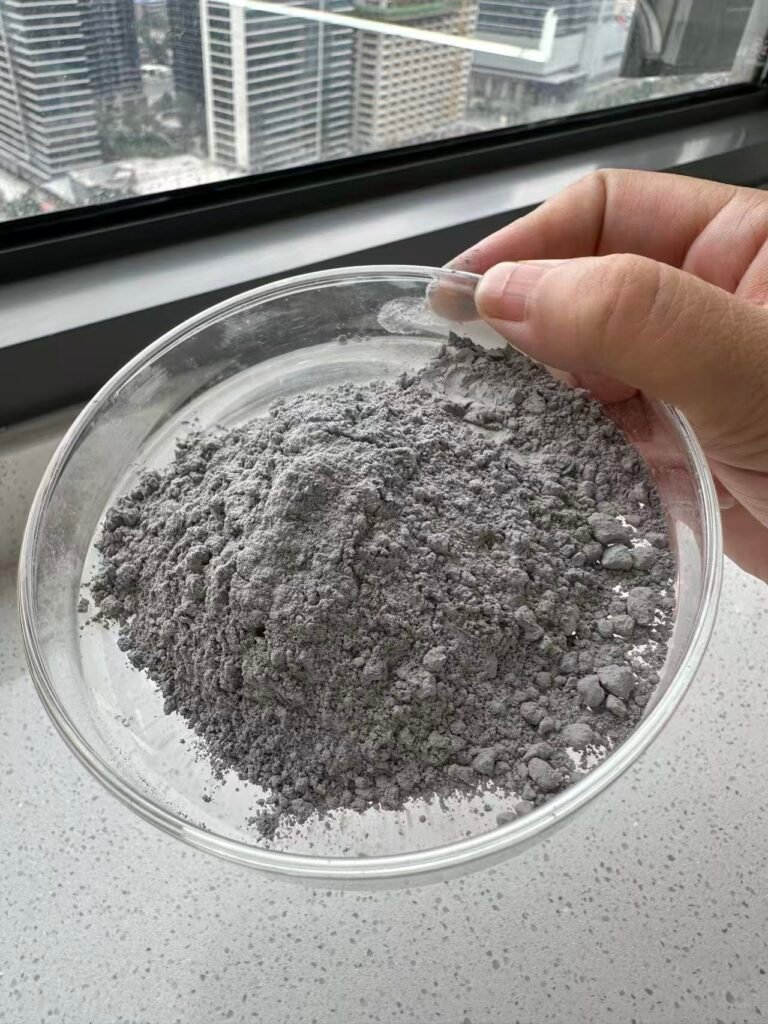
Traditional tile grout is essentially a mixture of cement, limestone, and sometimes sand. While it does an excellent job of locking your tiles in place and keeping debris from falling between the cracks, its natural composition leaves it highly porous. Without a protective barrier, these microscopic pores act like a sponge, eagerly absorbing any liquid they come into contact with.
When moisture, soap scum, cooking oils, and everyday dirt seep into these porous lines, they create the perfect breeding ground for mold and mildew. Over time, this not only leads to unsightly, stubborn stains that are nearly impossible to scrub away, but it can also cause structural degradation. Moisture trapped beneath the tile can weaken the adhesive, leading to loose tiles or even severe water damage to the subfloor.
However, before you rush out to buy sealant, it is critical to determine what type of grout you actually have. Not all grout requires sealing. Traditional cementitious grout—whether sanded or unsanded—absolutely must be sealed to maintain its integrity. On the other hand, modern synthetic grouts, such as epoxy or urethane-based formulas, are naturally non-porous.
If you are unsure what type of grout was used in your home, you can perform a simple tactile test. Run your finger along the grout line. If it feels gritty and porous like concrete, it is likely cement-based and needs a sealer. If it feels exceptionally smooth, hard, and almost plastic-like, you are likely dealing with epoxy grout, which naturally repels water and requires no additional protective coating.
| Grout Type | Composition | Needs Sealing? | Characteristics |
|---|---|---|---|
| Sanded Cementitious | Cement, sand, water | Yes (Mandatory) | Highly porous, gritty texture, used for wider tile joints. |
| Unsanded Cementitious | Cement, water | Yes (Mandatory) | Porous, smooth texture, used for narrow tile joints. |
| Epoxy Resin | Epoxy resins, hardener | No | Non-porous, plastic-like feel, naturally waterproof and stain-resistant. |
| Urethane | Urethane polymer, sand | No | Flexible, highly stain-resistant, pre-mixed and ready to use. |
Choosing the Best Grout Sealer and Applicator
Selecting the right product is just as important as the application itself. Grout sealers generally fall into two main categories: penetrating (or impregnating) sealers and membrane-forming sealers. Penetrating sealers soak deep into the porous material, filling the microscopic voids below the surface while leaving the top layer looking natural. Membrane-forming sealers, conversely, create a physical barrier on top of the grout, which is great for kitchen backsplashes but can turn cloudy in high-moisture areas like showers.
Beyond the type of barrier, you must also choose between water-based and solvent-based formulas. Water-based sealers are eco-friendly, emit low odors, and are generally safer for indoor residential use. Solvent-based formulas penetrate deeply but contain higher levels of volatile organic compounds (VOCs), requiring excellent ventilation. Solvent-based options are typically reserved for extremely high-traffic areas or commercial applications.
Once you have your sealer, you need the right tool to apply it. The applicator you choose will depend heavily on the size of your project and the width of your grout lines. Brush-tip applicators offer excellent precision for narrow lines, while roller-wheel bottles provide a steady, even flow that speeds up floor projects.
For larger surface areas, applying your sealant with a sponge can be an efficient way to cover both the grout lines and porous natural stone tiles simultaneously. However, remember that if you are working with glazed ceramic or porcelain, you will need to wipe the excess sealer off the tile surfaces promptly to prevent a hazy film from forming.
Pros of Brush and Roller Applicators
- Highly precise, keeping sealer off surrounding glazed tiles.
- Ideal for narrow, standard grout lines in bathrooms and kitchens.
- Reduces product waste by applying sealer exactly where needed.
Cons of Brush and Roller Applicators
- Can be incredibly time-consuming for large rooms.
- Brush bristles can occasionally clog or fray, leading to a messy application.
Crucial Preparation: Cleaning and Drying the Grout
The most critical rule of this entire project is simple: never seal dirty grout. Applying a protective coating over dust, grease, or mold will permanently lock those blemishes beneath a waterproof barrier. Once sealed in, no amount of scrubbing will remove the stain, and you will be forced to scrape out the old grout and start over entirely.
For older floors, start by giving the area a thorough sweep and vacuum to remove loose debris. Next, you need a powerful cleaning solution. A highly effective homemade cleaner can be made by mixing two parts baking soda to one part hydrogen peroxide into a thick paste. Apply this mixture to the grout lines, add a drop of dish soap to cut through grease, and let it sit for 10 to 15 minutes before scrubbing aggressively with a stiff-bristled nylon brush.
Be extremely cautious with the cleaning agents you choose. While diluted white vinegar is a popular natural cleaner, its acidic nature can severely etch and permanently damage porous natural stone tiles like marble or travertine. Similarly, heavy use of chlorine bleach can discolor tinted grout over time. Always test your cleaning solution in an inconspicuous corner first.
Drying time is the final, non-negotiable step of your preparation. If you are sealing freshly installed tile, MAPEI recommends waiting at least 48 hours to allow the grout to cure fully before applying any protective coating. For older grout that you have just scrubbed clean, you must wait at least 24 hours to ensure all residual moisture has evaporated from the porous lines. Sealing damp grout will prevent the product from bonding properly, causing the seal to fail prematurely.
Step-by-Step Guide: How to Apply Grout Sealer
With your surface perfectly clean and completely dry, it is time to begin the application phase. Start by preparing your workspace. Open windows and turn on exhaust fans to ensure proper ventilation, especially if you are using a solvent-based product. If you are working near sensitive surfaces like acrylic bathtubs, painted baseboards, or cabinets, use painter’s tape to protect them from accidental drips.
It is worth noting that while the grout requires protection, porcelain and glazed ceramic tiles generally do not need to be sealed themselves. Because of this, you should adopt a methodical approach. Start in the furthest corner of the room and work your way backward toward the door so you do not accidentally step on freshly treated areas.
Work in small, manageable sections—about a three-by-three-foot area at a time. Apply the sealer generously and uniformly along the grout lines. The goal is to saturate the porous material fully so the liquid can penetrate deep below the surface. As you work, you will notice the grout taking on a slightly darker, wet appearance.
Timing is everything during this phase. Most sealers require 10 to 15 minutes to soak into the grout. After this dwell time, you must wipe away any excess liquid that has pooled on the surface or strayed onto the adjacent tiles. Use a clean, dry, lint-free microfiber cloth to gently buff the tiles. If you allow the sealer to dry on glazed tile, it will leave a stubborn, cloudy residue that is notoriously difficult to remove.
- Apply the Sealer: Liberally coat the grout lines using your chosen applicator, working in small sections.
- Let it Penetrate: Allow the product to sit undisturbed for 10 to 15 minutes to soak into the microscopic pores.
- Wipe the Excess: Buff the surrounding tiles with a dry microfiber cloth to remove stray droplets and prevent hazing.
- Apply a Second Coat: Wait 30 to 60 minutes (check manufacturer instructions), then apply a second layer if dealing with highly porous grout.
- Allow to Cure: Keep foot traffic off the floor for at least 2 to 4 hours, and avoid water exposure for a full 24 to 48 hours.
The Water Test and Long-Term Maintenance
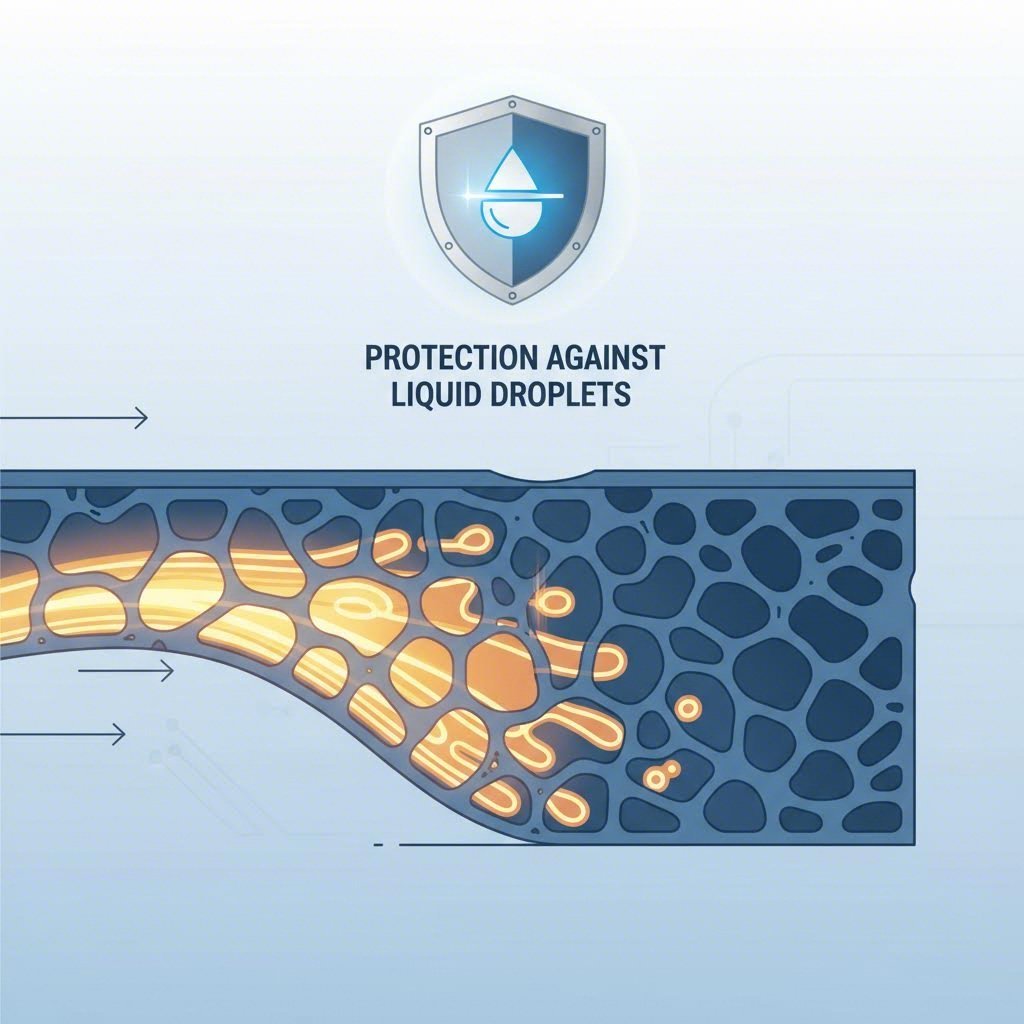
After dedicating time and effort to this project, you need to verify that your protective barrier is actually functioning. The most reliable way to check your work is by performing a simple water-drop test. Once the sealer has fully cured—typically 24 to 48 hours after your final coat—sprinkle a few drops of water directly onto a treated grout line.
Observe how the water reacts. If the droplets bead up tightly on the surface like water on a freshly waxed car, your seal is solid and your tiles are ready for regular use. However, if the water darkens the grout and absorbs into the surface, the material is still porous. In this case, you will need to wipe the area dry, wait an hour, and apply another coat of sealer.
Even the highest-quality penetrating sealers will not last forever. High-traffic areas, harsh chemical cleaners, and daily wear and tear will eventually break down the protective barrier. As a general rule of thumb, you should plan to reseal the grout in heavily used areas, such as shower floors and kitchen backsplashes, every six months to a year. For guest bathrooms and low-traffic floors, resealing every two to three years may be sufficient.
To maximize the lifespan of your newly sealed grout, adopt a gentle maintenance routine. Avoid highly acidic or bleach-heavy floor cleaners, as these will rapidly strip away the sealant. Instead, use pH-neutral soaps and clean up spills immediately before they have a chance to sit on the surface.
- Do wipe up colored spills (like wine or coffee) immediately.
- Do use pH-neutral, non-abrasive cleaners for weekly maintenance.
- Do perform the water-drop test every six months to monitor the seal’s integrity.
- Don’t use stiff wire brushes for routine cleaning, as they can scratch away the sealer.
- Don’t mop with dirty water; change your bucket frequently to avoid pushing dirt back into the grout lines.
Enjoying Decades of Pristine, Stain-Free Tile
Taking the time to properly protect your grout is one of the most rewarding DIY maintenance tasks you can perform in your home. While it requires a bit of patience and elbow grease during the preparation phase, the actual application is straightforward and highly accessible for beginners.
By understanding the porosity of your materials, choosing the right penetrating or membrane-forming product, and meticulously cleaning the surface beforehand, you guarantee a professional-grade finish. This simple weekend project will not only keep your white grout looking pristine but will also protect your home from hidden moisture damage and mold growth.
Remember that consistency is key. Make the water-drop test a regular part of your home maintenance schedule, and reapply your protective coating the moment you notice water beginning to absorb. With these strategies in place, your beautiful tile surfaces will remain vibrant, clean, and structurally sound for decades to come.

Frequently Asked Questions
1. How long should grout dry before sealing?
If you have just installed new tile, you must wait a minimum of 48 to 72 hours to allow the fresh grout to cure completely before applying a sealer. If you are sealing older grout that you have just scrubbed clean, wait at least 24 hours to ensure all residual moisture has evaporated from the porous lines.
2. Do you need to seal epoxy grout?
No, epoxy and urethane-based grouts do not require sealing. Unlike traditional cementitious grout, synthetic epoxy formulas are naturally non-porous. They inherently repel water, resist stains, and block mold growth without the need for any additional protective coatings.
3. How many coats of grout sealer are needed?
Most standard projects require at least two coats for optimal protection, especially if the grout is highly porous. You should always perform a water-drop test after the first coat cures; if the water absorbs into the grout line, a second (or even third) coat is necessary to build a complete barrier.
4. How often should you reseal grout?
The frequency depends heavily on the location and traffic level. High-moisture and high-traffic areas, such as shower surrounds and kitchen floors, should be resealed every six months to one year. For low-traffic areas like guest bathrooms or decorative wall tiles, resealing every two to three years is typically sufficient.