
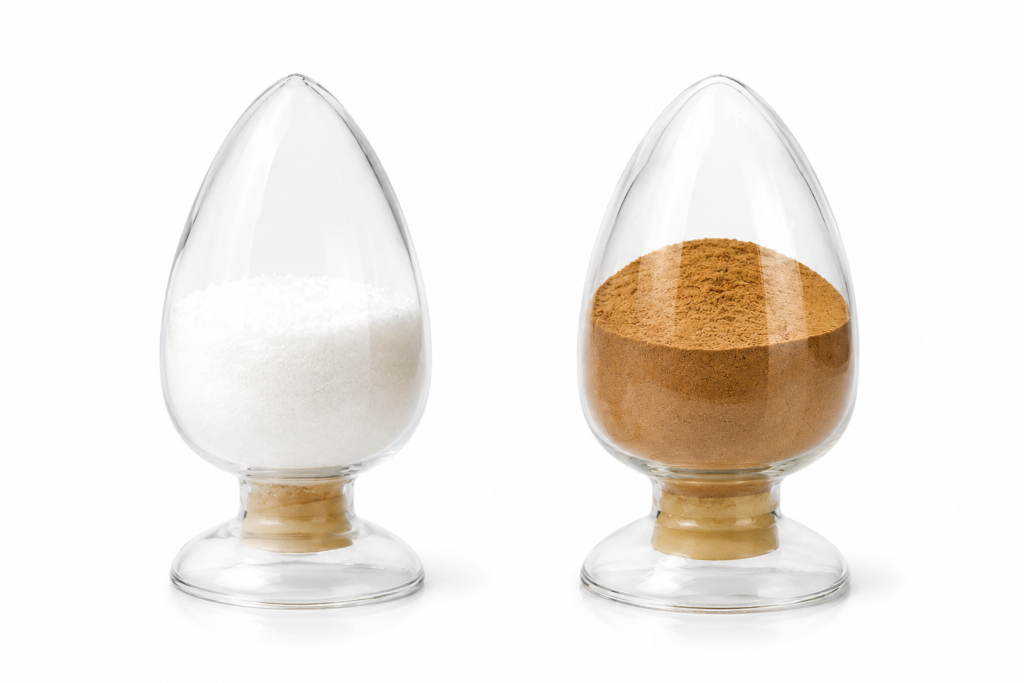
When it comes to modern concrete formulation, choosing the right chemical admixture is the defining factor between a structural masterpiece and a compromised mix. Among the vast array of concrete admixtures, Polycarboxylate High-Performance Water Reducers (PCE) and Naphthalene-Based High-Efficiency Water Reducers (FDN) stand as the two giants dominating the global construction industry.
Whether you are batching concrete for high-speed railways, offshore marine engineering, or standard civil infrastructure, understanding the precise, data-driven differences between these two superplasticizers is critical.
In this comprehensive technical guide, we break down the performance metrics, physical properties, and application scenarios of PCE and FDN based on the latest industry Technical Data Sheets (TDS).
1. What is Polycarboxylate Superplasticizer (PCE)?
Polycarboxylate High-Performance Water Reducer represents the new generation of environmentally friendly, high-performance admixtures. Developed through advanced molecular tailoring, its comb-like structure allows for superior cement dispersion through both electrostatic repulsion and steric hindrance.
Key Performance Advantages:
- Unmatched Dispersion & Plasticizing: Enables high-quality, flowing concrete with excellent pumpability and minimal slump loss over time.
- Eco-Friendly & Safe: Completely chloride-free, ensuring zero corrosion risk to steel reinforcement bars.
- Enhanced Concrete Durability: Drastically improves concrete impermeability, minimizes drying shrinkage, and extends the structural lifespan.
2. What is Naphthalene Superplasticizer (FDN)?
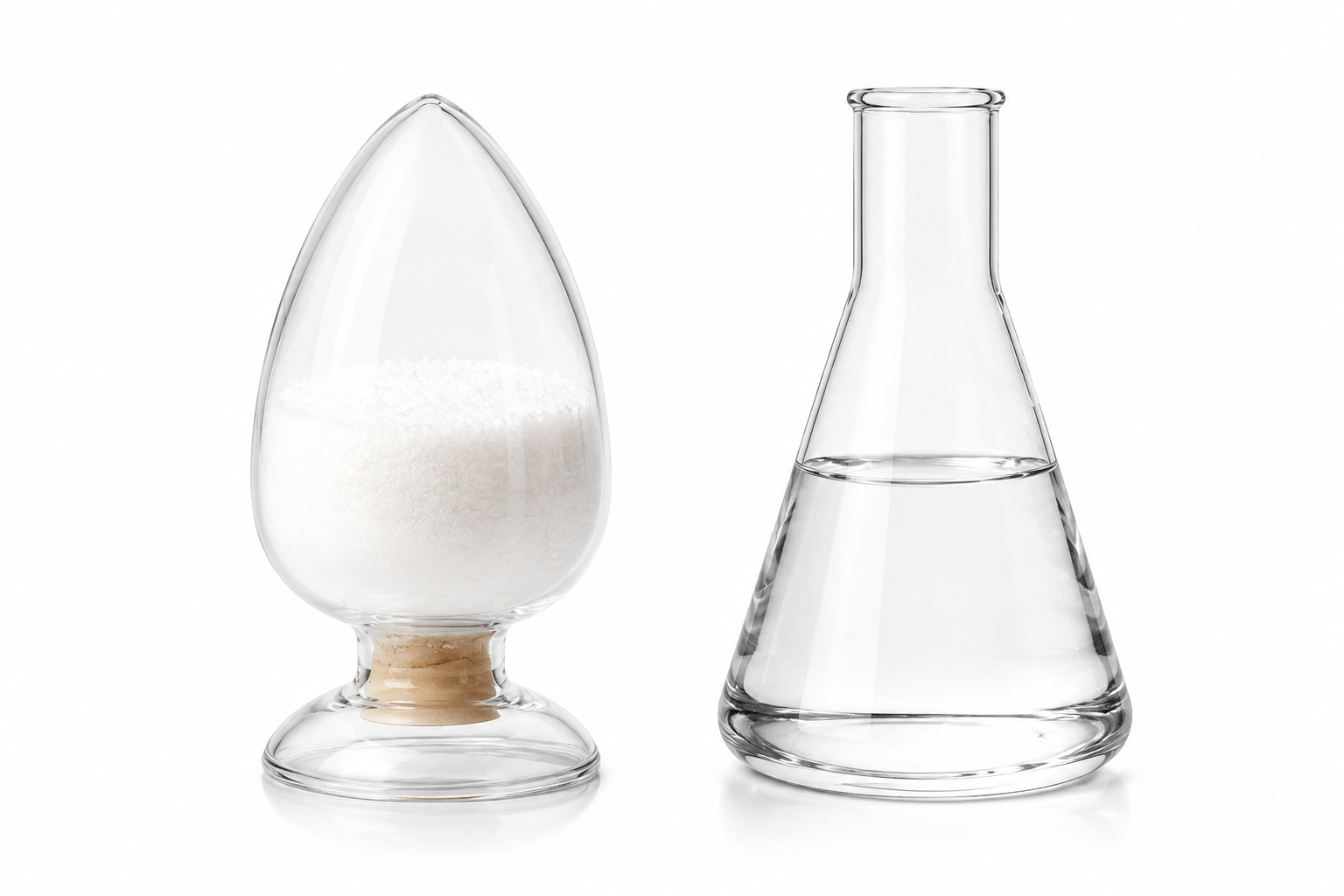
FDN High-Efficiency Multifunctional Water-Reducing Agent is a time-tested, naphthalene-based polymer blended with highly effective functional components. It disperses cement particles primarily via electrostatic repulsion, significantly reducing the water-to-cement ratio while optimizing the internal matrix of hardened concrete.
Key Performance Advantages:
- Cost-Efficient Performance: Delivers substantial water reduction and high early-strength development at a highly competitive price point.
- Excellent Workability: Increases concrete slump by 10 to 20 cm without causing bleeding or segregation.
- Broad Adaptability: Highly suitable for traditional precast or cast-in-place reinforced and prestressed concrete structures.
3. Head-to-Head Technical Data Comparison
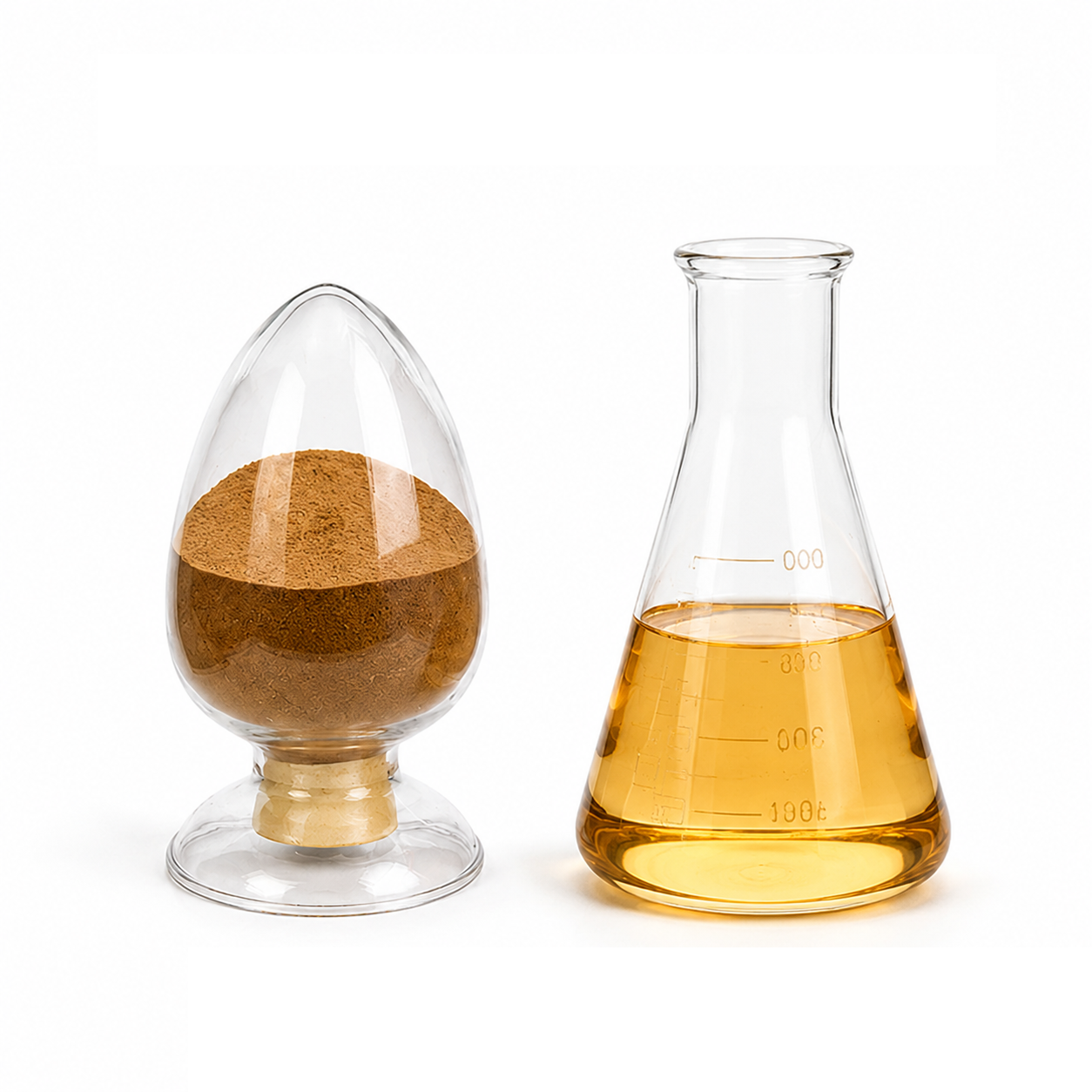
To help concrete engineers and procurement managers make informed decisions, here is the direct performance breakdown derived from official factory Technical Data Sheets (TDS):
| Performance Item | SY-PA Type Polycarboxylate (PCE) DOCX | Ultra-Early-Strength Polycarboxylate (PCE) DOCX | FDN Naphthalene Superplasticizer DOCX |
| Recommended Dosage (by mass of cementitious materials) | Powder: 0.16% – 0.3% Liquid: 0.8% – 2.0% | Subject to on-site tests | Powder: 0.5% – 1.0% Liquid: 1.5% – 3.0% |
| Water Reduction Rate | ≥ 25% (Scales higher with dosage) | ≥ 45% | 15% – 25% |
| Compressive Strength Ratio | Excellent strength enhancement | 1d: ≥270%, 3d: ≥200% 7d: ≥170%, 28d: ≥150% | 3d: ≥130%, 7d: ≥125% 28d: ≥120% |
| Air Content | Low / Optimized | Low / Optimized | ≤ 3.0% |
| 28d Shrinkage Ratio | Greatly reduced shrinkage | Greatly reduced shrinkage | ≤ 135% |
| Slump Retention | Minimal loss, high plasticizing | Optimized for fast demoulding | Slump increases by 10–20 cm |
| Cement Saving | Highly Optimized | Highly Optimized | 10% – 20% cement saving |
4. Deep Dive: Key Technical Differences
Water Reduction & Dosage Efficiency
Polycarboxylate (PCE) exhibits a clear scientific superiority in dosage efficiency. With a powder dosage as low as 0.16% – 0.3%, it achieves a water reduction rate of ≥25%. For extreme engineering demands, Ultra-Early-Strength PCE spikes up to an astonishing ≥45% water reduction. Conversely, Naphthalene (FDN) requires a higher powder dosage of 0.5% – 1.0% to hit a maximum 15% – 25% water reduction rate.
Strength Evolution & Curing Mechanics
- PCE (Ultra-Early-Strength Type): Engineered specifically to eliminate the need for costly steam curing. It achieves a 1-day compressive strength ratio of ≥270%. It guarantees a demoulding time of ≤12 hours with a demoulding strength of ≥30 MPa, making it the ultimate choice for fast-track precast element manufacturing.
- FDN Naphthalene: Offers steady, reliable strength gains, achieving a 3-day strength ratio of ≥130% and reaching ≥120% by day 28, which perfectly accommodates standard concrete curing timelines.
5. Application Matching: Which One Should You Choose?
Choose Polycarboxylate (PCE) for:
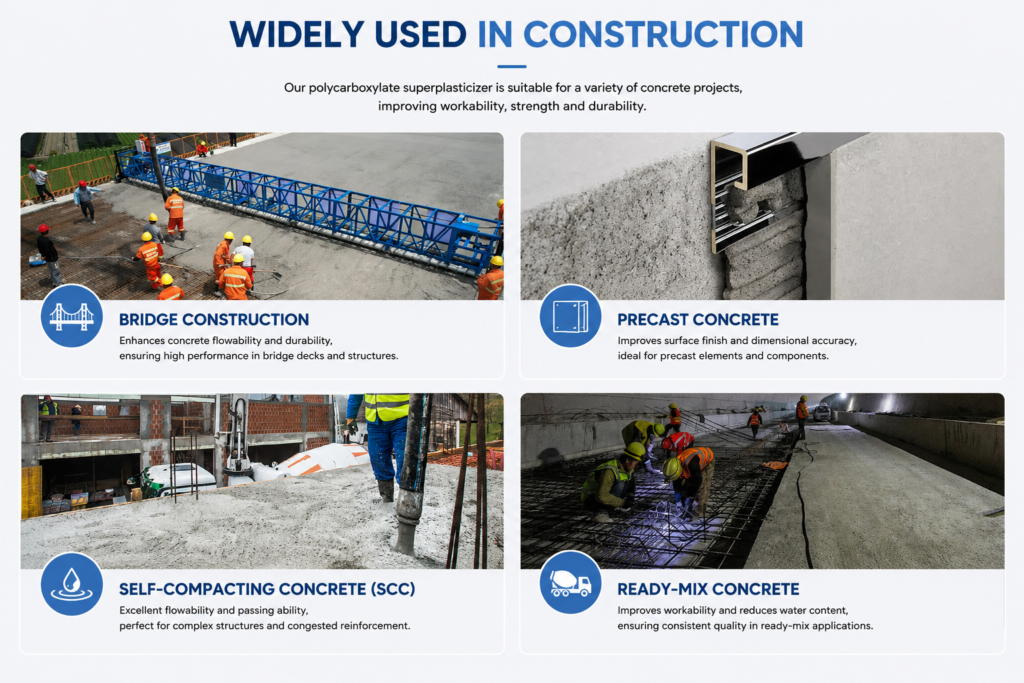
- Mega Infrastructure: Projects demanding exceptional structural integrity, such as high-speed railways, major cross-sea bridges, and airport runways.
- Marine & Coastal Engineering: PCE features specialized formulations capable of handling seawater and sea-sand concrete. It successfully combats the rapid slump loss and degradation typically caused by harsh marine environments, making it ideal for deep-sea engineering, fence panels, and twisted king blocks.
- High-Strength, Low-Water Mixes: Critical for self-consolidating, highly pumpable concrete formulations.
Choose Naphthalene (FDN) for:
- General Construction: Widely relied upon for civil housing, industrial factory foundations, commercial real estate, and municipal precast components.
- Cost-Driven Projects: Ideal when standard high-strength, frost-resistant, or impermeable concrete is required without the premium cost of advanced molecular polymers.
6. Packaging, Storage, and Shelf Life Guidelines
Both PCE and FDN share identical, strict industrial handling protocols to preserve their chemical efficacy:
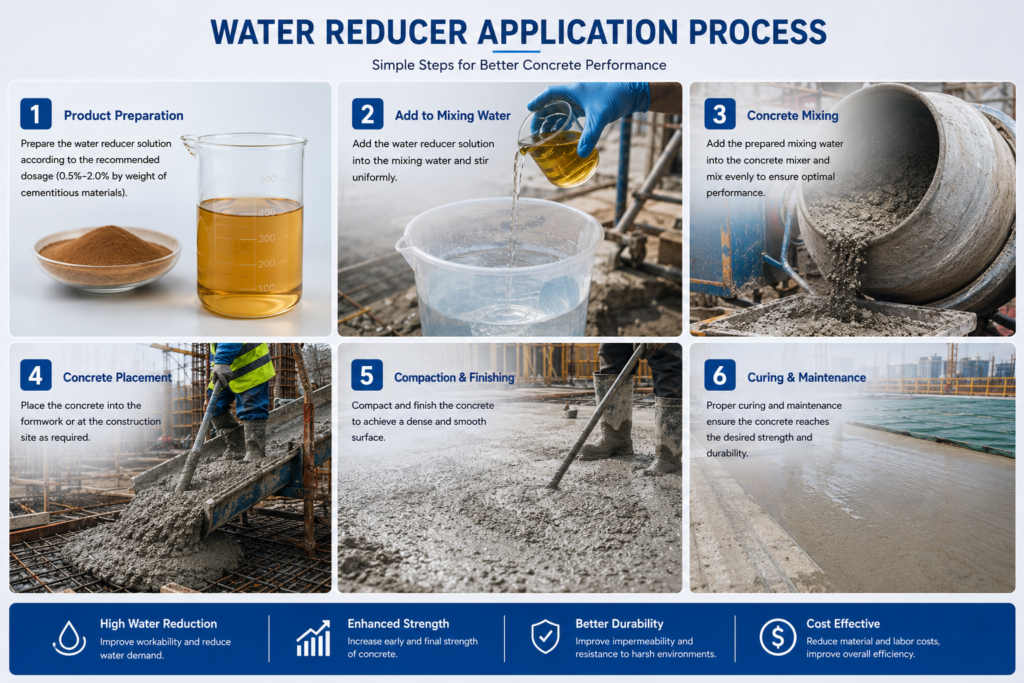
- Packaging: Distributed in durable laminated woven plastic bags or delivered in bulk quantities.
- Storage: Must be stored in a dedicated dry environment and strictly protected from moisture ingress.
- Shelf Life: Guaranteed for six (6) months from the production date.
Important Technical Note: Once a package is opened, the product must be used immediately. If the 6-month shelf life has expired, the chemical admixture must undergo a full laboratory retest and can only be introduced into concrete batching after passing all quality control criteria.
Conclusion: Partner with a Premier Concrete Chemical Manufacturer
Selecting the ideal concrete water reducer requires balancing precise technical parameters with project economics. At Hubei Qiandao New Materials Co., Ltd., we manufacture and supply world-class Polycarboxylate and Naphthalene superplasticizers tailored to your project’s unique environmental challenges.
Are you looking to optimize your concrete mix design, boost early strength, or cut down cement costs?
👉 Explore Our Full Range of Concrete Admixtures in Our Shop
👉 Contact Our Technical Support Team for On-Site Testing Guidance
Disclaimer: The data and information provided in this document are based on our current understanding and laboratory experience. They are subject to modification without prior notice as new innovations emerge. Customers are responsible for verifying product suitability through independent on-site testing.