
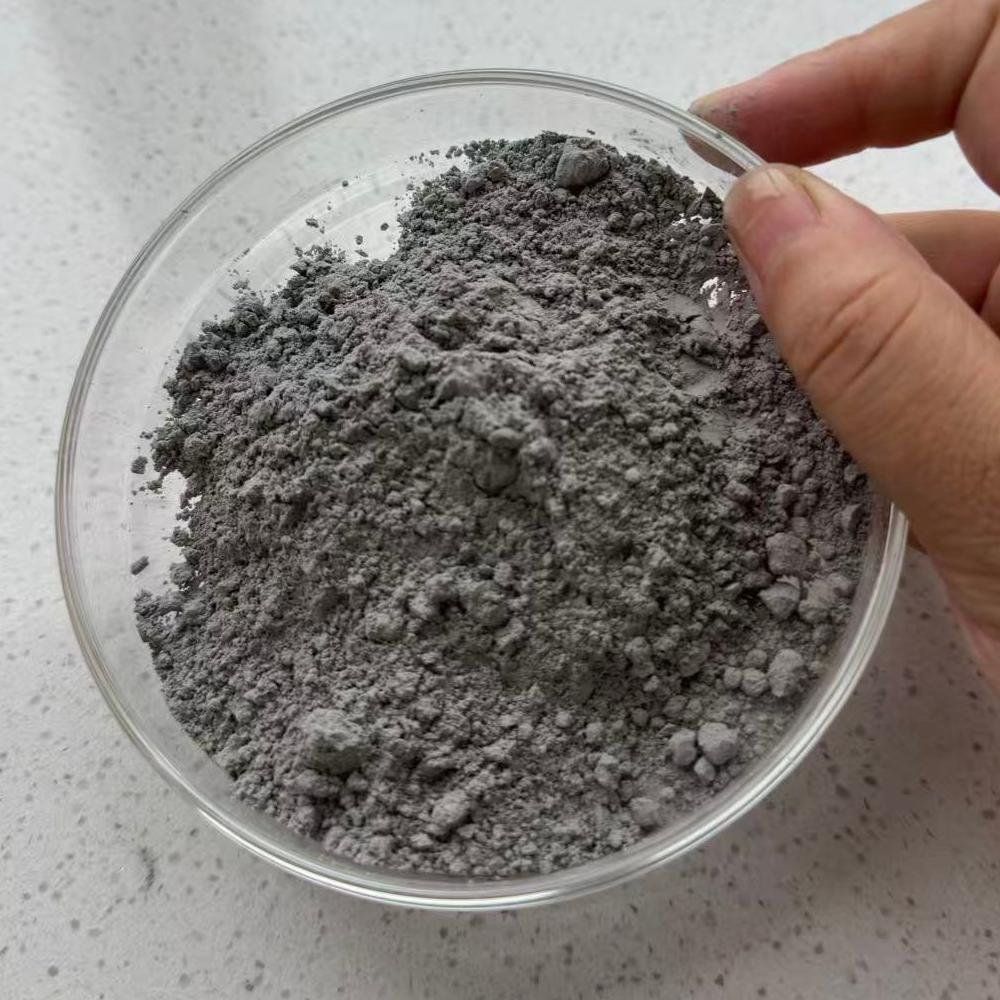
Cementitious grout is a traditional, highly versatile construction material composed of cement, water, and aggregates, primarily used to fill voids, reinforce structures, and seal gaps between tiles. Because it cures through a chemical hydration process, it offers excellent compressive strength and structural stability. Available in sanded, unsanded, and polymer-modified variants, it remains a cost-effective and easy-to-apply solution for both residential tiling and heavy-duty industrial anchoring, though it requires proper sealing to resist moisture and stains.
What is Cementitious Grout? Composition and Core Properties
At its core, cementitious grout is a specialized, flowable mixture designed to fill the spaces between tiles or structural elements, locking them together while providing a finished, durable surface. Unlike standard mortar or concrete, which are designed to bind building materials together or form primary structures, grout is specifically formulated to flow into tight spaces and harden without shrinking. This unique characteristic makes it an indispensable component in both residential aesthetic applications and heavy-duty commercial construction.
The fundamental composition of this material is relatively straightforward but highly effective. It consists primarily of Portland cement, water, and specific color pigments. Depending on the intended application, it also incorporates varying sizes of aggregates—most commonly silica sand—to provide bulk and structural integrity. Modern formulations frequently include advanced chemical additives and polymers, which are introduced to enhance flexibility, reduce water absorption, and improve the overall bonding strength of the mixture.
The hardening process of cement-based grout is driven by hydration, a chemical reaction that occurs when the cement powder comes into contact with water. During this reaction, the cement particles form crystalline bonds that interlock with one another and the surrounding surfaces. This hydration process is what gives the material its impressive structural rigidity. According to industry experts discussing structural grout applications, achieving the correct water-to-cement ratio is critical, as it directly impacts the final compressive strength and ensures the material can safely transfer heavy loads across foundations.
One of the most critical properties of high-quality cementitious grout is its non-shrink characteristic. Traditional cement mixtures tend to contract slightly as water evaporates during the curing phase, which can lead to micro-cracking and structural instability. To counteract this, non-shrink grouts are engineered with expansive agents that compensate for this natural shrinkage, ensuring the material maintains its original volume and provides a tight, secure fill inside voids or under machine baseplates.
When evaluating the core ingredients, it is helpful to understand the specific role each component plays in the final product:
- Portland Cement: Acts as the primary binder, creating the chemical reaction necessary for hardening and strength development.
- Aggregates (Sand): Provides structural bulk, reduces shrinkage, and increases the compressive strength for wider joints.
- Water: The activating agent that initiates the hydration process and dictates the flowability of the mixture.
- Polymers and Additives: Enhance flexibility, improve color retention, and increase resistance to moisture and chemical degradation.
- Pigments: Provide aesthetic versatility, allowing the grout to match or contrast with surrounding tile installations.
Types of Cementitious Grout: Sanded, Unsanded, and Polymer-Modified
Selecting the correct type of cementitious grout is fundamental to the success and longevity of any installation. The industry categorizes these mixtures into three primary variants based on their aggregate content and chemical enhancements. Using the wrong type can lead to severe structural failures, such as the material crumbling out of wide joints or scratching the surface of delicate, highly polished tiles.
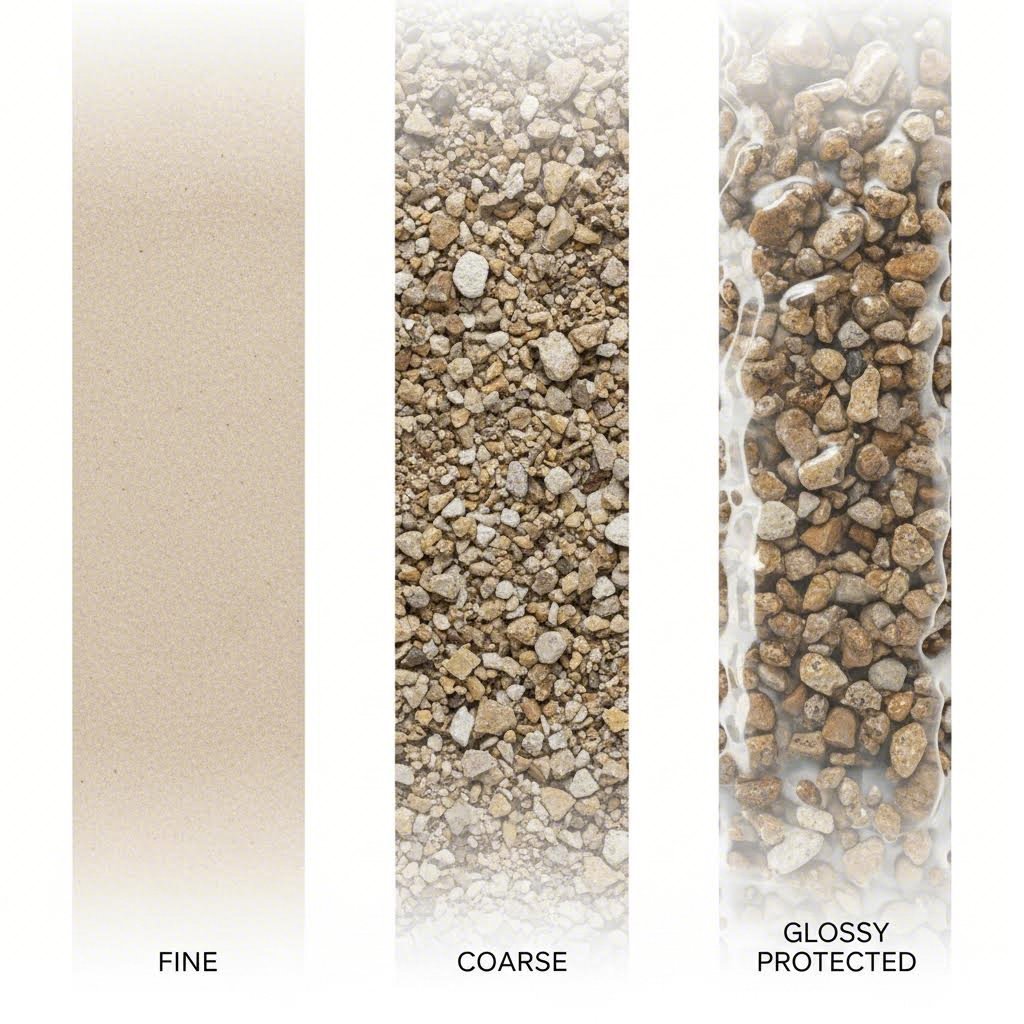
Unsanded grout is a smooth mixture containing only Portland cement, powdered pigments, and water. Because it lacks bulky aggregates, it has a very fine, creamy texture that makes it perfect for narrow spaces. It is strictly recommended for grout joints that are less than 1/8 inch (approximately 3mm) wide. Its smooth consistency ensures it can be easily worked into tight gaps without leaving voids. Furthermore, unsanded grout is the mandatory choice for easily scratched surfaces, such as polished marble, glass tiles, or metal-finished ceramics, where the abrasive nature of sand would cause irreparable damage.
Sanded grout, conversely, incorporates fine silica sand into the dry mixture. The addition of sand acts as a structural reinforcement, much like rebar in concrete, preventing the grout from shrinking and cracking as it cures in larger spaces. This variant is required for any grout joint measuring 1/8 inch or wider. The sand provides the necessary bulk to hold the mixture together, making it the standard choice for most floor tile installations, heavy traffic areas, and exterior applications where structural integrity is paramount.
Polymer-modified cementitious grout represents a significant advancement in material science. By integrating liquid latex or dry polymer additives into either sanded or unsanded mixes, manufacturers have created a hybrid product that overcomes many of the traditional limitations of cement. These polymers form a flexible microscopic film within the grout matrix, significantly reducing water absorption and providing a degree of flexibility that helps the grout withstand minor structural movements and temperature fluctuations without cracking.
| Grout Type | Joint Size Suitability | Best Applications | Key Characteristics |
|---|---|---|---|
| Unsanded | Less than 1/8 inch (<3mm) | Wall tiles, glass, polished marble | Smooth texture, non-scratching, higher shrinkage in large gaps |
| Sanded | 1/8 inch to 1/2 inch (3mm – 12mm) | Floor tiles, wide joints, heavy traffic | Textured finish, high strength, resists shrinking and cracking |
| Polymer-Modified | Varies (available in both) | Wet areas, fluctuating temperatures | Enhanced flexibility, lower water absorption, stronger bond |
Cementitious Grout vs. Epoxy Grout: A Comprehensive Comparison
When planning a tiling or construction project, the debate between cementitious and epoxy grout frequently arises. While cement-based products have been the industry standard for decades, epoxy grout has gained immense popularity due to its distinct chemical makeup. Understanding the fundamental differences between these two materials is essential for balancing budget constraints with long-term performance requirements.
The primary distinction lies in how the materials cure. As noted in comprehensive comparisons of grout chemistry, cementitious grout cures through hydration, relying on water to activate the cement. Epoxy grout, however, is a two- or three-part reactive system consisting of epoxy resin, a hardener, and an aggregate. When these components are mixed, they undergo a chemical polymerization process that results in a solid, plastic-like material that is exceptionally dense and entirely non-porous.
Durability and moisture resistance are the areas where epoxy significantly outperforms its cementitious counterpart. Because cement grout is naturally porous, it readily absorbs water, oils, and dirt if not properly and regularly sealed. This makes it susceptible to staining, mold growth, and chemical degradation over time. Epoxy grout requires no sealing whatsoever. It is inherently waterproof, highly resistant to harsh cleaning chemicals, and completely immune to the stains that commonly plague kitchen and bathroom installations. For commercial kitchens or high-moisture industrial environments, epoxy is often the mandatory choice.
However, cementitious grout maintains a strong competitive advantage regarding cost and ease of installation. Epoxy grout is considerably more expensive, often costing three to four times as much as cementitious options. Furthermore, epoxy has a very short “pot life”—the amount of time it remains workable before hardening. It requires precise mixing ratios, specialized application techniques, and immediate cleanup, as dried epoxy is nearly impossible to remove from tile surfaces. In contrast, cementitious grout is highly forgiving, easy to mix, and simple to clean, making it the preferred choice for standard residential projects and DIY enthusiasts.
For a clearer understanding of how these materials stack up against each other, consider the following feature matrix:
| Feature | Cementitious Grout | Epoxy Grout |
|---|---|---|
| Composition | Cement, water, aggregates | Epoxy resin, hardener, aggregates |
| Porosity | High (requires regular sealing) | Completely non-porous (no sealing needed) |
| Stain Resistance | Low to moderate | Exceptionally high |
| Installation Difficulty | Easy and forgiving | Difficult, requires professional precision |
| Cost | Highly affordable | Expensive premium product |
| Best For | Living rooms, bedrooms, standard walls | Commercial kitchens, swimming pools, heavy moisture |
Key Applications: From Tiling to Heavy Construction
The versatility of cementitious grout extends far beyond the aesthetic filling of tile joints in a residential bathroom. Its unique flowability and high compressive strength make it a critical material across a wide spectrum of construction disciplines, ranging from delicate decorative finishes to massive infrastructural engineering projects.
In residential and commercial tiling, cement grout is the undisputed champion for dry and low-moisture environments. As detailed in guides covering tile installation materials, it is the ideal choice for living room floors, bedroom walls, and hallway entries. Its wide availability in countless colors allows designers to seamlessly blend the grout lines with the tile or create striking geometric contrasts, enhancing the overall visual appeal of the space.
Beyond aesthetics, structural cementitious grout plays a vital role in heavy construction. Because it can be mixed to a highly fluid consistency without sacrificing its final hardened strength, it is used extensively for anchoring heavy machinery baseplates to concrete floors. The grout flows into the microscopic voids between the metal plate and the concrete foundation, curing into a rock-solid, non-shrink pad that evenly distributes the immense weight and dynamic vibrations of industrial equipment, preventing mechanical failure.
For construction professionals seeking specialized solutions, Qiandao New Materials offers a comprehensive line of high-performance grouting materials. Their products deliver key benefits like high strength, non-shrink, and low-bleeding properties, ideal for demanding applications from prefabricated buildings to rebar connection sleeves and prestressing. Utilizing engineered materials in these critical structural junctions ensures that the building framework can withstand extreme environmental and load-bearing stresses over decades of use.
Other critical applications of this versatile material include:
- Underpinning and Foundation Repair: Pumped into subterranean voids to stabilize sinking foundations and restore structural integrity to aging buildings.
- Precast Concrete Connections: Filling the joints between prefabricated concrete panels to create a unified, load-bearing wall system.
- Bridge Bearing Pads: Providing a level, high-strength transition layer between concrete bridge piers and the steel superstructure.
- Void Filling: Safely sealing abandoned underground pipes, tunnels, or sinkholes to prevent future ground collapse.

Best Practices for Mixing, Application, and Maintenance
Even the highest quality cementitious grout will fail if it is not mixed, applied, and maintained correctly. The majority of structural and aesthetic issues, such as crumbling, color inconsistency, and cracking, can be traced back to improper handling during the installation phase rather than a defect in the material itself.
The most common and destructive mistake made during installation is introducing too much water into the dry mix. While a thinner consistency may seem easier to spread, excess water dilutes the cementitious bonds and severely compromises the material’s structural integrity. According to experts focused on troubleshooting cracked grout, over-watering leads to excessive shrinkage as the water evaporates, resulting in severe cracking, a powdery surface texture, and a drastic reduction in compressive strength. Always measure water precisely according to the manufacturer’s exact specifications.
Proper curing is another critical, yet frequently overlooked, phase of the process. Cementitious grout does not “dry”—it cures through a chemical reaction that requires moisture. If the grout loses its moisture too rapidly due to hot temperatures, direct sunlight, or dry winds, the hydration process halts prematurely, leaving the grout weak and brittle. It is essential to protect the installation from extreme heat and, in some cases, lightly mist the surface with water during the first 24 to 48 hours to ensure a slow, strong cure.
Because cement-based grout is inherently porous, post-installation maintenance is non-negotiable if you want to preserve its appearance and structural integrity. Once the grout has fully cured (typically after 48 to 72 hours, depending on ambient conditions), a high-quality penetrating sealer must be applied. This sealer soaks into the microscopic pores of the grout, creating an invisible barrier that repels water, oils, and dirt, preventing deep-seated stains and inhibiting the growth of mold and mildew.
To ensure a flawless application, follow this standardized step-by-step process:
- Substrate Preparation: Thoroughly clean all joints, removing dust, thin-set mortar protruding from the tile edges, and any oily residues that could inhibit bonding.
- Precision Mixing: Add the dry grout powder to the exact measured amount of clean, cool water. Mix mechanically at a low speed to avoid introducing air bubbles, until a smooth, peanut-butter-like consistency is achieved.
- Slaking: Allow the mixture to rest undisturbed for 5 to 10 minutes. This “slaking” period allows the water to fully penetrate the dry ingredients and activates the chemical polymers. Remix briefly before application.
- Application: Using a hard rubber float, press the grout firmly into the joints at a 45-degree angle, ensuring the gaps are packed completely full without any underlying air pockets.
- Initial Cleanup: After the grout has begun to set (usually 15-30 minutes), use a damp—not wet—sponge to gently wipe away the excess material from the tile surface, being careful not to drag grout out of the joints.
- Final Polish and Sealing: Once a dry haze forms on the tiles, buff it away with a dry microfiber cloth. Allow the grout to cure completely for at least 48 hours before applying a penetrating sealer.
Making the Right Choice for Your Grouting Project
Understanding the fundamental properties, variations, and application techniques of cementitious grout is the key to ensuring the longevity and success of your construction or renovation project. While it may seem like a simple background material, the structural integrity and aesthetic finish of your work rely heavily on selecting the correct formulation and respecting the chemical processes that give it strength.
Whether you are choosing unsanded grout for a delicate marble backsplash, utilizing a sanded mix for a high-traffic commercial floor, or deploying a high-strength structural grout to anchor heavy industrial machinery, precision in preparation and application cannot be overstated. By strictly adhering to water ratios, allowing for proper curing times, and committing to regular sealing maintenance, you can maximize the durability of this versatile material.
Ultimately, while newer resin-based alternatives like epoxy offer superior stain and moisture resistance, the unmatched cost-effectiveness, ease of use, and proven historical reliability of cementitious grout ensure it will remain a foundational material in the construction and tiling industries for decades to come.
Frequently Asked Questions
1. Is cementitious grout waterproof?
No, standard cementitious grout is not inherently waterproof. Because it is a cement-based product, it is naturally porous and will absorb water, oils, and spills if left untreated. To make it water-resistant and protect it from stains and mold, it must be treated with a high-quality penetrating sealer after it has fully cured, and this sealer should be reapplied periodically.
2. How long does cementitious grout take to cure?
While cementitious grout may feel dry to the touch within a few hours, the internal chemical hydration process takes much longer. Generally, it requires 24 to 48 hours to cure sufficiently for light foot traffic, and up to 72 hours before it should be exposed to heavy use or moisture. It is crucial to wait until it is fully cured before applying any protective sealers.
3. Can I use cementitious grout outside?
Yes, cementitious grout can be used for exterior applications, but it requires specific precautions. You should use a sanded, polymer-modified variant to accommodate the thermal expansion and contraction caused by fluctuating outdoor temperatures. Additionally, exterior grout must be rigorously sealed to protect it from rain, freeze-thaw cycles, and environmental staining.