
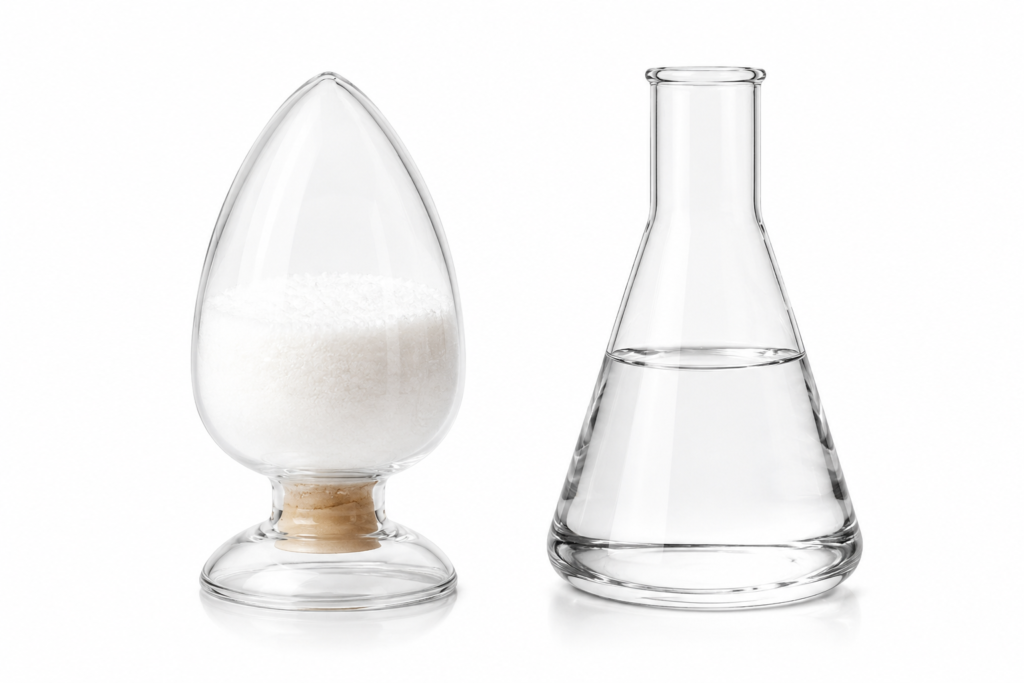
Polycarboxylate Superplasticizer (PCE) is a third-generation, high-performance concrete water reducer synthesized from copolymerized carboxylic acid monomers. Featuring a unique comb-like molecular structure, PCE operates through a powerful steric hindrance effect to disperse cement particles, achieving a water-reducing rate exceeding 25%–40% at ultra-low dosages (typically 1.0%). Modern construction engineering choices PCE as its top solution because it drastically boosts concrete compressive strength and durability, prevents slump loss during long-distance ready-mix transport, and supports sustainable, low-carbon building certification.
What is the main difference between Naphthalene and Polycarboxylate Superplasticizer?
When upgrading a concrete admixture factory or optimizing a mix design, engineers often compare older technologies with modern alternatives. The primary difference between naphthalene and polycarboxylate superplasticizer lies in their chemical composition and dispersion mechanism:
- Naphthalene Superplasticizer (SNF/PNS): This second-generation high range water reducer (HRWR) relies on electrostatic repulsion. While it offers a decent water reduction rate (15%–25%), it suffers from rapid concrete slump loss. This makes it less ideal for long-distance transit or hot-weather casting.
- Polycarboxylate Ether Water Reducer (PCE): As a third-generation high-performance water reducer, its comb-like molecular polymers utilize both electrostatic repulsion and advanced steric hindrance. This structure provides a significantly higher water reduction rate and exceptional slump retention without causing severe segregation.
How does a concrete water reducer improve workability and strength?
A premium concrete water reducer acts as a surface-active agent when mixed into the concrete matrix. In traditional mixtures, cement particles naturally agglomerate due to surface charges, trapping a significant portion of the mixing water.
When you introduce a water reducing admixture from a reliable water reducer supplier, the polymers adsorb onto the cement grains. By releasing the trapped water, it dramatically increases the fluidity of the slurry. Consequently, engineers can choose to either:
- Increase workability to create Self-Compacting Concrete (SCC) without adding extra water.
- Reduce the total water content while maintaining workability, which significantly yields a denser microstructure and higher compressive strength.
How to determine the correct PCE superplasticizer dosage in concrete?
Finding the optimal PCE superplasticizer dosage in concrete is critical for balancing performance and economy. While many manufacturers recommend an external addition rate of around 1.0% based on the total weight of cementitious materials, the exact dosage depends heavily on project parameters.
For everyday construction, a mid range water reducer or a standard water reducer for ready mix concrete might only require a dosage of 0.6% to 0.8%. However, formulating superplasticizer for high strength concrete (such as C60 or C80 grades) or producing specialized superplasticizer for UHPC (Ultra-High Performance Concrete) may require increasing the liquid dosage up to 1.2% or 1.5% to overcome the low water-binder ratio.
What are the different types of concrete superplasticizers for specialized engineering?
Modern infrastructure demands more than a one-size-fits-all solution. Depending on the downstream application scenario, a concrete superplasticizer manufacturer will modify the PCE molecular backbone to engineer distinct functional varieties:
- Slump Retention Superplasticizer: Specifically designed to keep concrete fresh during long hauls, preventing premature stiffening in hot climates.
- Early Strength Water Reducing Admixture: Accelerates early-stage hydration, allowing precast factories to fast-track formwork removal and speed up production cycles.
- Water Reducer for Mass Concrete: Incorporates retarding components to lower the peak exothermic heat of hydration, preventing thermal cracking in massive structures like dams and bridge piers.
- Admixture for Underwater Concrete: Formulated with anti-washout agents to ensure the concrete mix remains cohesive and cohesive when placed under water.
Bulk buy PCE liquid 50% vs. PCE powder: Which should your project select?
If you are looking to buy polycarboxylate superplasticizer or sourcing from a concrete admixture distributor, you must choose between two primary physical forms:
- PCE Liquid (50% Solid Content): This is the most common form utilized by a ready-mix concrete (RMC) plant located near industrial hubs. Buying bulk buy PCE liquid 50% is cost-effective because it integrates seamlessly into automated liquid metering systems at the batching plant.
- PCE Powder: For long-distance export or remote project sites, shipping liquid means paying high freight costs for water. In these scenarios, sourcing from a superplasticizer exporter China for PCE powder is highly advantageous. It is widely used in dry mix mortar water reducer applications and can be easily re-diluted on-site.
Technical Specifications & Global Trade Compliance
To ensure a smooth importing process and maintain absolute quality control, procurement managers must evaluate chemical and customs compliance metrics. Below is a breakdown of the standard quality thresholds required for international engineering procurement:
| Technical Metric | Standard Requirement (GB8076 / ASTM C494) | Typical Premium Result |
| Water Reduction Rate | >= 25% | 27% – 35% |
| 1-Hour Slump Variation | <= 80 mm | 30 mm |
| Air Content | <= 6.0% | 5.0% |
| Compressive Strength Ratio (28d) | >= 130% | 140% – 170% |
When clearing customs for international bulk shipping, remember to classify the product under the correct Harmonized System code: Polycarboxylate ether HS code (Typically registered under 3824401000 or 3906909000 depending on the specific polymer formulation) to verify import tariffs and local tax compliance.