
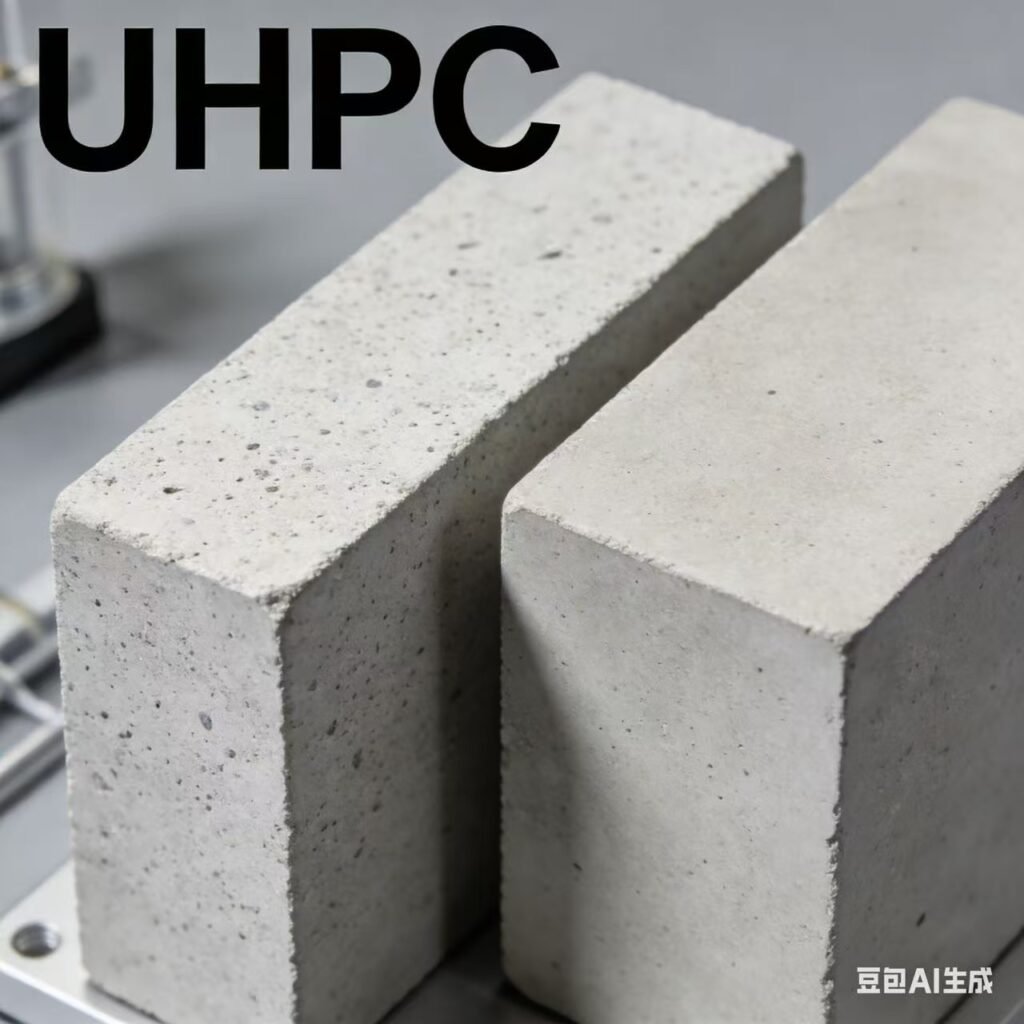
When you look at a massive concrete dam or a skyscraper, it appears indestructible. You likely view concrete as the ultimate symbol of permanence. However, from the perspective of a materials engineer, concrete is a chemical system in a constant state of struggle with its environment.
To protect your investment and ensure structural safety, you must recognize that concrete has several “mortal enemies.” These are not always dramatic events like earthquakes; more often, they are microscopic, slow-moving chemical reactions and physical processes that dismantle the material from the inside out.
In this comprehensive guide, you will learn to identify these enemies, understand the science of their attack, and implement the necessary defenses to preserve your structures for the next century.
1. The Primary Enemy: Water (The Universal Solvent)
It is a paradox of civil engineering: you cannot create concrete without water, yet water is the single greatest threat to its long-term survival. Water acts as the “transportation system” for almost every other enemy on this list.
Hydrostatic Pressure and Permeability
If your concrete is porous, water will find a way in. When water penetrates the surface under pressure, it can lead to:
- Leaching: Water dissolves the calcium hydroxide in the cement paste, carrying it to the surface as white, powdery deposits known as efflorescence. This leaves the internal structure “honeycombed” and weak.
- Internal Pressure: In hydraulic structures, water forced into pores can create internal stresses that lead to micro-cracking.
The Freeze-Thaw Cycle
If you operate in cold climates, water becomes a physical weapon. When water trapped inside concrete pores freezes, it expands by approximately 9%.
- The Fact: This expansion generates internal hydraulic pressure that exceeds the tensile strength of the concrete.
- The Result: You will see “scaling” (the surface flaking off) or “spalling” (large chunks breaking away). Without air-entrainment admixtures to provide “expansion rooms,” your concrete will disintegrate within a few seasons.
2. The Internal Enemy: Chloride Contamination (The Rebar Killer)
If you are building bridge decks or marine piers, chlorides are your most lethal enemy. Chlorides do not attack the concrete itself; they attack the steel reinforcement (rebar) hidden inside.
The Mechanism of Corrosion
Concrete is naturally alkaline (high pH), which creates a “passivity layer” around steel, preventing rust. Chlorides—from sea spray or de-icing salts—penetrate the concrete and destroy this protective layer.
- The “Rust Wedge”: When steel rusts, the oxidation product occupies 3 to 6 times the volume of the original steel.
- The Fact: This massive internal expansion cracks the concrete from the inside out. By the time you see a rust stain on the surface, the structural integrity has already been significantly compromised.
3. The Chemical Enemy: Sulfates and Acid Attack
You must be particularly vigilant if your project involves sewer systems, industrial flooring, or foundations in “hot” (high-sulfate) soils.
Sulfate Attack
Sulfates react with the hydrated compounds in the cement paste to form ettringite.
- The Science: The growth of ettringite crystals causes massive internal expansion. Unlike a surface crack, a sulfate attack often turns the concrete into a soft, crumbly paste that has lost all load-bearing capacity.
- The Fact: Using Type V (Sulfate Resistant) cement is your primary line of defense in these environments.
Acid Precipitation and Carbonation
Concrete is a base, and acids are its natural chemical opposite.
- Acid Rain: Slowly dissolves the cementitious matrix.
- Carbonation: Carbon dioxide from the air penetrates the pores and lowers the pH of the concrete. While this doesn’t weaken the concrete matrix directly, it “prepares the ground” for rebar corrosion by destroying the alkaline environment.
4. The Structural Enemy: Alkali-Aggregate Reaction (AAR)
Sometimes, the enemy is already inside the mix. You might hear this referred to as “Concrete Cancer.”
Alkali-Silica Reaction (ASR)
This occurs when the alkalis in the cement react with certain types of silica found in the sand or stone (aggregates) you used.
- The “Gel” Factor: The reaction creates a silica gel that absorbs water and swells.
- The Visual Warning: You will see “map cracking”—a distinct web-like pattern of cracks—across the surface of the structure.
- The Fact: Once ASR starts, it is nearly impossible to stop. Your only defense is to test your aggregates for reactivity before the pour and use supplementary cementitious materials (SCMs) like fly ash or slag.
5. The Management Enemy: Poor Workmanship and “Hot” Weather
Not every enemy is a chemical. Human error and environmental conditions during the “golden hour” of pouring can create permanent weaknesses.
- Excessive Water Addition: Adding extra water on-site to make the concrete “easier to pour” is a fatal mistake. For every gallon of unnecessary water added, you significantly increase the permeability and decrease the final strength.
- Improper Curing: If you allow the surface to dry too quickly in the sun or wind, the hydration process stops. This leads to plastic shrinkage cracks—fine cracks that appear before the concrete has even hardened.
FAQ: Defending Your Concrete
Q: Is “sealed” concrete immune to these enemies? A: No. Sealers are a temporary surface barrier. They help repel water and chlorides, but they require re-application every 3–5 years. They do not stop internal enemies like ASR or sulfate attack.
Q: Can I stop rebar corrosion once it has started? A: You can slow it down using cathodic protection (applying a small electrical current to the steel) or migratory corrosion inhibitors, but repairing the damaged concrete is usually required to restore structural capacity.
Q: What is the best way to prevent freeze-thaw damage? A: You must specify air-entrained concrete. This involves adding a chemical that creates billions of microscopic bubbles in the mix, giving freezing water a place to expand without breaking the concrete matrix.
Conclusion: Eternal Vigilance
The “enemy” of concrete is rarely a single factor. Usually, it is a combination: water carries chlorides into the pores, which leads to rust, which creates cracks, which allows more water in to freeze.
To build a structure that lasts, you must design with redundancy. This means using low-permeability mixes (like UHPC), ensuring proper cover over your rebar, and maintaining a strict curing regimen. Concrete is a masterpiece of chemistry—treat it with the respect its complexity deserves.
Call to Action (CAT)
Is Your Concrete Under Attack?
Don’t wait for cracks to appear before taking action. Whether you are dealing with salt-exposed bridge decks or industrial foundations, early diagnosis is the key to longevity.
[Request a Professional Concrete Durability Audit] | [Download our Protective Coatings Guide]
[Contact our Materials Specialists Today] | Protect your infrastructure. Secure your legacy