

Choosing grout color for wood-look tile ultimately comes down to making the grout lines visually disappear by matching the dominant or darkest tone of the plank. To achieve an authentic hardwood illusion, experts recommend using rectified tiles with ultra-narrow (1/16″ to 1/8″) grout joints. Furthermore, laying the planks at a maximum 33% offset is critical to prevent uneven edges and lippage, ensuring a perfectly flat, seamless floor.
The Artistic and Functional Role of Grout in Wood-Look Tile
Grout serves a vital structural purpose in any flooring project, locking tiles into place, accommodating microscopic movements in the subfloor, and preventing moisture from seeping beneath the surface. However, when working with wood-look porcelain or ceramic, grout takes on an equally important artistic role. The ultimate goal of this specific material is to mimic the continuous, organic flow of natural hardwood floors, which traditionally do not have highly visible joints between planks.
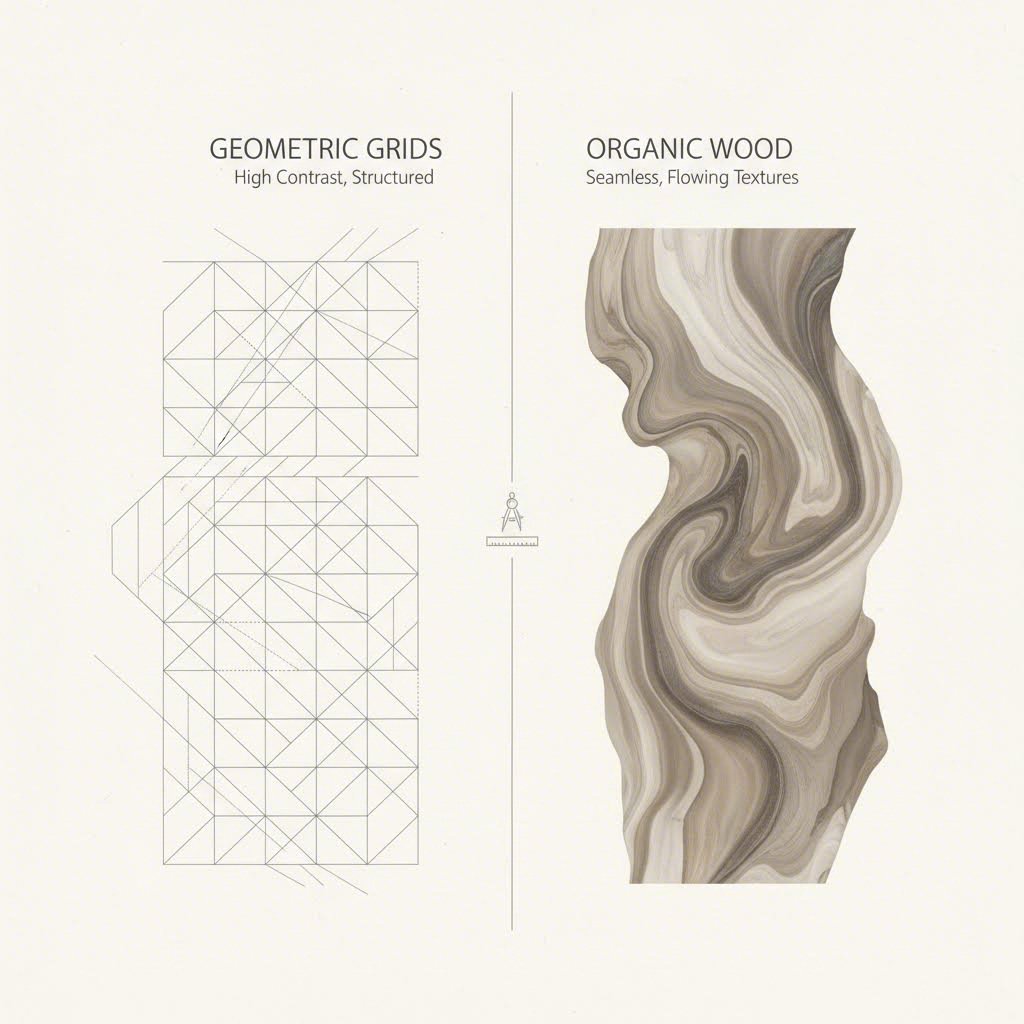
This unique aesthetic requirement places homeowners and designers squarely in the middle of the “seamless versus contrasting” debate. In standard tile installations, contrasting grout is often used to highlight geometric shapes or intricate laying patterns. But with wood-look planks, high contrast can instantly shatter the illusion of real wood, drawing the eye to the rigid grid of the installation rather than the beautiful grain of the tile itself. For this reason, blending the grout color to match the tile is considered the industry standard for achieving an authentic hardwood appearance.
To execute this seamless blend effectively, you must carefully evaluate the specific tones within your chosen tile. For example, pairing a warm honey oak finish with a soft beige grout preserves the sunny, cohesive warmth of the floor. Similarly, a walnut-inspired plank pairs beautifully with a deep taupe or mocha grout. Conversely, if you are intentionally creating a highly stylized space—such as a modern herringbone pattern using light ash wood-look tiles—a slightly darker charcoal grout can be used to emphasize the architectural layout.
Before committing to a direction, it is crucial to assess the room’s natural and artificial lighting, as well as the overarching design style. According to design experts at Edward Martin, neutral grouts like beige, taupe, and soft greys remain timeless options that complement the organic character of the tile without competing for attention. Lighter grout colors can help maintain an airy, open feel in smaller or dimly lit rooms, while medium-to-dark tones provide grounding definition in expansive spaces. Ultimately, the decision between blending and contrasting will dictate the entire vibe of the room.
- Pros of Matching Grout: Creates a highly realistic hardwood illusion, visually expands the space by removing grid lines, and keeps the focus on the tile’s wood grain texture.
- Cons of Matching Grout: Requires precise color selection and may show dirt more easily if a very light tone is chosen.
- Pros of Contrasting Grout: Highlights intricate laying patterns (like herringbone or chevron) and adds architectural structure to modern designs.
- Cons of Contrasting Grout: Diminishes the natural wood effect, emphasizes any minor installation errors or uneven spacing, and can make a room feel visually cluttered.
Mastering Color Selection: Rules for Uniform and High-Variation Tiles
When you begin the process of selecting the exact shade, the primary rule of thumb is to match the dominant tone of the tile. This strategy works flawlessly for uniform wood-look tiles that feature consistent coloring across every plank. By mirroring the primary background color—whether it is a cool gray, a warm chestnut, or a pale blonde—you ensure that the grout visually recedes, allowing the simulated wood grain to take center stage without interruption.
However, the rules shift dramatically when dealing with reclaimed or high-variation tile styles. These popular designs mimic the look of aged, weathered, or multi-toned barn wood, presenting a complex mix of lights, darks, and mid-tones within a single installation. According to experts at Daltile, the secret to grouting high-variation wood-look tile is to match the darkest color present in the planks. This approach is highly strategic: grout naturally darkens over time as it absorbs traffic, dirt, and cleaning solutions. By starting with a darker shade, you preemptively hide future wear and tear while simultaneously grounding the varied tones of the floor.
Maintenance realities should heavily influence your final color decision. While light grout might perfectly match a pale maple tile, it requires rigorous, ongoing cleaning to prevent discoloration in high-traffic areas like kitchens, entryways, and hallways. Darker grouts are inherently more forgiving, concealing dust and watermarks effectively. If you are torn between two shades that both complement your tile, leaning toward the slightly darker option is generally the safer, lower-maintenance choice for busy households.
To guarantee a perfect match, never rely solely on paper color swatches or digital images, as these rarely represent how the material will look once mixed and dried. Instead, purchase small bags of your top two or three grout choices. Create a physical mock-up by taping a few spare tiles to a piece of cardboard and applying the different grouts between them. Place this mock-up in the actual room where the tile will be installed, observing how the colors shift under the room’s specific natural daylight and artificial evening lighting.
| Tile Style & Undertone | Recommended Grout Strategy | Best Application |
|---|---|---|
| Uniform Warm (Honey Oak, Chestnut) | Match the dominant warm beige or soft brown. | Traditional living spaces, cozy bedrooms. |
| Uniform Cool (Ash Gray, Driftwood) | Match the dominant cool gray or soft silver. | Modern kitchens, minimalist bathrooms. |
| High-Variation (Reclaimed, Barnwood) | Match the darkest tone found in the tile grain. | Rustic living rooms, high-traffic entryways. |
| Geometric Patterns (Herringbone) | Use a slightly contrasting shade (e.g., charcoal on light tile). | Foyers, accent walls, stylized bathrooms. |
Grout Line Width and Tile Types: The Secret to Authenticity
The aesthetic success of a wood-look floor relies just as heavily on the physical width of the grout joints as it does on the color. To convincingly replicate natural hardwood, the gaps between the planks must be as narrow as structurally possible. Industry guidelines generally recommend a joint size between 1/16 of an inch and 3/16 of an inch for wood-look installations. Anything wider than 3/16 of an inch will immediately look like traditional ceramic tile, destroying the illusion of seamless wood flooring.
Achieving these ultra-narrow joints requires purchasing the correct type of tile. As noted by Coverings Canada, rectified tiles are an absolute necessity for the smallest possible grout lines. Rectified tiles undergo an additional manufacturing step where their edges are precisely mechanically cut or ground down after firing. This creates exact, uniform, 90-degree edges that allow the tiles to be pushed tightly together. Non-rectified tiles, by contrast, have slightly baked, uneven edges that require wider grout lines (typically 3/16″ or larger) to hide the size variations from tile to tile.
The width of your chosen joint will directly dictate the type of grout material you must use. The general rule of tile chemistry is that unsanded grout should be used for any joints smaller than 1/8 of an inch. According to guidance from Apollo Tile, the smooth texture of unsanded grout allows it to easily pack into micro-joints without scratching the surface of delicate tiles. However, if your joints are exactly 1/8 of an inch or larger, sanded grout becomes mandatory. The fine sand particles suspended in the mixture provide structural strength, preventing the grout from shrinking, cracking, or pulling away from the tile edges as it cures.
For DIYers and professionals alike, executing this precision requires the right tools and planning. Always use high-quality tile spacers to maintain a consistent gap across the entire floor, as even a millimeter of deviation becomes glaringly obvious in long plank layouts. Furthermore, always check the tile manufacturer’s specific recommendations on the box, as some brands require a slightly different minimum joint size depending on the specific layout pattern you choose.
- Verify Tile Edges: Confirm you are purchasing “rectified” wood-look tile to enable micro-joints.
- Select Joint Size: Aim for 1/16″ to 1/8″ for the most authentic hardwood appearance.
- Choose Grout Material: Purchase unsanded grout for joints under 1/8″, or sanded grout for joints 1/8″ and wider.
- Consider the Environment: Upgrade to epoxy grout for high-moisture areas like bathrooms to prevent water damage and staining.
- Use Leveling Spacers: Invest in a specialized tile leveling system to maintain consistent spacing and perfectly flat edges.
Layout Planning: Preventing Lippage for a Flawless Finish
Even with the perfect color and the ideal joint width, a wood-look tile floor can be ruined by improper layout planning. The most common and catastrophic issue encountered with plank tiles is “lippage.” The Tile Council of North America defines lippage as a condition where one edge of a tile is higher or lower than the adjacent tile, creating an uneven, stepped surface. Not only does lippage ruin the smooth aesthetic of the floor, casting unsightly shadows under the room’s lighting, but it also creates a genuine tripping hazard.
Lippage is particularly problematic with wood-look tile because of the physics of tile manufacturing. During the kiln firing process, long rectangular tiles (anything over 15 inches in length) naturally develop a slight bow or crown in the center. Because the center of the plank sits slightly higher than the ends, aligning the tiles incorrectly will immediately expose this height difference.
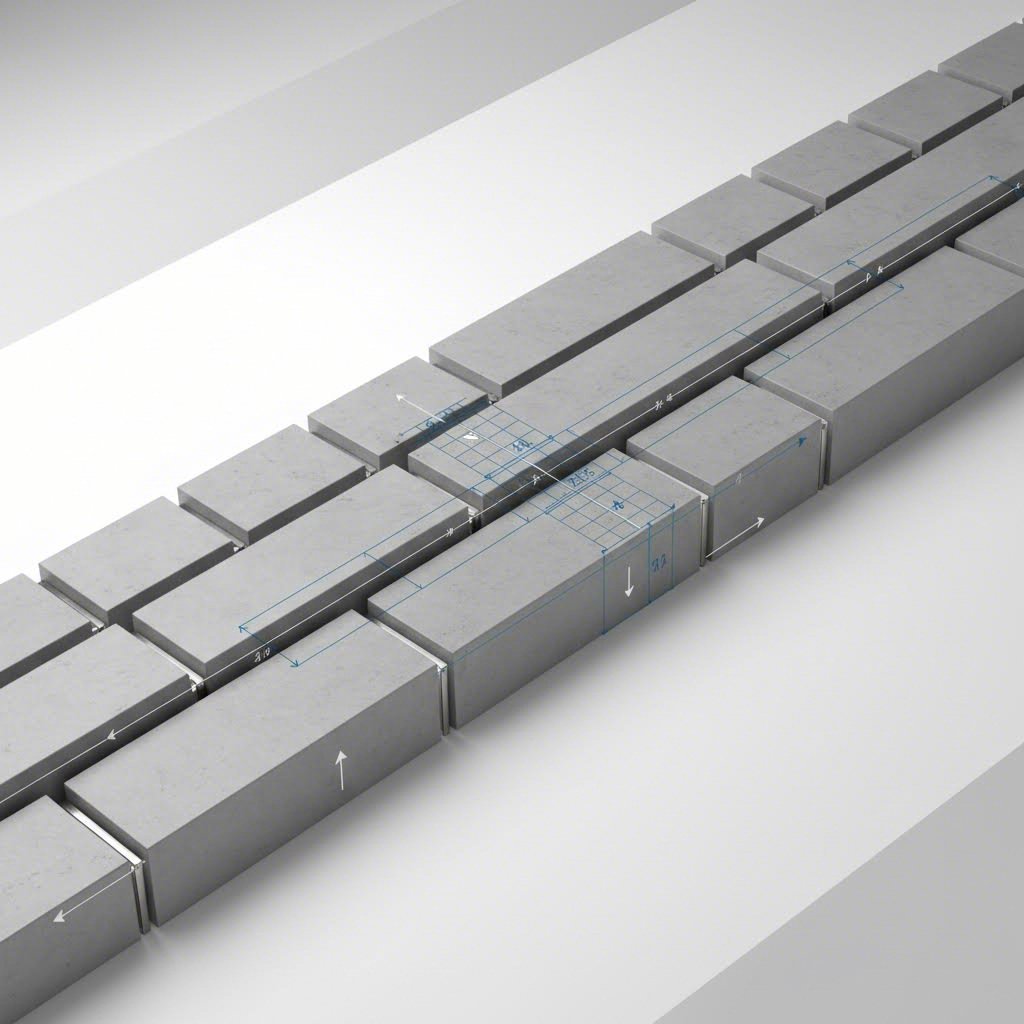
This bowing is exactly why you can never install wood-look tile using a traditional 50 percent brick-joint pattern (where the end of one tile aligns perfectly with the center of the tile next to it). If you use a 50 percent stagger, you are intentionally placing the lowest point of one tile directly next to the highest point of the adjacent tile, guaranteeing severe lippage. To combat this, the Ceramic Tile Education Foundation points to ANSI specifications which mandate a maximum 33 percent offset (a 1/3 stagger) for any tile longer than 15 inches.
Implementing a 33 percent offset is straightforward but requires careful measurement before mixing any thinset. In this layout, each successive row of tile is shifted by no more than one-third the length of the plank. For example, if you are using 36-inch long tiles, the joints in the next row should be offset by a maximum of 12 inches. This layout minimizes the height variations between the bowed centers and the flat ends, resulting in a smooth, safe floor.
To further ensure a flawless finish, professional installers highly recommend using a mechanical tile leveling system. These systems use specialized clips and wedges that pull adjacent tiles into perfect vertical alignment while the mortar cures. Combined with the 33 percent offset rule and a high-quality modified thinset, a leveling system is the ultimate insurance policy against lippage, ensuring your wood-look floor feels just as flat and luxurious as real hardwood.
Conclusion: Achieving the Perfect Hardwood Illusion
Successfully navigating the nuances of wood-look tile installation requires balancing aesthetic desires with technical requirements. By treating the grout not merely as a functional binder, but as a critical design element, you can elevate a standard tile job into a stunning architectural feature. The secret lies in the details: prioritizing seamless color integration, minimizing joint widths, and respecting the physical limitations of the materials.
Remember that the most convincing hardwood illusions are born from careful preparation. Taking the time to create physical color mock-ups in your specific lighting conditions will save you from decades of visual regret. Similarly, investing in rectified tiles and strictly adhering to the 33 percent offset rule will protect your floor from the aesthetic and functional disaster of lippage.
Ultimately, choosing the right grout color and applying the correct installation techniques will result in a floor that offers the best of both worlds. You will enjoy the timeless, organic warmth of natural wood, paired flawlessly with the unmatched durability, water resistance, and low maintenance of premium porcelain tile.
Frequently Asked Questions
1. Should grout be lighter or darker than wood look tile?
For a seamless hardwood appearance, your grout should ideally match the dominant tone of the tile. However, if an exact match isn’t possible, it is generally better to choose a grout that is slightly darker rather than lighter. Darker grout naturally hides dirt and mimics the subtle shadowing found between real wood planks, whereas lighter grout can highlight the grid pattern and requires more maintenance.
2. What size grout line is best for wood look tile?
The best grout line size for wood-look tile is between 1/16 of an inch and 1/8 of an inch. Ultra-narrow joints are crucial for creating a realistic wood floor illusion. However, to achieve a 1/16-inch joint, you must use “rectified” tiles, which have precisely cut edges. Non-rectified tiles typically require a slightly wider 3/16-inch joint to accommodate manufacturing variations.
3. Do you use sanded or unsanded grout for wood look tile?
The choice between sanded and unsanded grout depends entirely on the width of your grout joints. If your joints are smaller than 1/8 of an inch (such as a 1/16-inch micro-joint), you must use unsanded grout to easily fill the narrow gaps without scratching the tile. If your joints are exactly 1/8 of an inch or wider, sanded grout is required to provide structural strength and prevent shrinkage.
4. How do you prevent lippage with wood look tile?
To prevent lippage—the uneven, raised edges between adjacent tiles—you must avoid laying the planks in a 50 percent brick pattern. Because long tiles naturally bow in the middle during manufacturing, you should use a maximum 33 percent offset. Additionally, using a mechanical tile leveling system (clips and wedges) during installation will help pull the tiles perfectly flat while the mortar cures.
5. What is the best offset pattern for wood look tile?
The industry standard and best practice for wood-look tile is a 33 percent (or 1/3) offset pattern. This means the end of one tile aligns with the one-third mark of the tile next to it. This specific layout minimizes the height differences caused by the natural bowing of long planks, ensuring a flat floor while still providing a random, natural-looking wood grain stagger.