
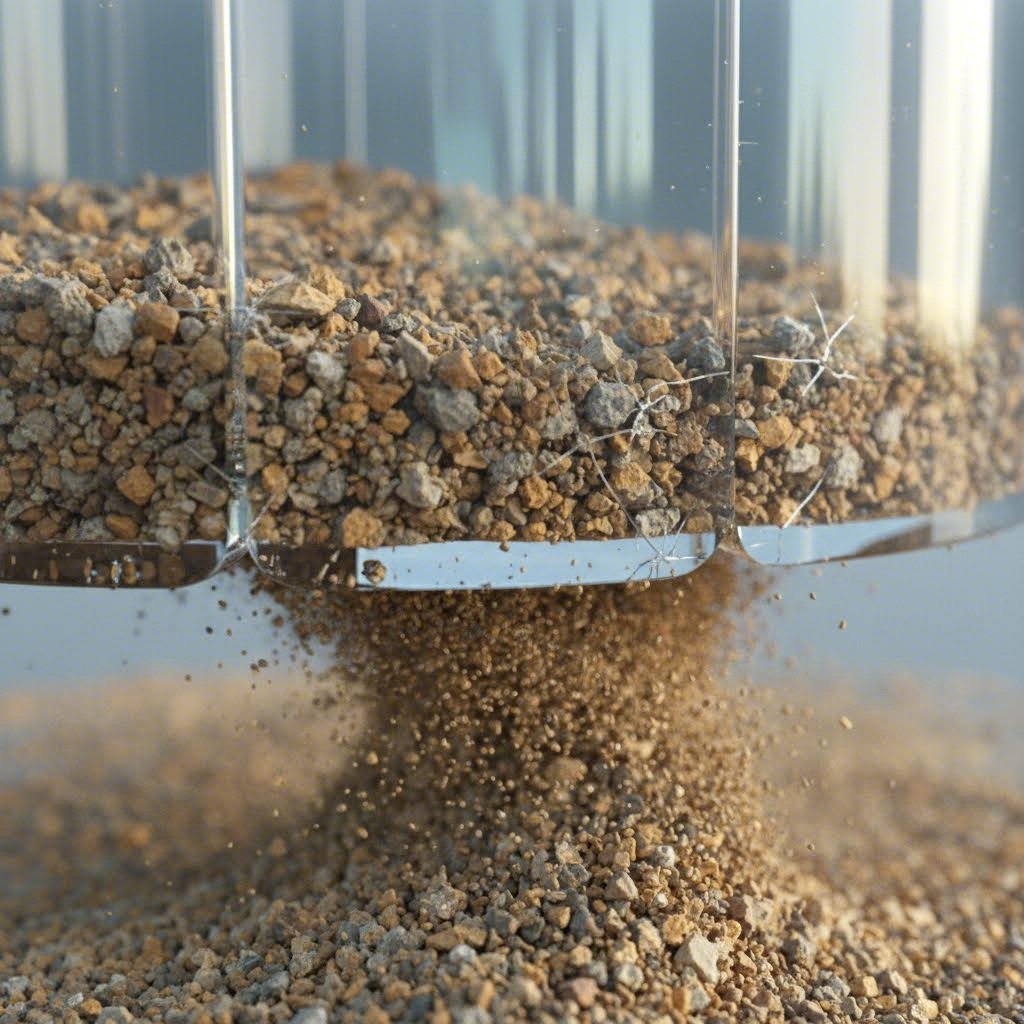
You should never use sanded grout for glass tile installations because the coarse silica sand acts as an abrasive that will permanently scratch and dull the delicate glass surface. For standard glass mosaic joints under 1/8 inch, unsanded cementitious grout is the safest traditional choice to prevent surface damage. If your project features wider joints or is located in a high-moisture area like a shower or pool, upgrading to a premium epoxy grout provides maximum structural durability without the risk of scratching.
Why Sanded Grout and Glass Tile Don’t Mix (The Scratch Risk)
The intersection of beautiful building materials and incorrect installation methods often leads to expensive disasters. When it comes to delicate, light-reflecting surfaces, the mechanical conflict between the aggregate and the finish is severe. The fundamental rule of thumb in masonry and tile setting is that abrasive materials will always win against polished finishes.
Sanded grout is formulated with fine silica sand or quartz aggregate mixed into the Portland cement base. This heavy aggregate is intentionally added to provide structural integrity, prevent shrinkage, and lock heavy tiles into place across wide gaps. It is an incredibly durable building material designed for tough porcelain, ceramic, and natural stone floors that can withstand heavy foot traffic and abrasion.
However, glass tile possesses a relatively soft, highly polished surface that relies on flawless smoothness to refract light. During the installation process, a contractor must use a rubber float to forcefully press the grout mixture deep into the joints. Following this, a damp sponge is repeatedly wiped across the entire face of the tile to remove the excess cement haze.
If there is sand suspended in that mixture, this standard application process effectively turns the grout into liquid sandpaper. The silica sand gets trapped beneath the float and the sponge, grinding directly into the glossy finish. As noted by home repair professionals at Mr. Handyman, these abrasive particles will create permanent micro-scratches across the entire installation, entirely ruining the aesthetic value of the backsplash or shower wall.
The aesthetic consequences are immediate and irreversible. The scratches trap dirt and soap scum, causing the once-luminous glass to look permanently cloudy, dull, and worn. If a contractor has already made this error, the only true remedy is entirely removing the damaged tile and starting over, as the glass surface cannot be polished back to its original factory shine once deeply scored by silica sand.
- Loss of Luster: The glossy, reflective surface becomes hazy and matte in appearance.
- Visible Swirl Marks: Circular micro-scratches appear under direct lighting from the sponging process.
- Trapped Debris: The newly textured, scratched surface grabs onto grease and dirt much faster than smooth glass.
- Altered Color Depth: The translucent depth of the glass is obscured by the surface damage, making vibrant colors look muted.
Unsanded Grout: The Standard Choice for Narrow Joints
To protect the integrity of delicate surfaces, the industry standard alternative is unsanded cementitious grout. This material is formulated using Portland cement, powdered pigments, and water-retaining polymers, completely omitting the coarse silica sand. The result is a smooth, paste-like consistency that is entirely safe for highly polished and scratch-sensitive materials.
As explained by the restoration experts at Revive Tile & Grout, the fundamental difference between the two products dictates their specific use cases. Because unsanded grout lacks the bulky aggregate that provides structural volume, it is strictly limited to narrow applications. It flows easily into tight spaces, making it the perfect companion for the intricate layouts typical of modern mosaics.
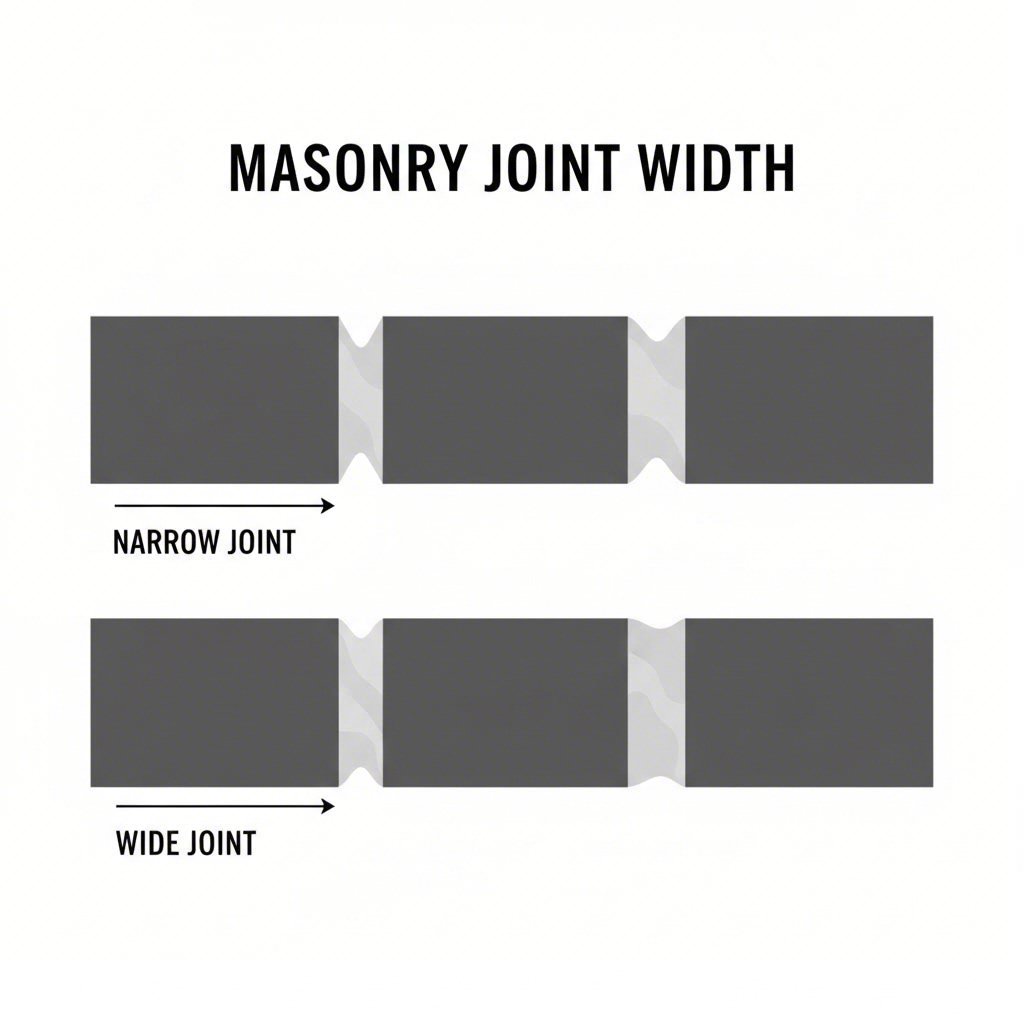
The golden rule for unsanded grout is the 1/8-inch threshold. It performs flawlessly in joints ranging from 1/16 inch to exactly 1/8 inch wide. In these narrow confines, the cement cures properly without needing sand to hold its shape. Since most glass mosaic sheets are manufactured with 1/16-inch or 1/8-inch spacing, unsanded grout naturally aligns with the vast majority of residential glass tile projects.
While it protects the glass from scratches, unsanded grout does come with inherent trade-offs. It is generally easier to mix and apply, especially on vertical surfaces like shower walls and kitchen backsplashes, because its sticky consistency prevents it from slumping. However, because it is highly porous, it is incredibly susceptible to staining, mold, and moisture penetration if left untreated.
Proper application requires specific techniques to ensure a pristine finish. Installers should always use a soft, non-marring rubber float to press the material into the narrow joints. The resulting haze must be cleaned promptly with a lightly damp sponge, as allowing cement to fully harden on glass makes removal difficult. Furthermore, homeowners must commit to applying a high-quality penetrating sealer after a 72-hour curing period to protect the porous joints from discoloration.
| Feature | Sanded Grout | Unsanded Grout |
|---|---|---|
| Aggregate Type | Silica sand or quartz | None (smooth polymers) |
| Safe for Glass Tile? | No (causes severe scratching) | Yes (smooth and non-abrasive) |
| Ideal Joint Width | 1/8 inch to 1/2 inch | 1/16 inch to 1/8 inch |
| Shrinkage Risk | Low (sand provides structure) | High (if used in wide joints) |
| Sealing Required? | Yes (highly porous) | Yes (highly porous) |
The Premium Solution: Epoxy and Translucent Glass Grouts
While unsanded cement is the traditional choice, the ultimate premium solution for glass tile is epoxy grout. Unlike cementitious products that rely on water evaporation to cure, epoxy is a two-part or three-part chemical system consisting of epoxy resins and a hardener. This creates a chemical reaction that results in an incredibly dense, non-porous, and permanent joint filler.
The chemical composition of epoxy makes it vastly superior for wet areas like steam showers, submerged swimming pools, and busy kitchen backsplashes. It is inherently waterproof, highly stain-resistant, and immune to the mold and mildew issues that plague traditional cement. More importantly for glass installations, high-end epoxy grouts do not rely on abrasive silica sand for their structural strength.
Innovation in this space has led to products specifically engineered to enhance the beauty of translucent materials. According to specialty distributors like The Tile Doctor, advanced products such as Litokol Starlike Crystal Glass Grout utilize tiny, hollow glass beads instead of opaque sand. These microscopic beads refract light, allowing the grout to take on the color characteristics of the surrounding tile and creating a seamless, luminous finish.
The transition from cement to epoxy does involve a steeper learning curve and higher upfront costs. Epoxy materials are significantly more expensive per bucket than traditional bags of cement grout. Additionally, the installation process requires meticulous attention to detail, as the chemical mixture has a strictly limited pot life before it hardens into an immovable plastic-like state.
Because epoxy sets so rapidly and tenaciously, the application process must be highly controlled. Installers must work in small, manageable sections, pressing the resin into the joints and immediately cleaning the glass surface. If epoxy haze is allowed to cure on the face of a glass tile, it requires harsh chemical strippers to remove, which can complicate the finishing process.
- Mix in Small Batches: Only combine as much resin and hardener as you can apply within 30 to 45 minutes to avoid the material setting in the bucket.
- Apply with an Epoxy Float: Use a specialized, hard rubber epoxy float to aggressively pack the dense material into the glass tile joints.
- Perform the Initial Wash: Immediately wipe the surface with a wet sponge and a specialized epoxy wash additive to break down the sticky resin haze.
- Execute the Final Polish: Use a white nylon scrub pad (which will not scratch glass) and clean water to remove any remaining chemical residue before it cures.
The Wide Joint Dilemma: Grouting Glass Tile Gaps Over 1/8″
A significant technical challenge arises when a design calls for large format glass tiles or artistic mosaics featuring joints wider than 1/8 inch. This creates a structural paradox for the installer: the wide gap technically requires the strength of a sanded product, but the delicate glass surface absolutely forbids the use of abrasive aggregates.
Attempting to use standard unsanded grout in these wider gaps will inevitably lead to failure. As highlighted by industry guidance from Pebble Tile Shop, unsanded grout is highly prone to shrinkage as the water evaporates during the curing process. In a wide joint, this shrinkage causes the material to slump, crack, and pull away from the edges of the tile, compromising both the waterproofing and the aesthetic integrity of the wall.
This dilemma is particularly common in custom architectural installations, such as thick cast glass blocks or hand-cut artisanal tiles that inherently possess irregular, wide spacing. Forcing unsanded cement into a 3/16-inch or 1/4-inch gap will result in a sunken, structurally weak joint that will quickly deteriorate under normal household use or thermal expansion.
The most reliable solution to this wide joint dilemma is, once again, premium epoxy grout. Because epoxy cures through a chemical reaction rather than water evaporation, it experiences zero shrinkage regardless of how wide the joint is. It can bridge a 1/4-inch gap between delicate glass tiles with absolute structural stability while remaining completely free of abrasive sand.
If budget constraints make epoxy impossible, the only alternative is seeking out highly modified, premium polymer unsanded grouts specifically engineered for wider joints. These advanced formulas contain specialized synthetic additives that reduce shrinkage, allowing them to stretch slightly beyond the standard 1/8-inch limit. However, these must be packed carefully into the joints and allowed to cure slowly to prevent cracking.
Pros of Using Epoxy for Wide Glass Joints
- Completely eliminates the risk of shrinkage and cracking in wide gaps.
- Provides structural rigidity without relying on abrasive silica sand.
- Offers superior waterproofing for wide joints in wet environments.
Cons of Using Epoxy for Wide Glass Joints
- Significantly higher material costs compared to cementitious options.
- Requires rapid, highly skilled application before the resin hardens.
- Mistakes are exceptionally difficult to correct once the chemical cure completes.
Protecting Your Glass Tile Investment
The decision of which grout to use is just as critical as the selection of the tile itself. Glass tile represents a significant financial investment in your home’s aesthetic, offering unparalleled beauty, luminescence, and modern appeal. Compromising that investment by using the wrong setting materials is a completely avoidable tragedy.
By strictly avoiding sanded grout, you eliminate the primary risk of mechanically damaging the glossy finish during installation. Understanding the limitations of your materials empowers you to make the right structural choices, whether that means utilizing standard unsanded cement for tight mosaic sheets or upgrading to advanced epoxy resins for demanding environments.
Ultimately, the longevity and brilliance of your installation depend on pairing the right grout with the specific joint width and environmental conditions of your space. When in doubt, consulting with a specialized tile professional and opting for high-performance, non-abrasive materials will ensure your glass surfaces remain pristine and captivating for decades to come.
Frequently Asked Questions
1. Can you use sanded grout on glass tile?
No, you should never use sanded grout on glass tile. The silica sand aggregate in the grout acts as a harsh abrasive that will permanently scratch, dull, and damage the delicate glossy surface of the glass during the application and cleaning process.
2. What is the best grout for glass tile?
The best overall grout for glass tile is a premium epoxy resin grout, particularly translucent varieties made with hollow glass beads. Epoxy is waterproof, stain-proof, requires no sealing, and will not scratch the glass. For a more budget-friendly traditional option, unsanded cementitious grout is the standard recommendation for narrow joints.
3. Will sanded grout scratch glass mosaic tiles?
Yes, sanded grout will easily scratch glass mosaic tiles. When the grout is pushed into the joints with a float and wiped with a sponge, the heavy sand particles are ground directly into the glass, leaving behind irreversible micro-scratches that ruin the tile’s ability to reflect light.
4. What happens if you use unsanded grout in wide joints?
If you use unsanded grout in joints wider than 1/8 inch, the material will shrink significantly as the water evaporates during the curing process. This shrinkage causes the grout to slump, crack, and pull away from the edges of the tile, leading to structural failure and moisture intrusion.
5. Do you need to seal grout on glass tile backsplashes?
If you use traditional unsanded cementitious grout, you absolutely must apply a penetrating sealer after the grout has fully cured (typically 72 hours). Cement grout is highly porous and will absorb stains from cooking splatters. If you use epoxy grout, no sealing is required because the material is naturally non-porous and waterproof.