
 BLOG
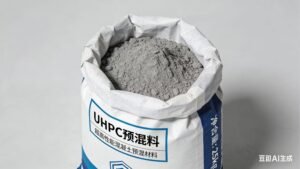
BLOG Learning how to make ultra high performance concrete (UHPC) requires completely rethinking traditional mixing methods. The process involves combining Portland cement, highly reactive silica fume, fine quartz sand, polycarboxylate superplasticizers,
 BLOG
BLOG In the wind power industry’s pursuit of higher generation efficiency and greater environmental resilience, a critical question looms large: how to build taller and more robust wind turbine towers to
 BLOG
BLOG Choosing grout color for wood-look tile ultimately comes down to making the grout lines visually disappear by matching the dominant or darkest tone of the plank. To achieve an authentic
 BLOG
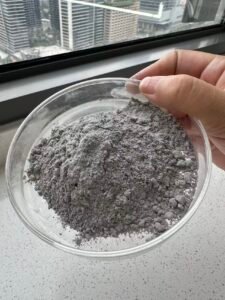
BLOG Learning how to seal grout involves applying a liquid protective coating to your porous grout lines to block moisture, prevent deep stains, and stop mold growth. The process requires thoroughly cleaning and
 BLOG
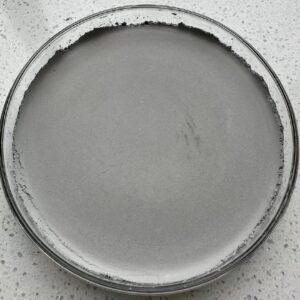
BLOG Travertine tile is a popular choice for floors, showers, backsplashes, patios, and feature walls because of its natural texture, warm color variation, and timeless appearance. However, choosing the right grout
High-performance grouting materials are critical components in modern construction, engineered to provide exceptional load-bearing capabilities and seamless structural connections. Unlike standard mortar, these specialized mixtures offer non-shrink properties, high early
 BLOG
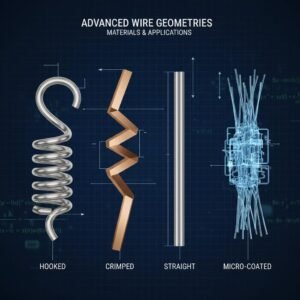
BLOG Steel fiber for concrete reinforcement involves adding short, discrete steel wires to a concrete mix to create a three-dimensional reinforcement network. This method significantly enhances the concrete’s tensile strength, ductility, and
 BLOG
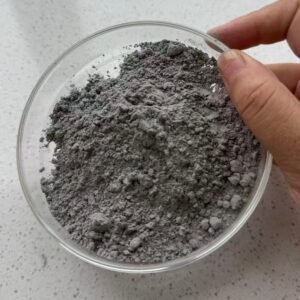
BLOG Cementitious grout is a traditional, highly versatile construction material composed of cement, water, and aggregates, primarily used to fill voids, reinforce structures, and seal gaps between tiles. Because it cures
 BLOG
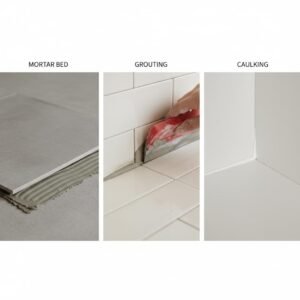
BLOG The material used to fill the spaces between tiles is primarily called grout. It locks the tiles in place, seals out moisture, and provides a finished aesthetic. However, for corners and
 BLOG
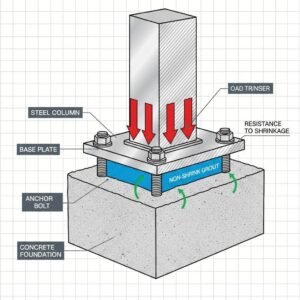
BLOG Non-shrink grouting material is a specialized hydraulic cement or epoxy-based compound engineered to offset the natural shrinkage that occurs during curing. Unlike standard tile grout, which is cosmetic, non-shrink grout is