
 BLOG
BLOG If you are preparing for a residential or light commercial concrete pour, you have likely stood in a hardware store aisle weighing the pros and cons of Welded Wire Reinforcement
 BLOG
BLOG What Are the Common Mistakes When Pouring Concrete? A Professional Guide to Avoiding Costly Failures
Concrete is often perceived as a “forgiving” material—mix it, pour it, and wait for it to harden. However, if you are responsible for a structural slab, a driveway, or an
 BLOG
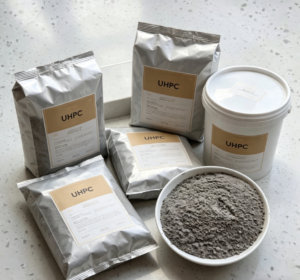
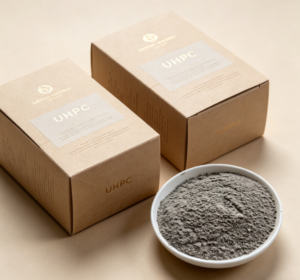
BLOG If you are evaluating materials for a high-stakes infrastructure project, a specialized architectural facade, or a critical bridge repair, you have likely encountered the term Ultra-High Performance Concrete (UHPC). You
BLOG If you are a contractor, developer, or structural engineer, Ordinary Portland Cement (OPC) is likely your default choice for high-strength requirements. It is the backbone of the modern skyline, favored
 BLOG
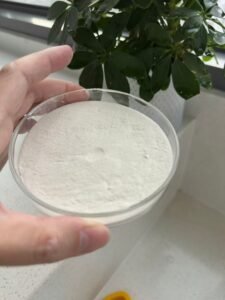
BLOG In the world of civil engineering and high-performance construction, Portland Pozzolana Cement (PPC) is often celebrated as the “smarter” alternative to standard cement. However, to specify it correctly in your
 BLOG
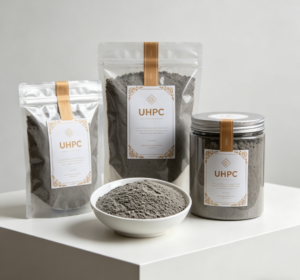
BLOG When you are selecting cement for a project—whether it is a personal residence or a large-scale infrastructure contract—the choice often boils down to Portland Pozzolana Cement (PPC). As a blended
BLOG In the construction industry, selecting the right cement is not merely a matter of strength; it is a matter of compatibility with your environment and the intended lifespan of your
 BLOG
BLOG If you have spent your career working with standard construction materials, you likely view concrete as a predictable mixture of water, cement, and stone. However, the emergence of Ultra-High Performance
 BLOG
BLOG If you are standing in a building materials warehouse or reviewing a structural specification sheet, you are likely facing a fundamental choice: Ordinary Portland Cement (OPC) or Portland Pozzolana Cement
 BLOG
BLOG The primary grout discoloration causes stem from the material’s highly porous nature, which acts like a microscopic sponge that absorbs moisture, dirt, and chemical residues over time. Common everyday culprits include mold